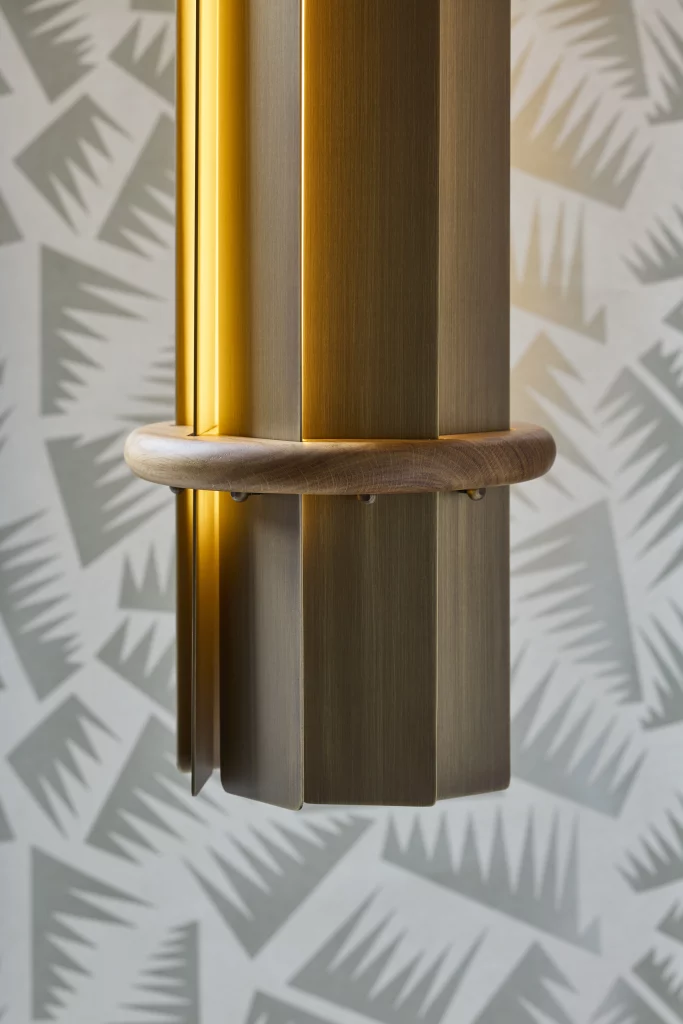
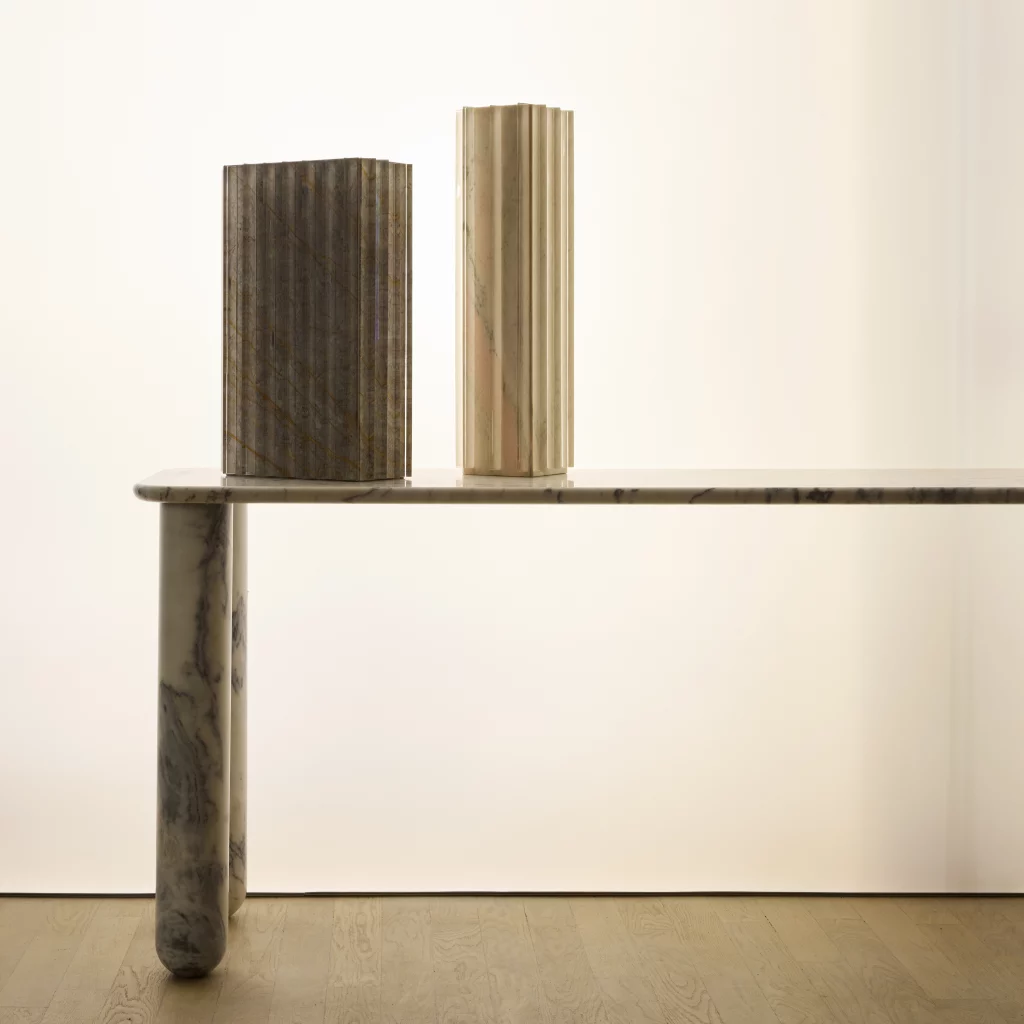
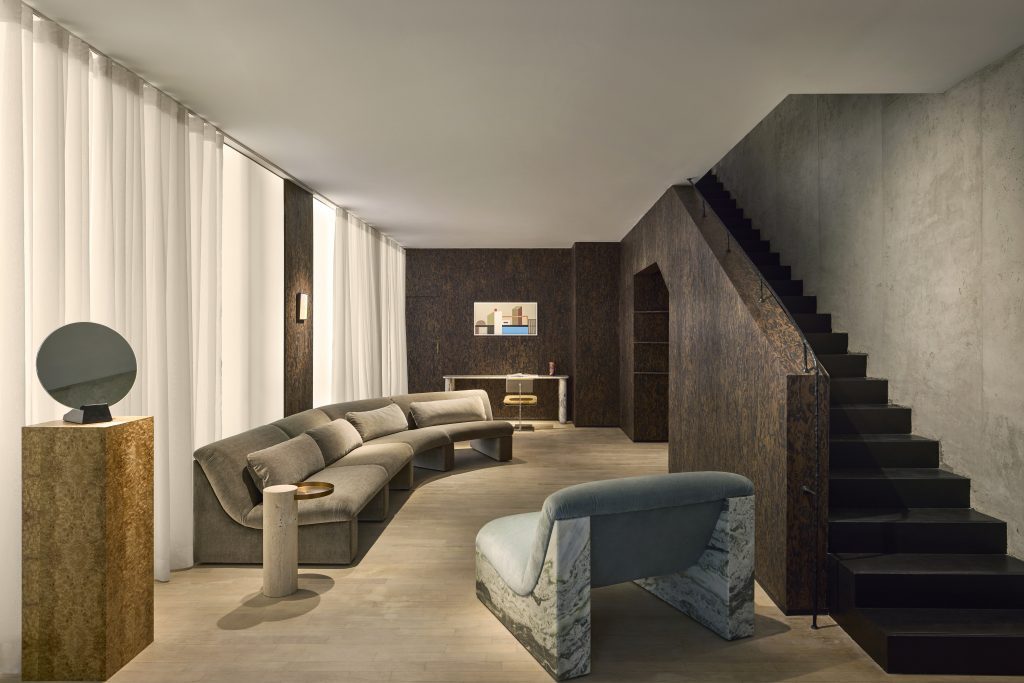
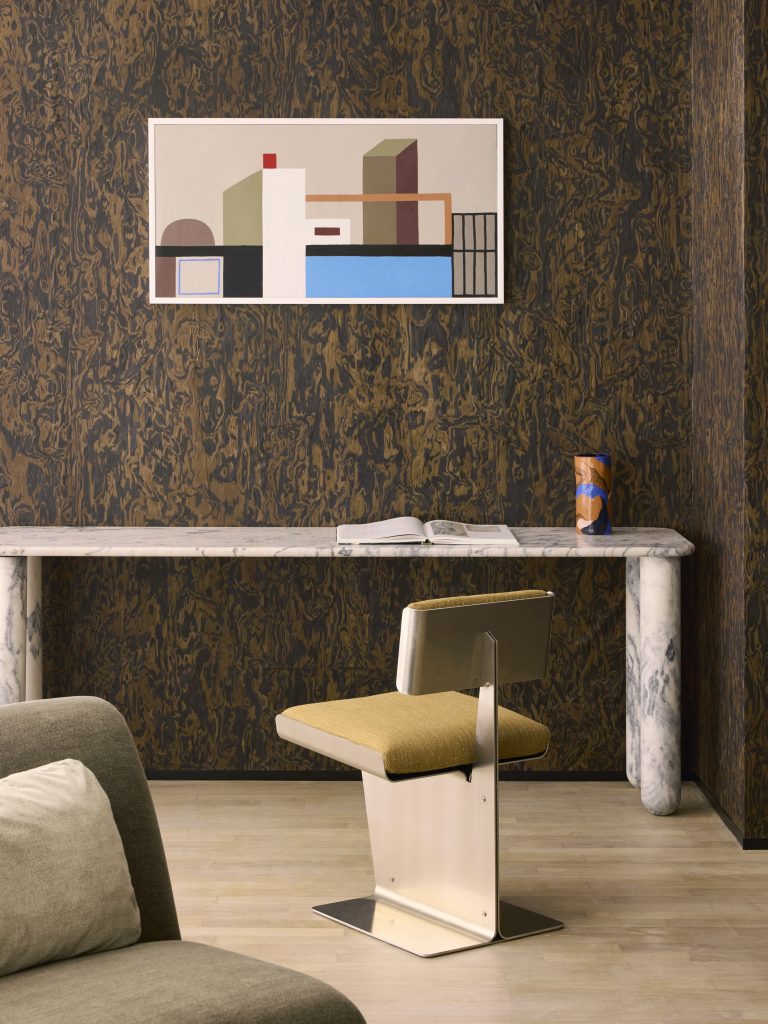
Anthony Guerrée and La Chance at musée Bourdelle

CONTREPOINT
ANTHONY GUERRÉE AT MUSÉE BOURDELLE

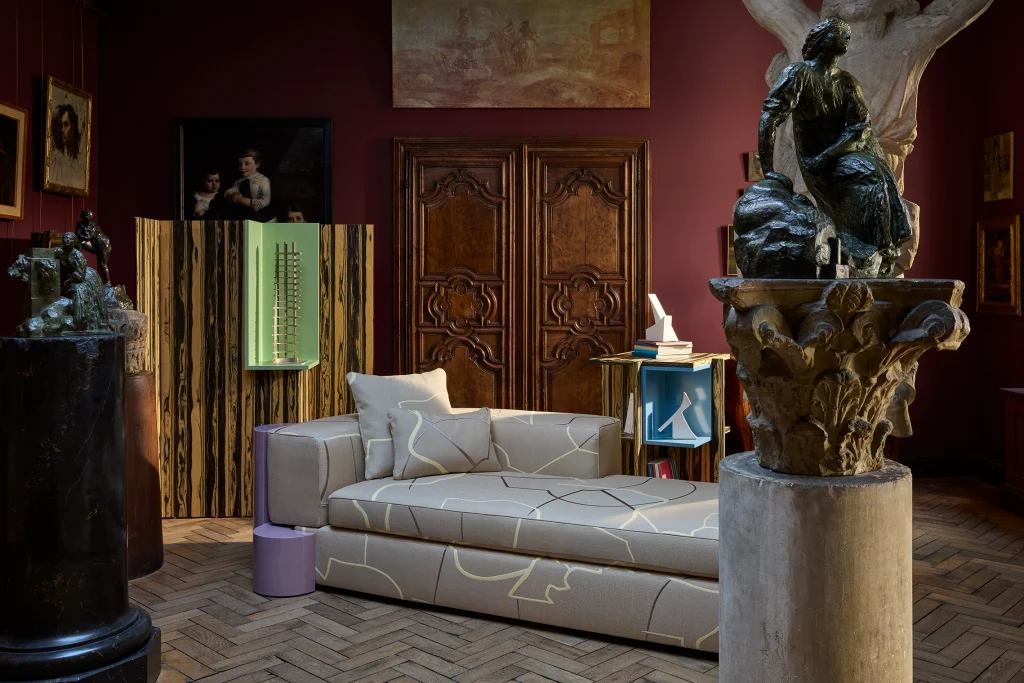
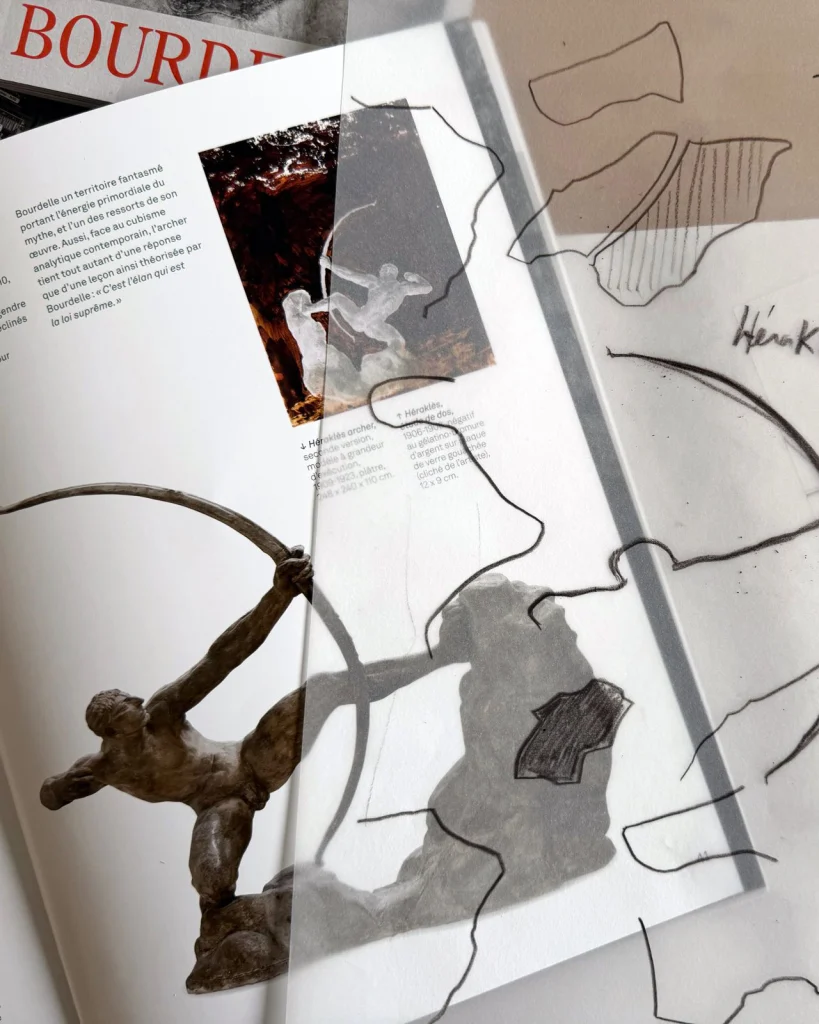
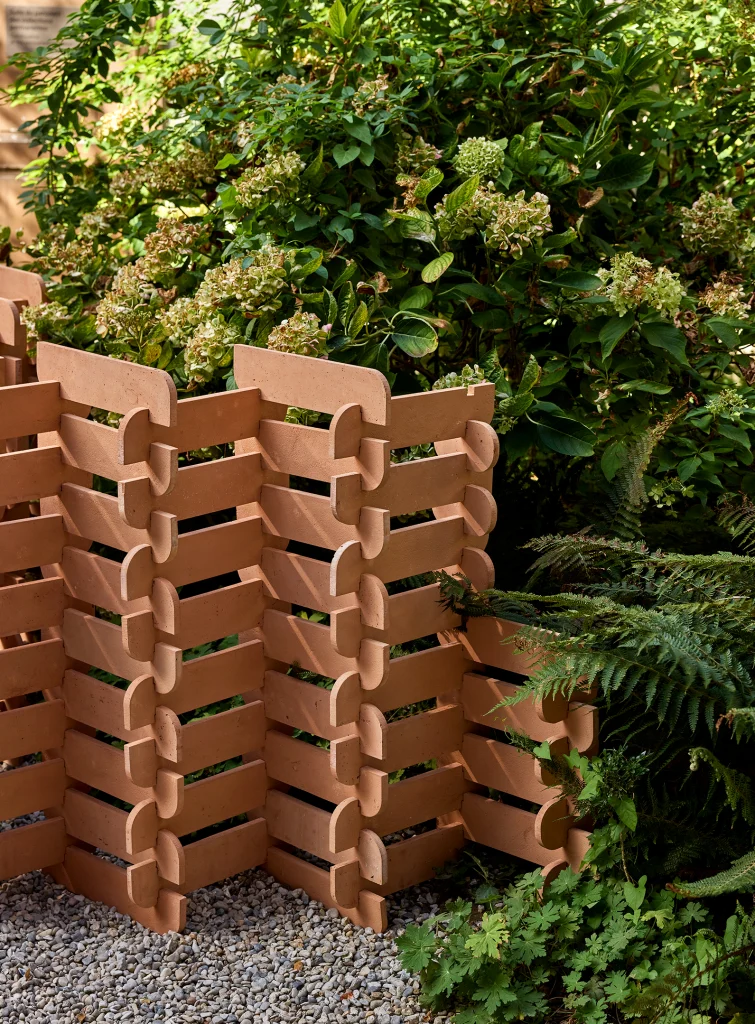
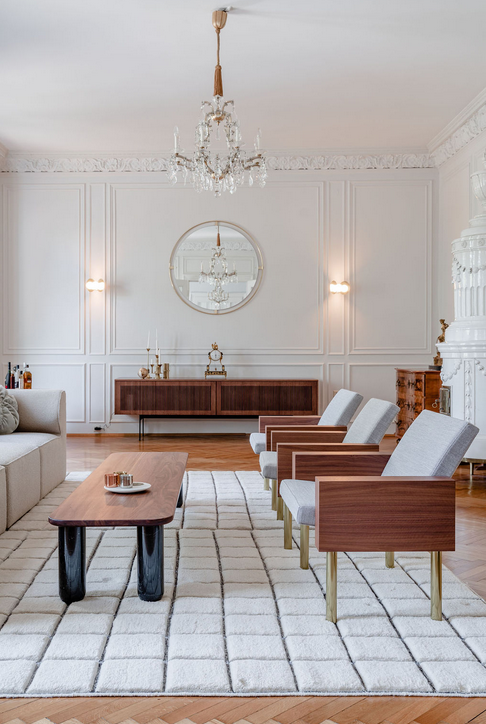
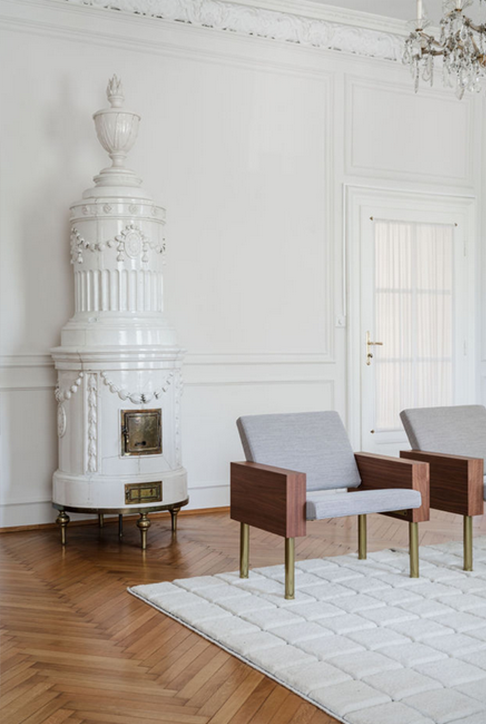
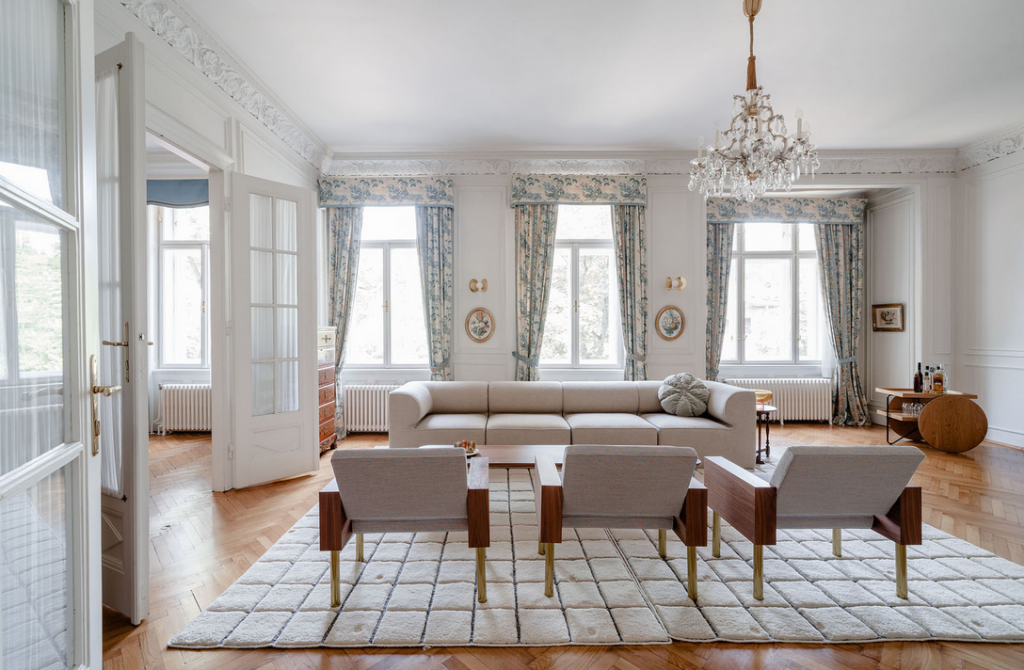
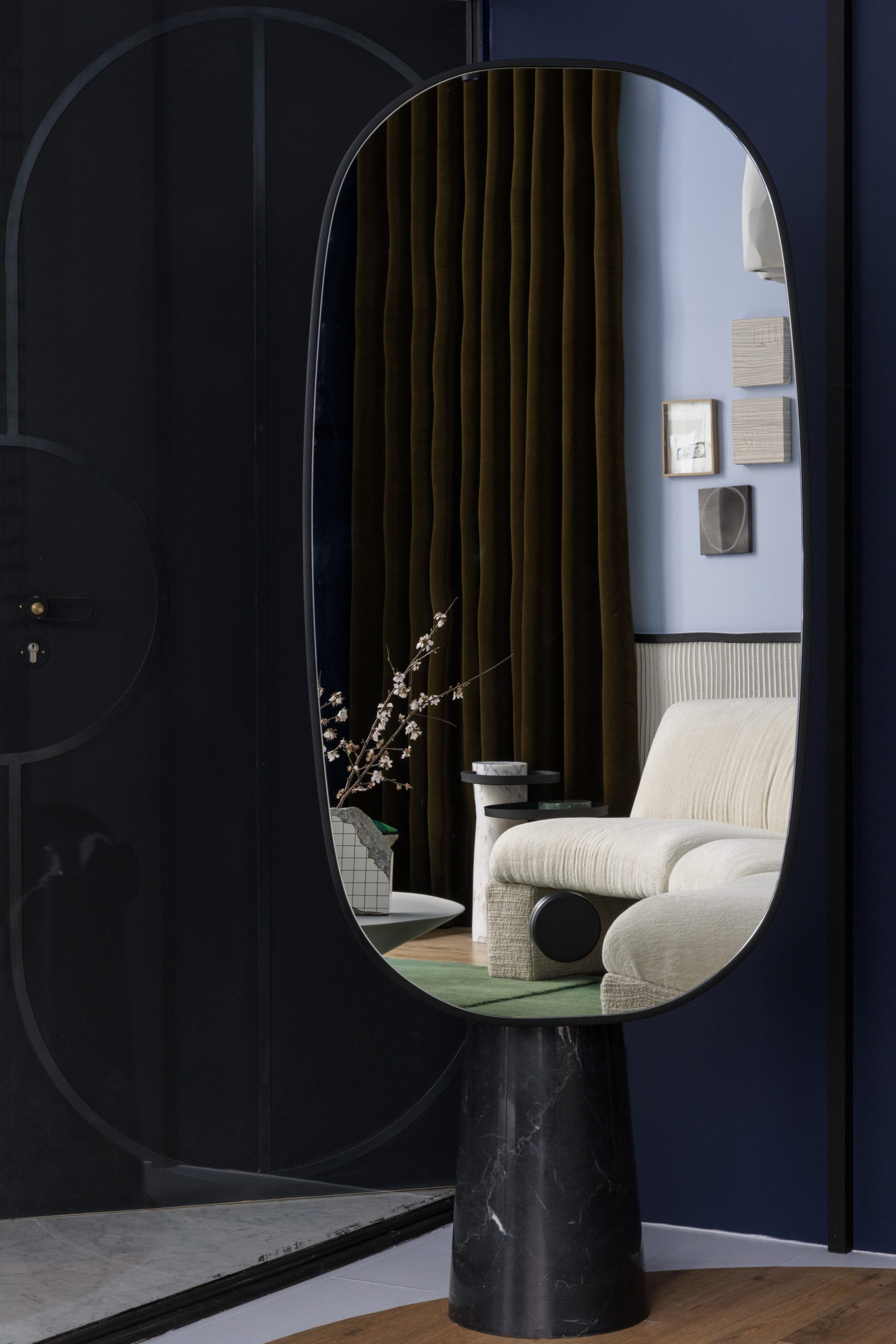
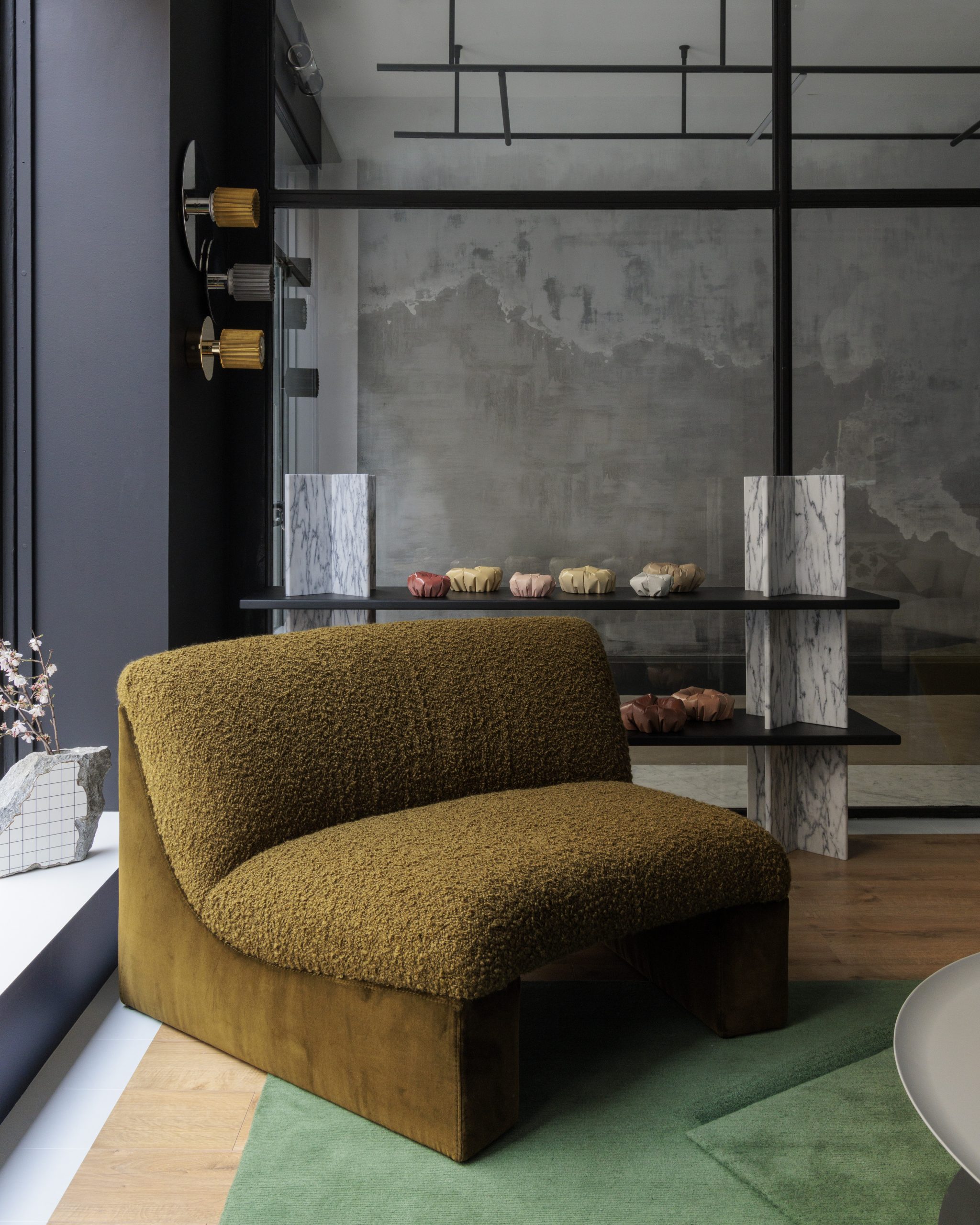
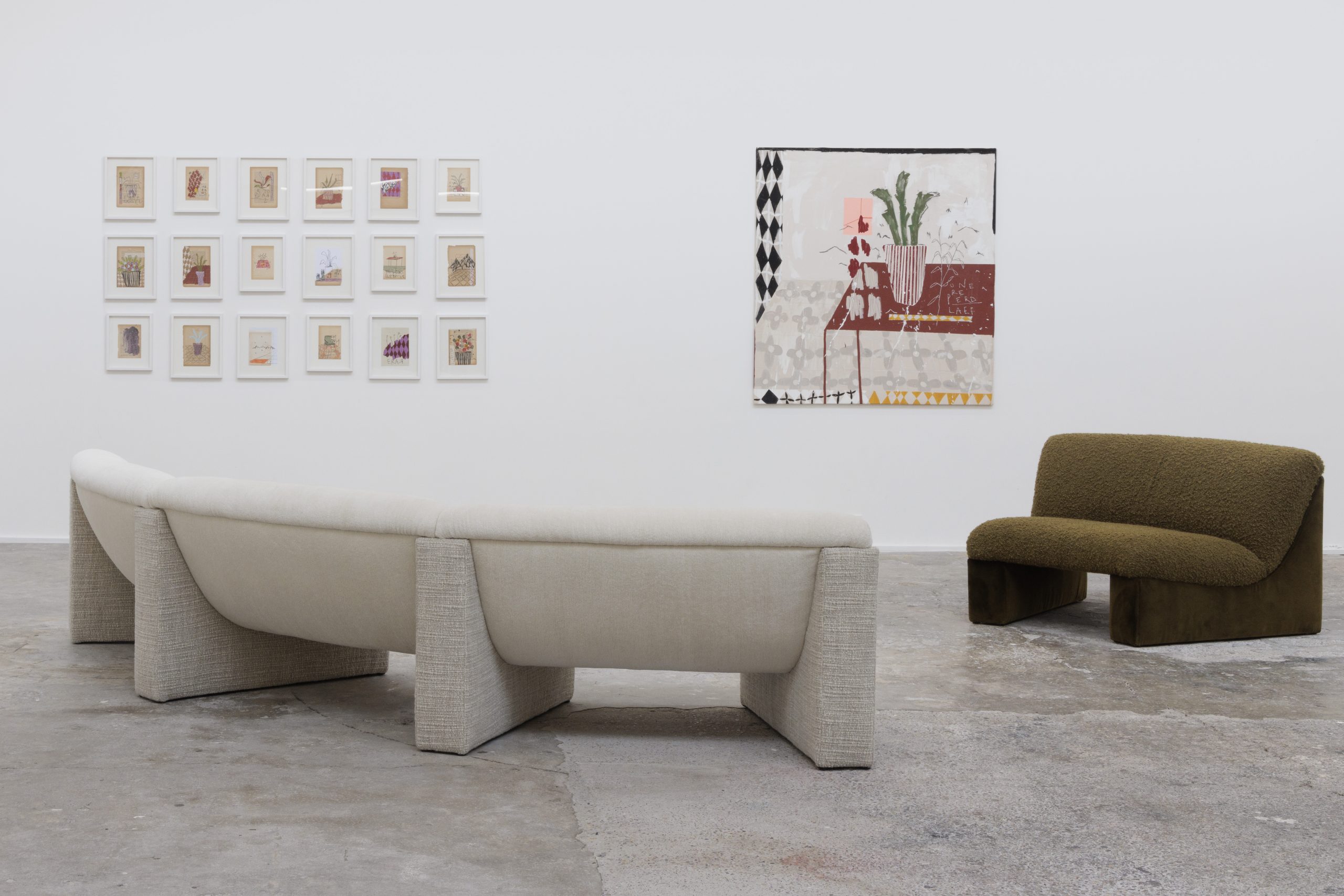
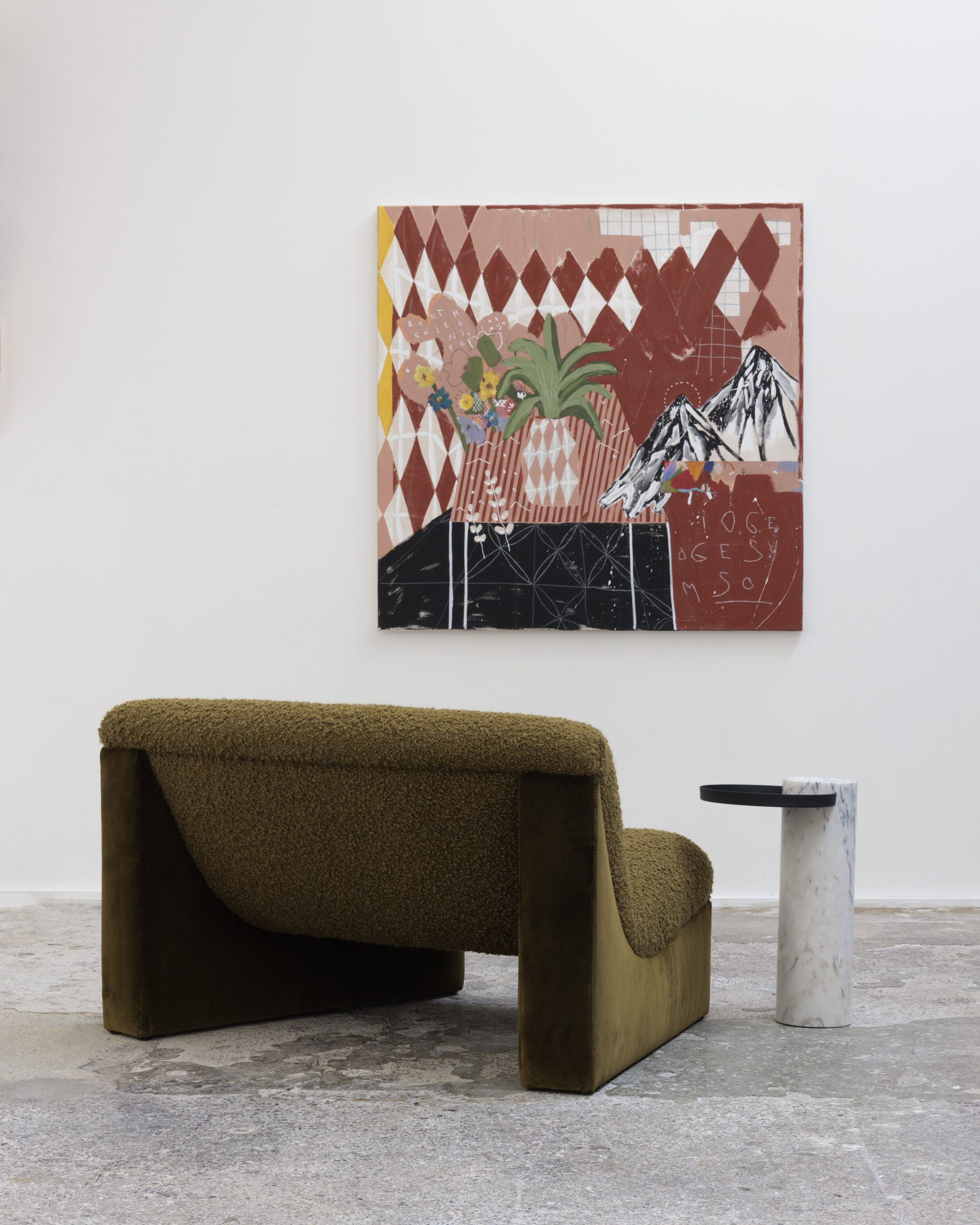
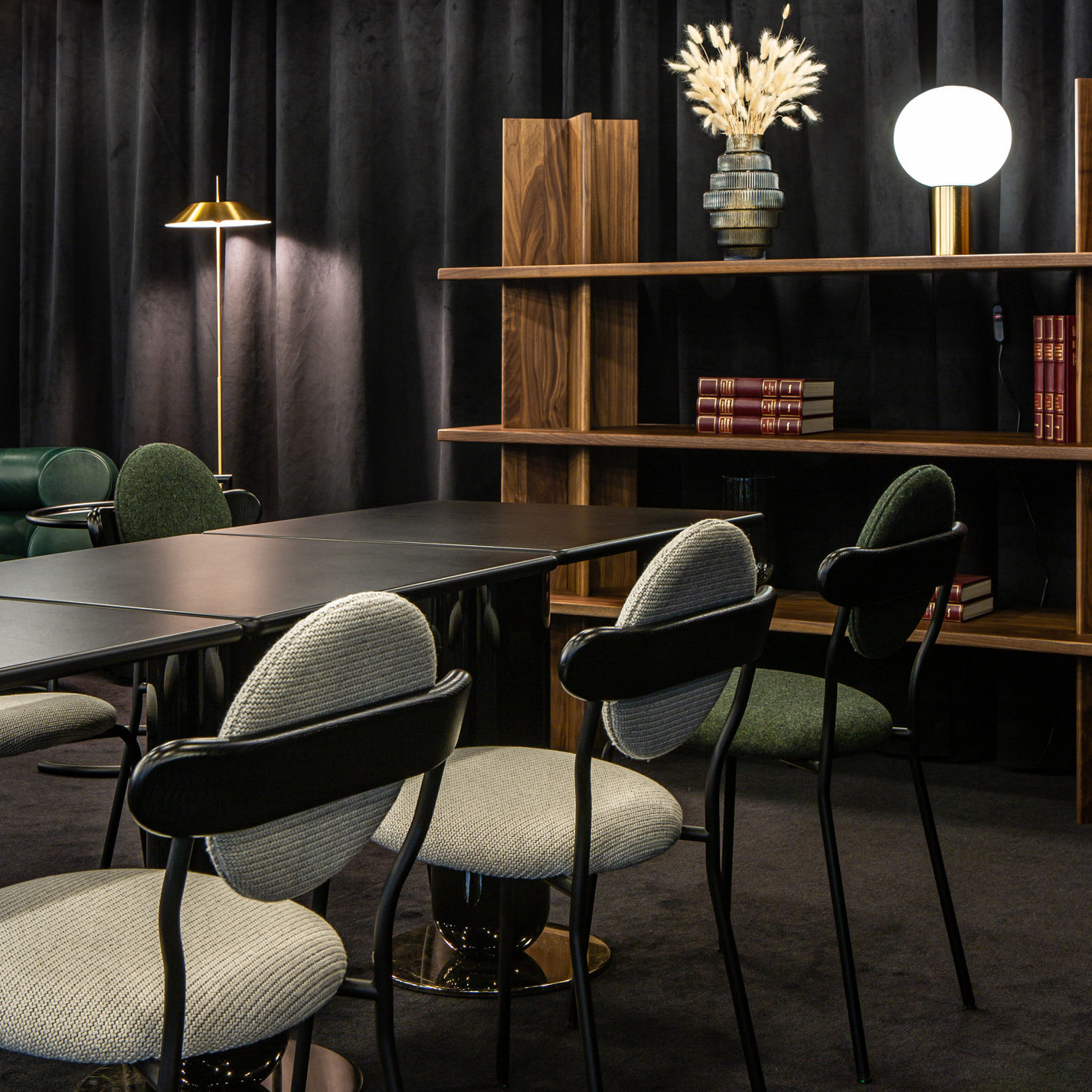
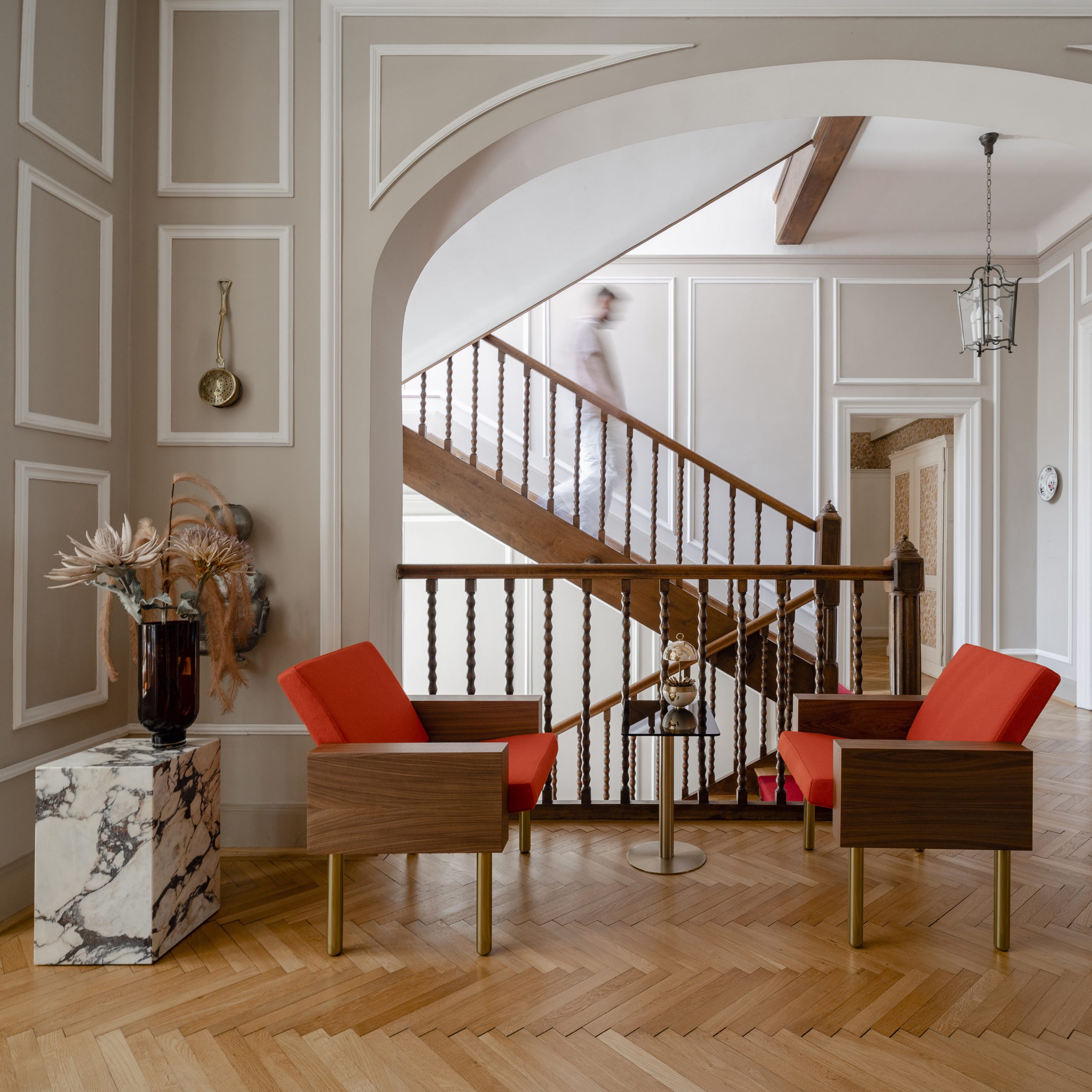
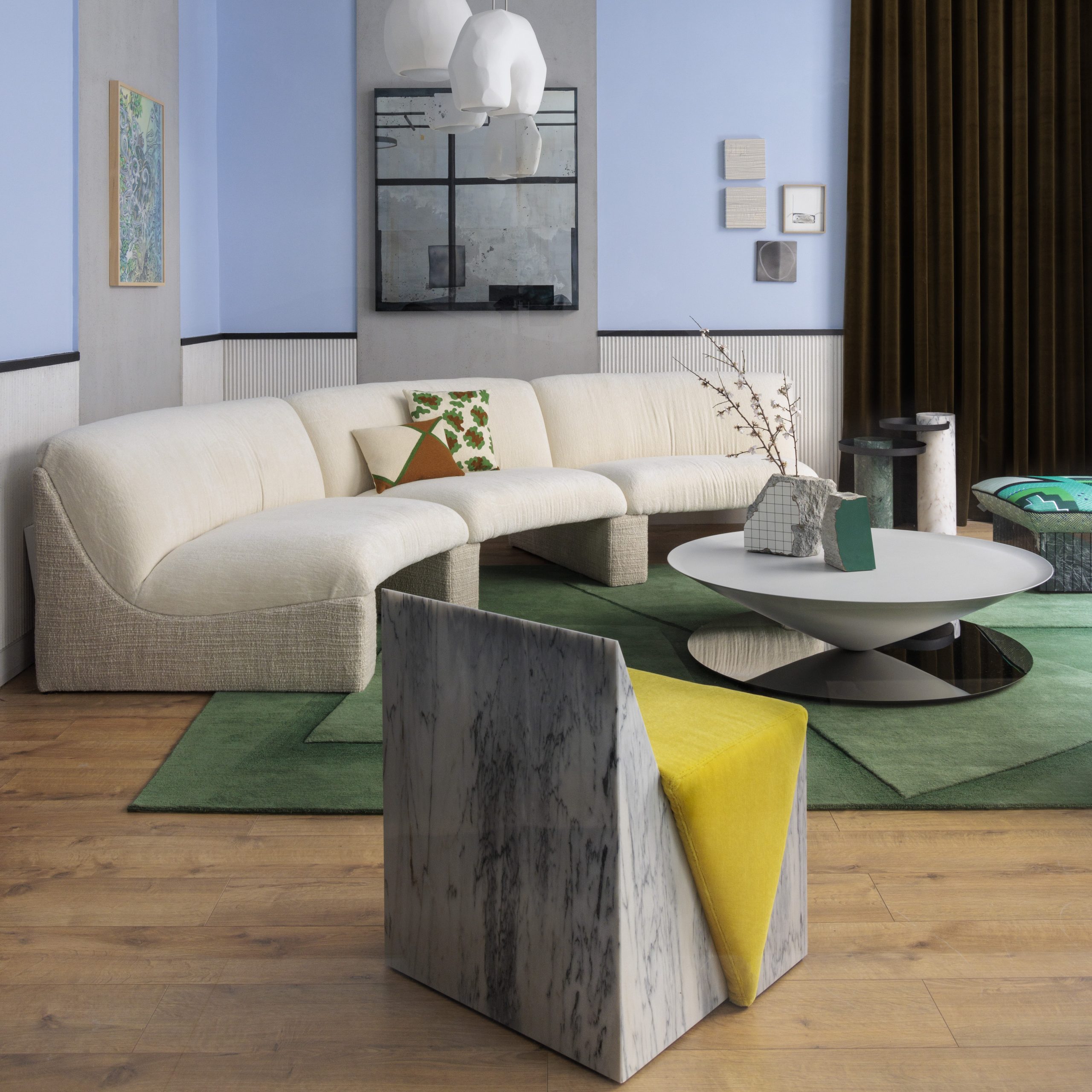
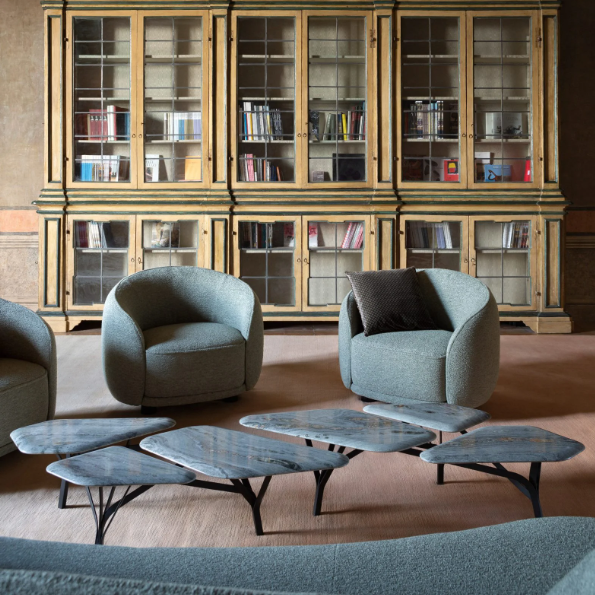
From 8 to 27 September 2026, the Musée Bourdelle hosts ‘Contrepoint’, an installation by Anthony Guerrée set within the permanent collections, for the museum’s first participation in Paris Design Week. From Antoine Bourdelle‘s sculptures, Anthony draws lines, curves and tensions — the taut arcs, the sense of construction, the signatures of a gesture — which he freely transposes into wood, glass, textile and clay.

For La Chance, the brief was clear and demanding: to bring our pieces into conversation with the work of a major sculptor, in a place that is already, in itself, a work of art. Three pieces designed by Anthony Guerrée for the house enter this dialogue — including one new creation that joins the collection.

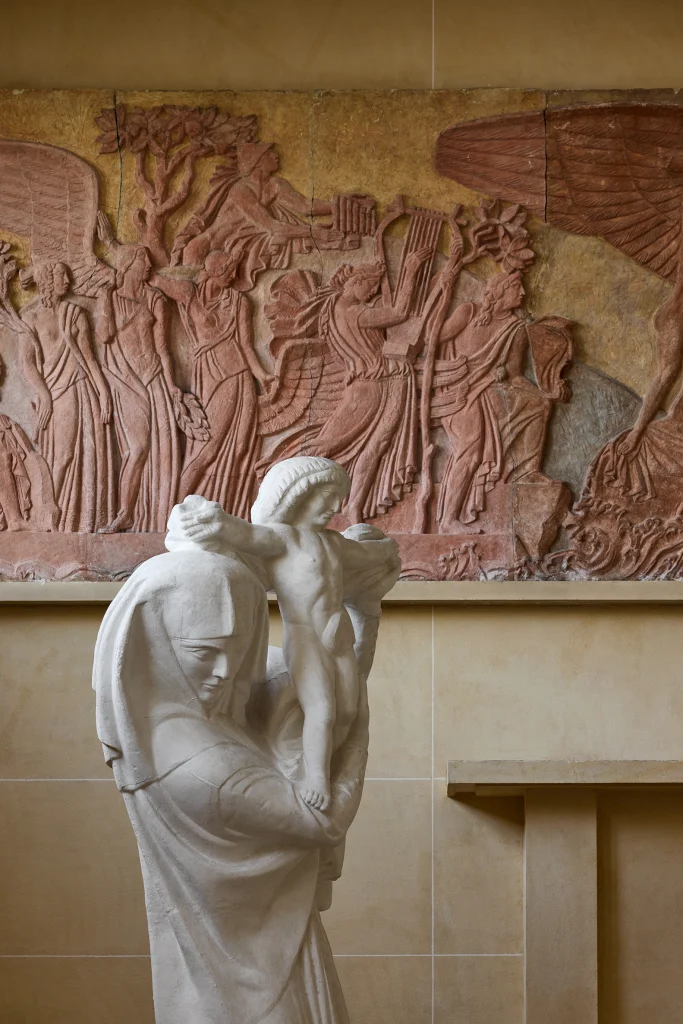
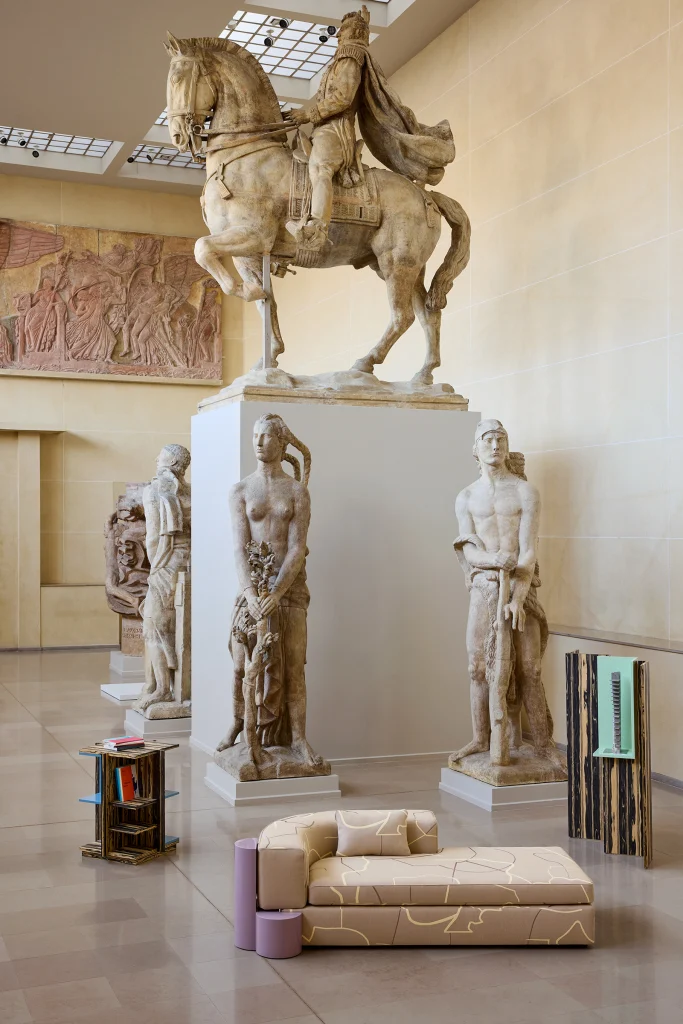
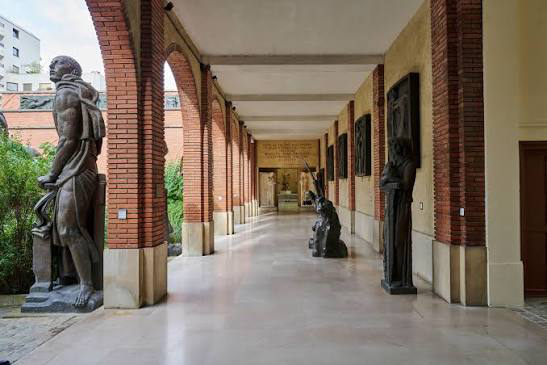
The Musée Bourdelle is an architectural millefeuille, a cluster of buildings raised between 1878 and 1992 and linked by three gardens peopled with bronzes. Late-nineteenth-century studios turned into collection rooms; a red-brick hall built in 1961 by Henri Gautruche to display the monumental plasters; a wing of geometric concrete raised by Christian de Portzamparc in 1992. In a few steps, you pass from the intimate to the grand.

That contrast is what attaches us to this place — one of our favourites in Paris. On one side, the lived-in spaces and the creation studio, relatively small, dense with presence; on the other, the vast plaster hall, gathering the plasters once used to cast the bronzes now shown in the gardens. A walk, hidden corners, a quality of light — and a design history not far from our own: thanks to the 2002 bequest of Rhodia Dufet-Bourdelle, the museum holds the furniture ensembles and archives of Michel Dufet (1888–1985), a leading figure of Art Deco. Our pieces thus resonate with a design collection already present within these walls.

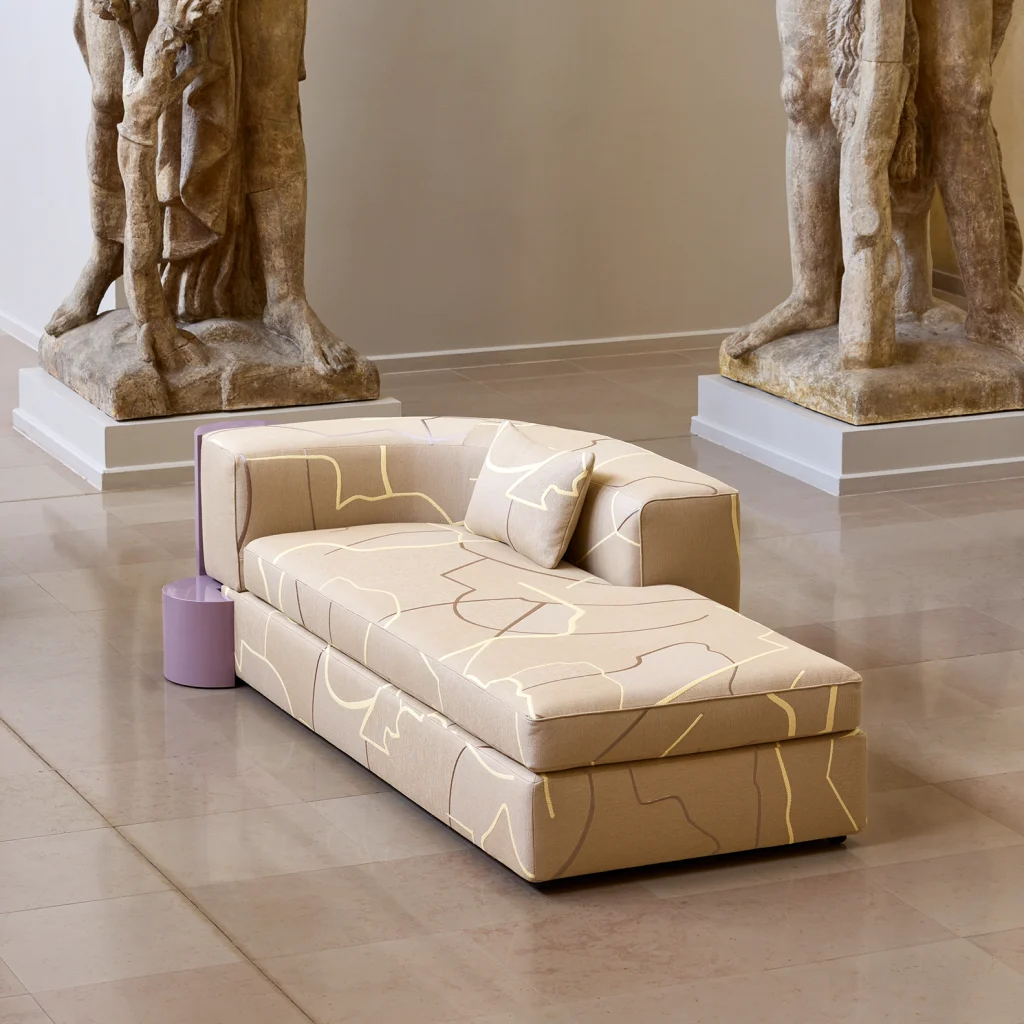
Drawing on Bourdelle’s work, Anthony Guerrée has defined a repertoire of forms — fragments of line, abstract yet deeply tied to sculptural movement. This vocabulary travels from one medium to another: it appears in the jacquard motif of the daybed as much as in the stained-glass-and-wood screens of the plaster hall.

It is the thread running through ‘Contrepoint‘, and what gives the whole its coherence: a single handwriting, declined in textile, glass, wood and clay.

The painting studio is a place of life, more intimate, and of rare density: a great Bourdelle figure rising from floor to ceiling, a Greek head, fragments of an altarpiece, portraits of different periods and styles. A physical density, but also a density of vocabulary and texture. To this is added the colour of the walls — a wine-red, very present, very strong.

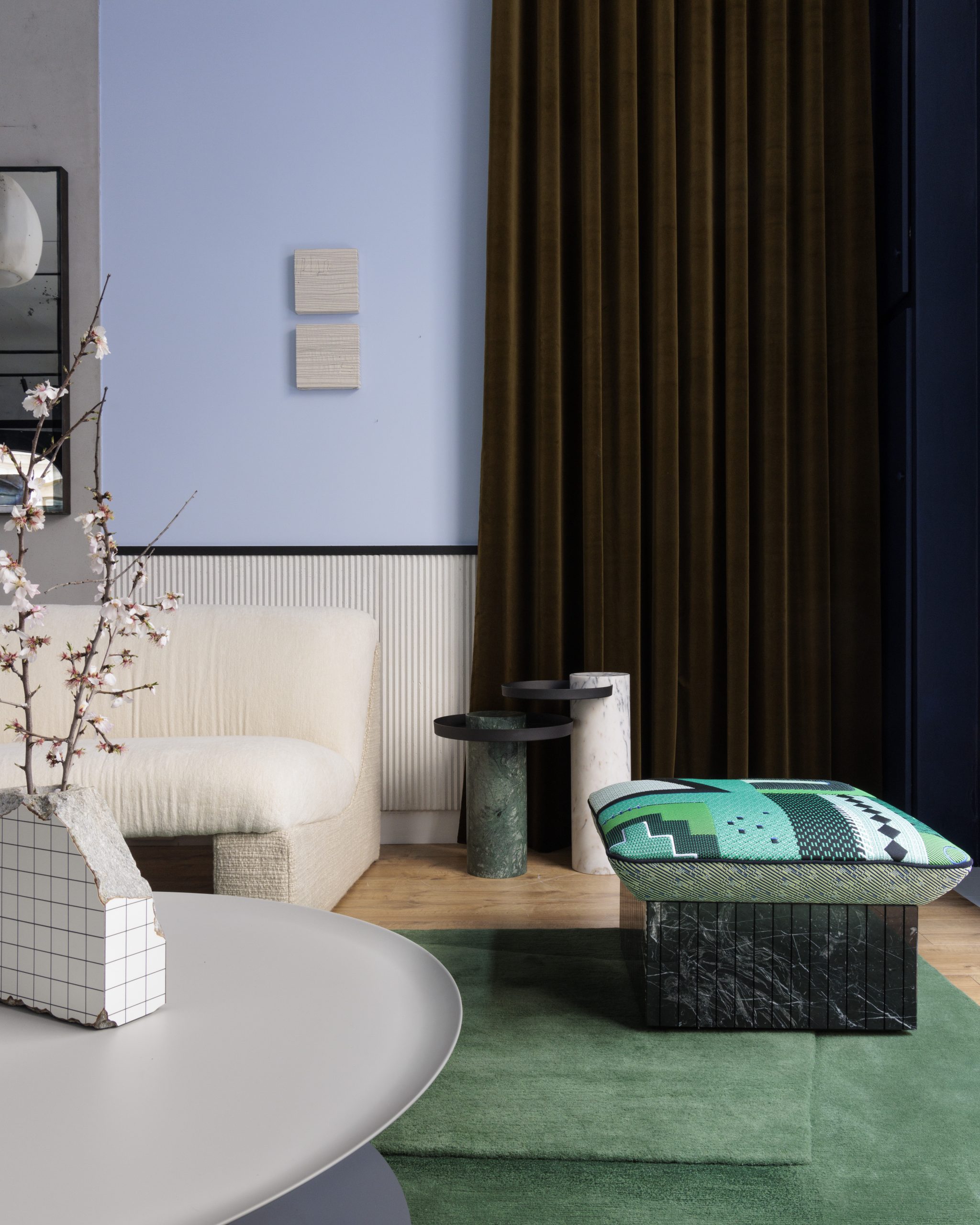
To exist in this room without dissolving into it, we chose emphatic versions of our furniture, in assertive colours. With Anthony, we built a palette that folds this wine-red into a fresher chord: a mint green, a soft blue — taken from one of the paintings in the room — and the mauve/parme found from one piece to the next.

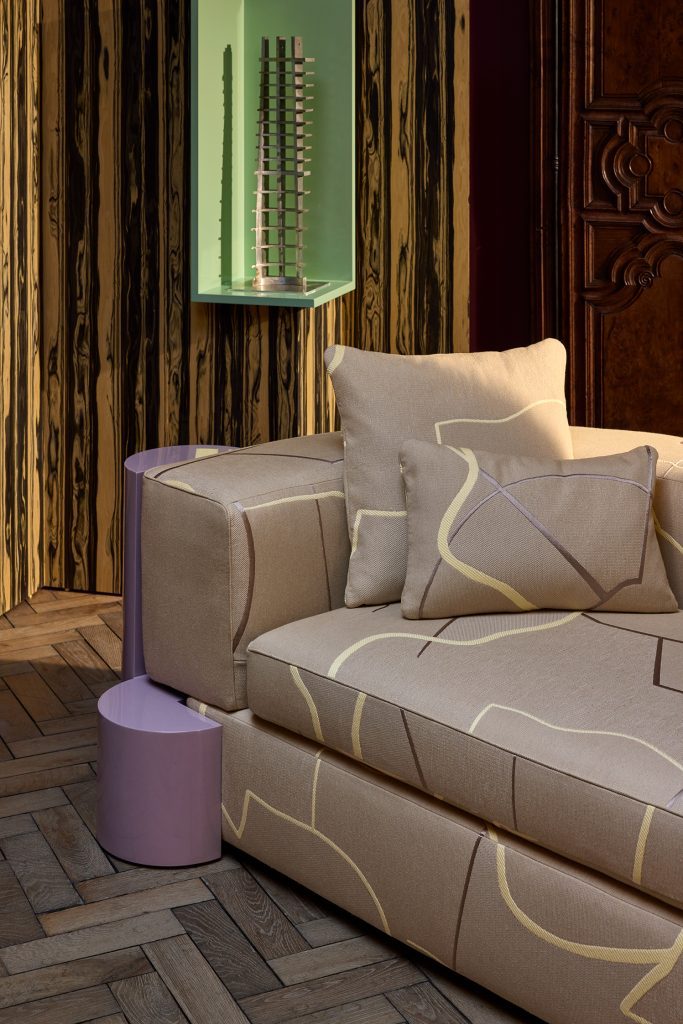
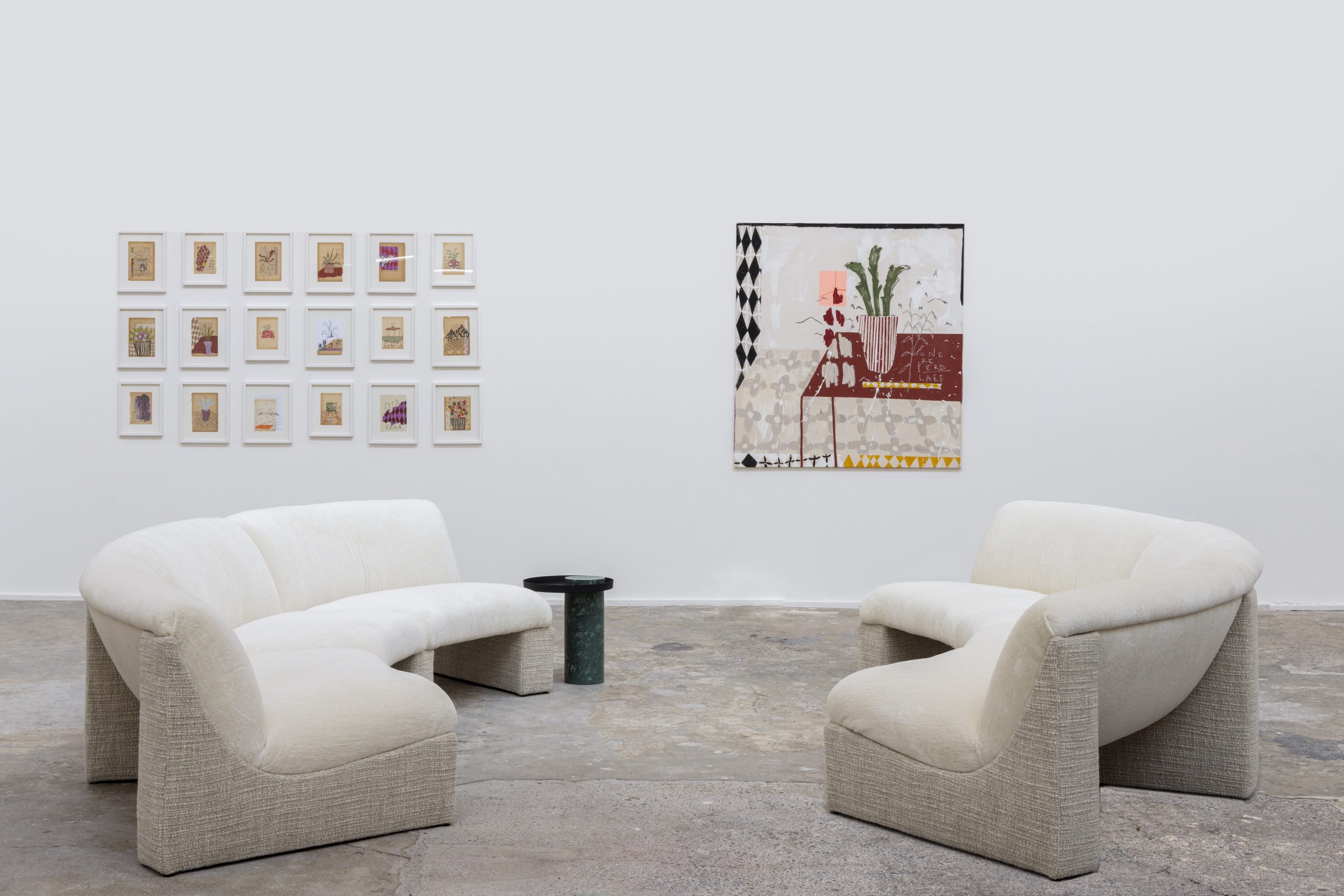
Orbe is a collection designed by Anthony Guerrée for La Chance, broad and rich in typologies: sofas, armchairs, compositions. Here we chose the daybed version — for its compactness, its sculptural quality, and because the room that welcomes it was the museum’s only domestic salon, the one where Antoine Bourdelle received guests, and where a daybed already stood at the time. Our intervention follows in that continuity: something resolutely domestic.

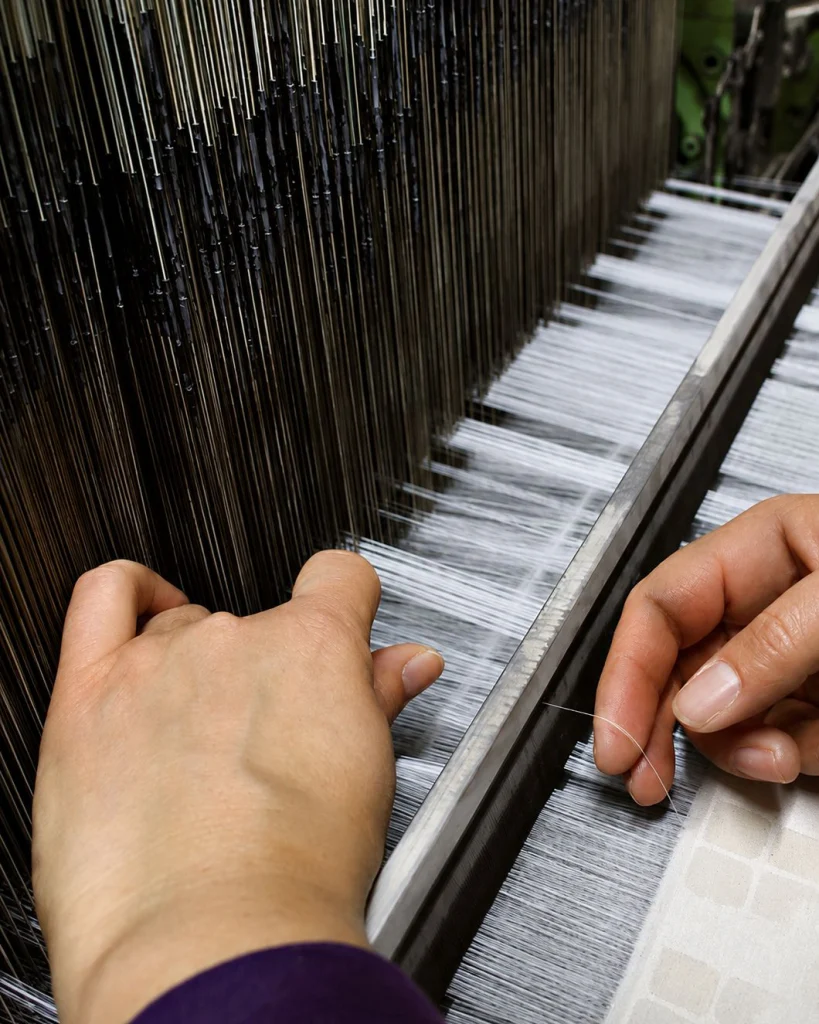
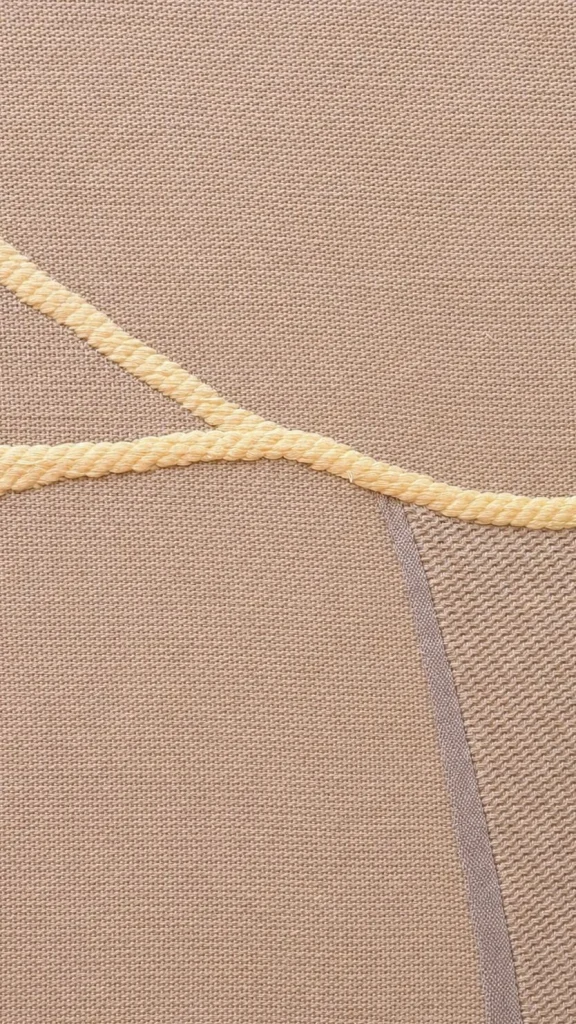
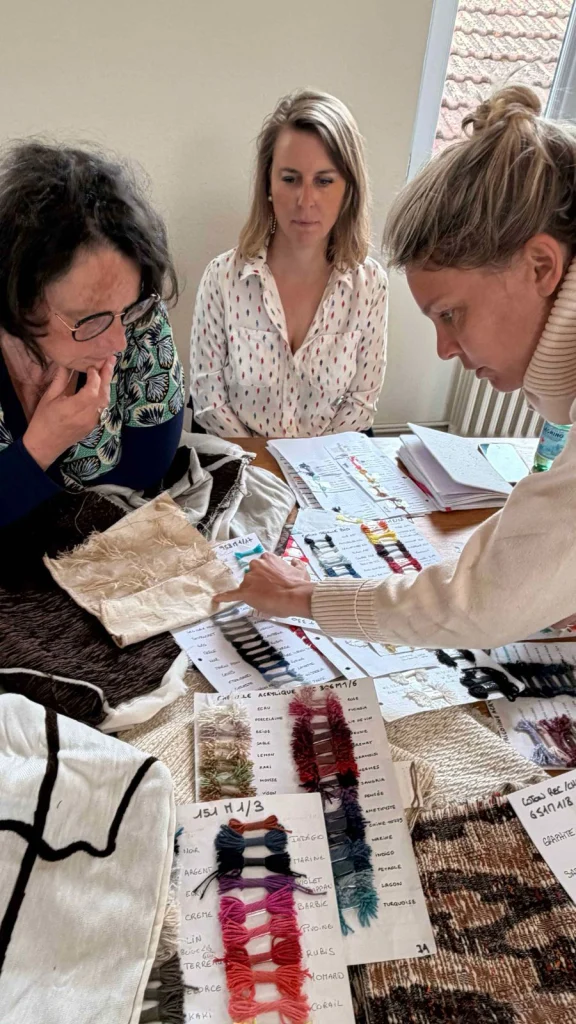
For ‘Contrepoint’, we produced a wholly special version, unique and exclusive. The fabric is a jacquard developed with Tissages de Charlieu, a centuries-old French textile house, with the technical support of Isabelle Arnardi. The motif comes straight from Anthony’s repertoire of forms drawn from Bourdelle — the taut arcs, the constructed feel — the very motif that inhabits the screens of the plaster hall. The jacquard plays on four weaves, four flat textures linked together, heightened with glossy lurex threads carrying the mauve parme, and a woollier yellow thread that adds grain. The result is a relief, a landscape effect.

A word on the craft: developed in the early nineteenth century, the jacquard technique weaves the motif into the very structure of the cloth — the fabric becomes a true field of creation. Anthony’s vocabulary of lines and forms takes shape thanks to Tissages de Charlieu, a centuries-old French house specialising in bespoke jacquard, and to the expertise of Isabelle Arnardi, who guided the development of the motif.

A detail: the “roc”, the side element of the daybed, usually in marble or in an aluminium ground, is here treated in coloured lacquer, in a parme echoing one of the threads in the fabric. A side table slips beneath the cantilever of the backrest. A piece unique in both its fabric and its colours.

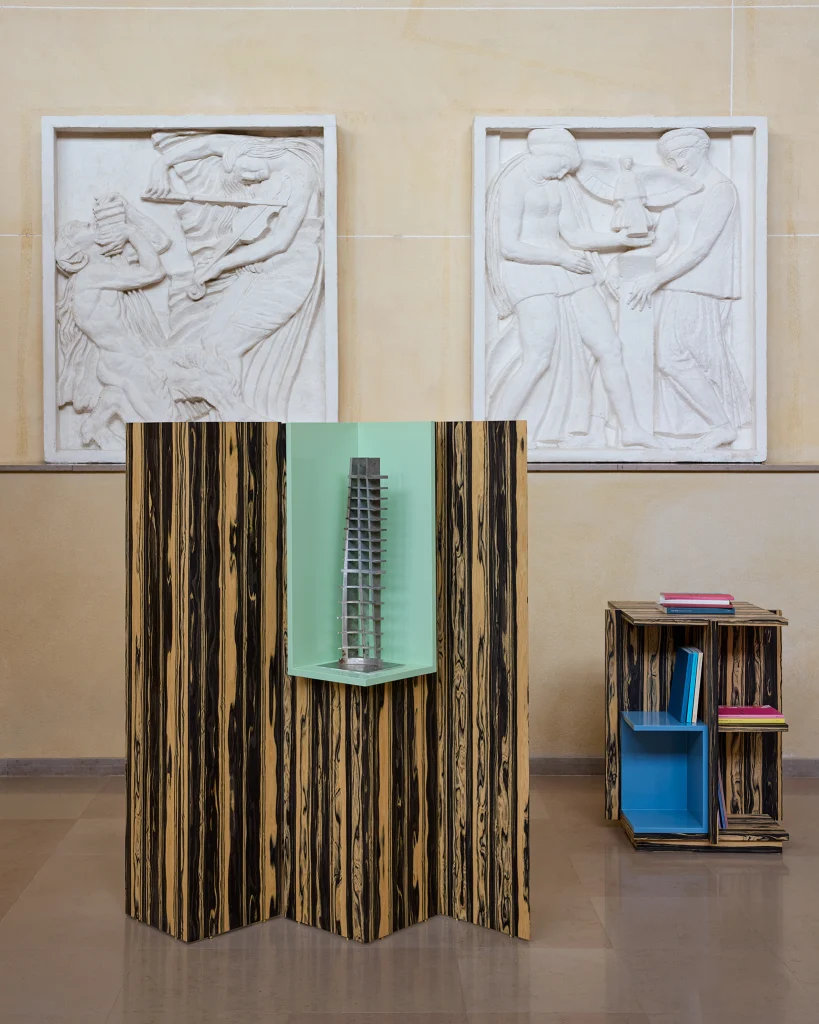
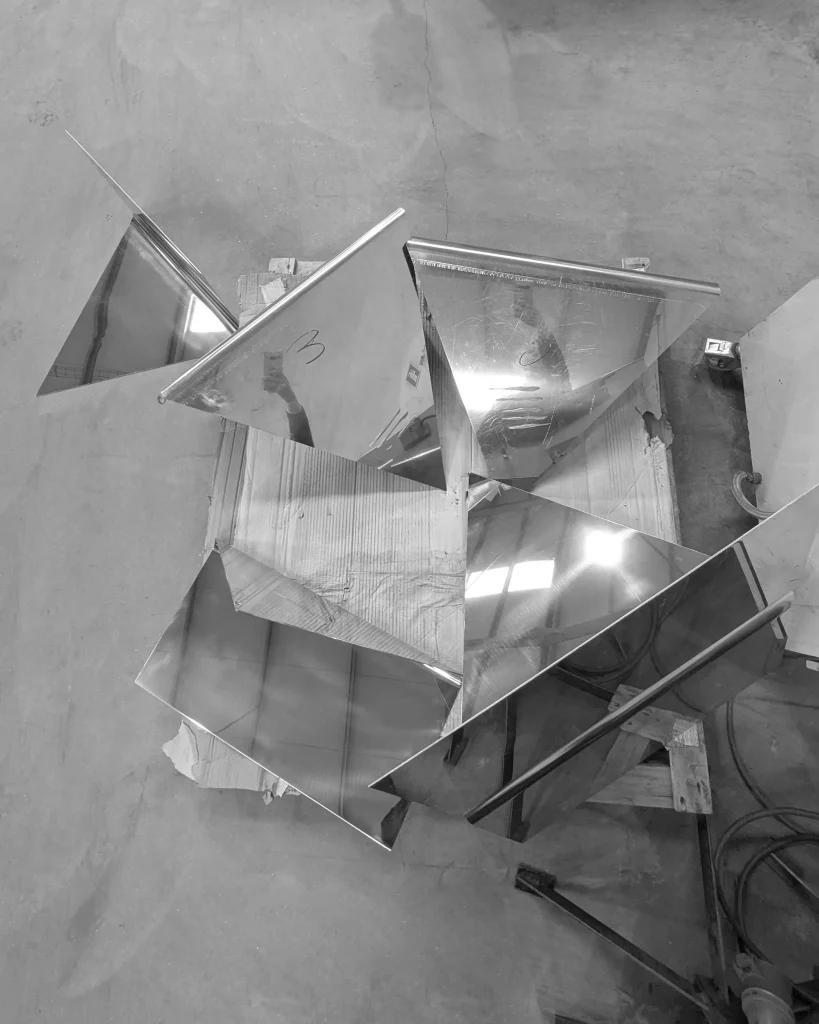
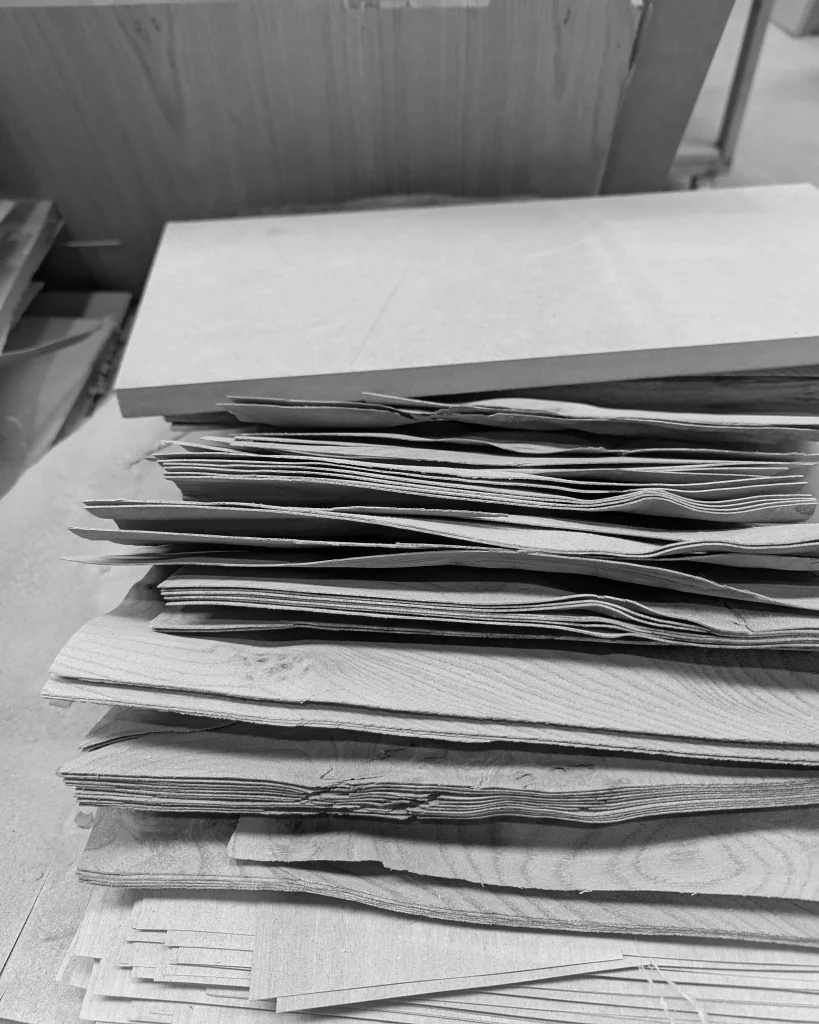
First shown with La Chance and Anthony Guerrée in 2025, the Forma screen existed in a version with a mirror-polished stainless-steel box and a very fine, gentle Japanese wood. That world would not have held its own in the painting studio. So we made a far more emphatic version, in a precious white-ebony veneer: strong contrasts, swirling grain — an impression of black smoke — and an almost striped quality that gives it an intense presence. It coexists with the room’s many woods (parquet, doors, works), bringing something precious, graphic, modern, and a real freshness that breaks with the whole.

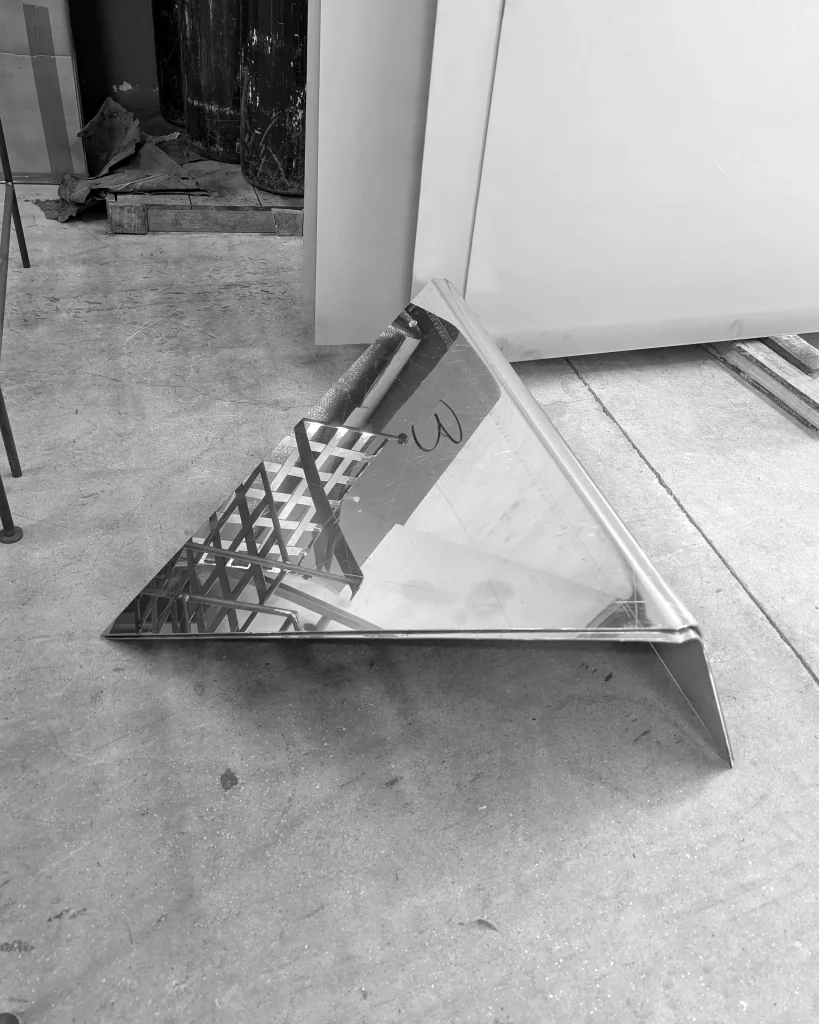
The screen’s box — conceived as a pedestal for a sculpture, an object, a bouquet — is here in glossy green lacquer. On it we placed a manufacturing matrix from Maison Charles, the publisher of precious lighting for whom Anthony designed a lamp. This tool, normally used to bend sheets of brass, has been mounted on a base: a technical, utilitarian object whose chiselled, dynamic, perfectly proportioned beauty we wanted to underline.

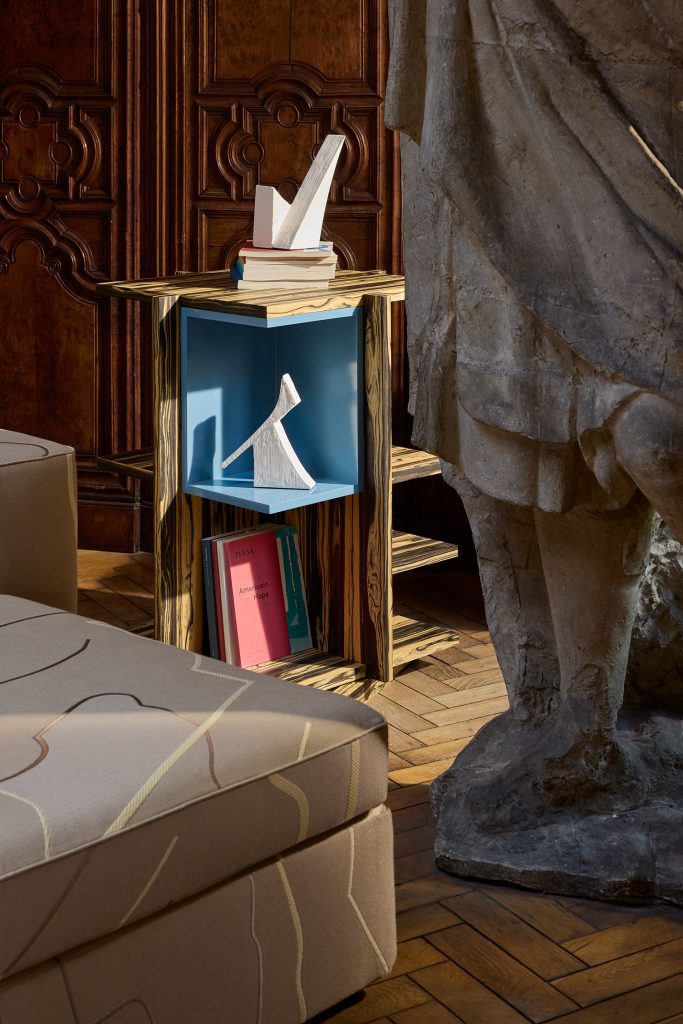
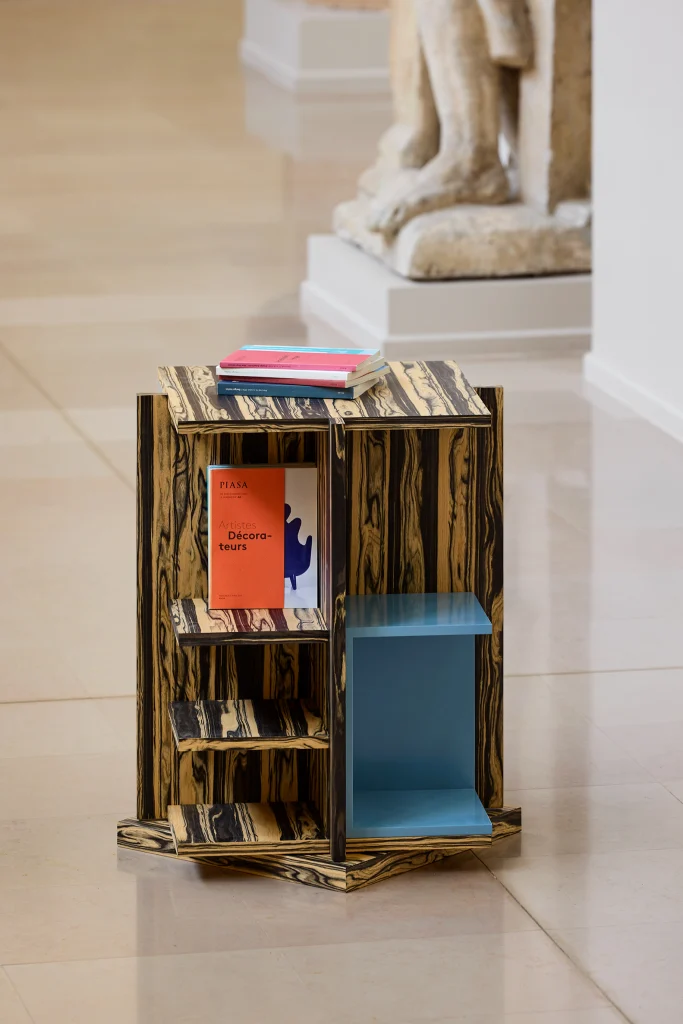
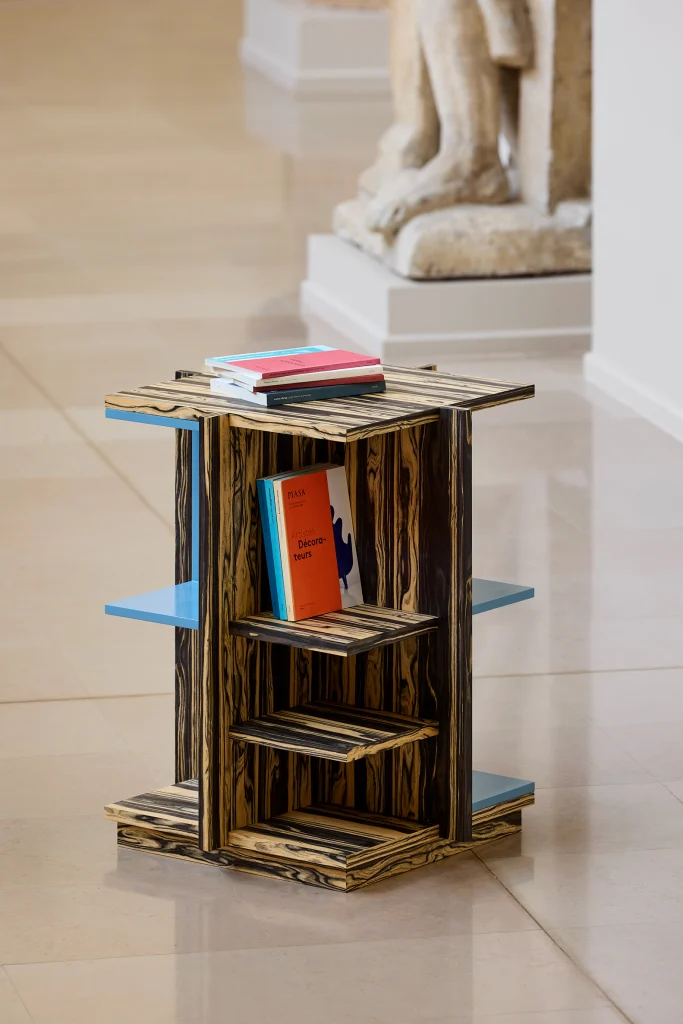
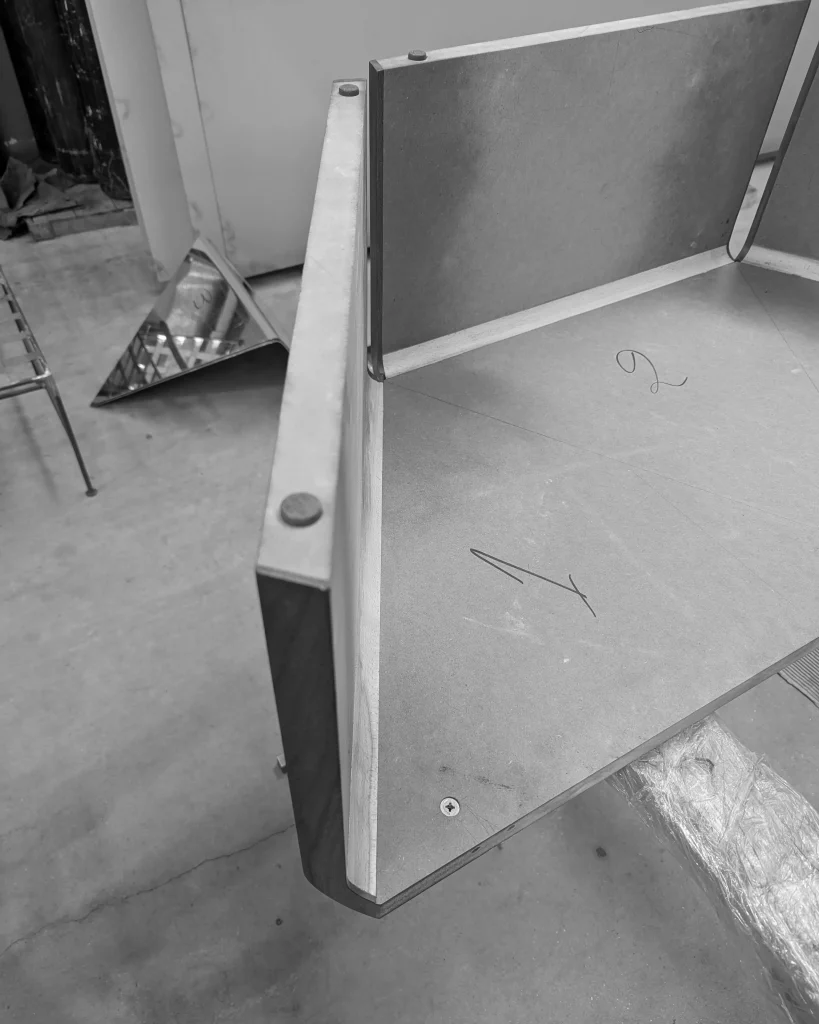
A new piece, the Forma bookcase joins the collection. Its inspiration is twofold. First a typology: the revolving bookcases found in classical interiors, which give access to books all around their perimeter. Then the principle already at work in the screen: the storage function doubles as a way of showcasing — that pedestal quality. Here too there are boxes, this time in blue lacquer.

A little over 1.15 m high, it can carry a large sculpture; and its rotation evokes the sculptor’s turntable, the stand on which a work is turned to be shaped from every side — a nod, a tribute to the gesture. Inspired by an antique piece yet wholly contemporary, it holds art books just as well as a bar, or works slipped into the two blue boxes. It creates a circulation, a concentrate of personalities that adapts to each use.

‘Contrepoint’ is a collective work. Around Anthony Guerrée, several exceptional workshops and manufactures.

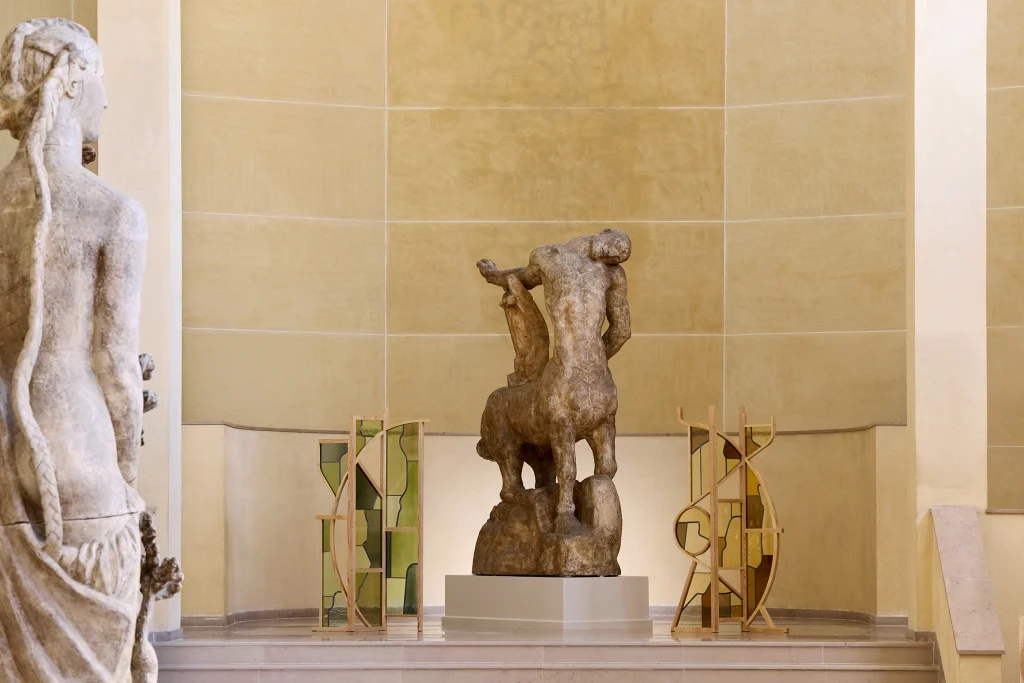
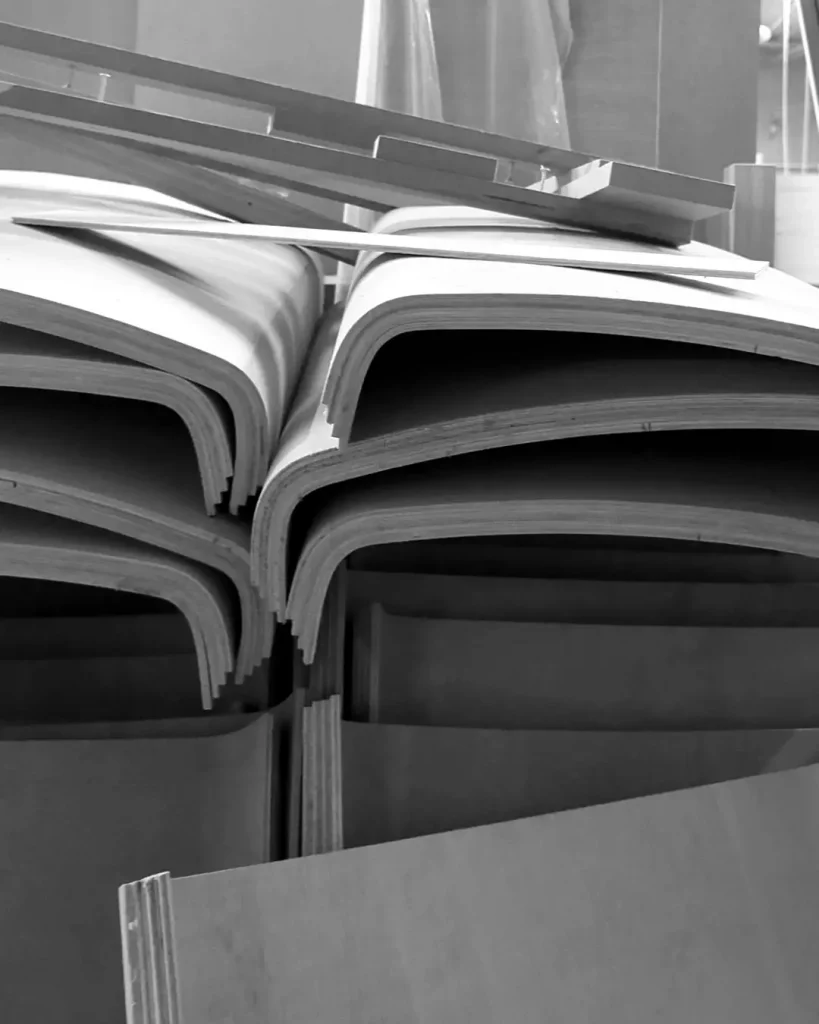
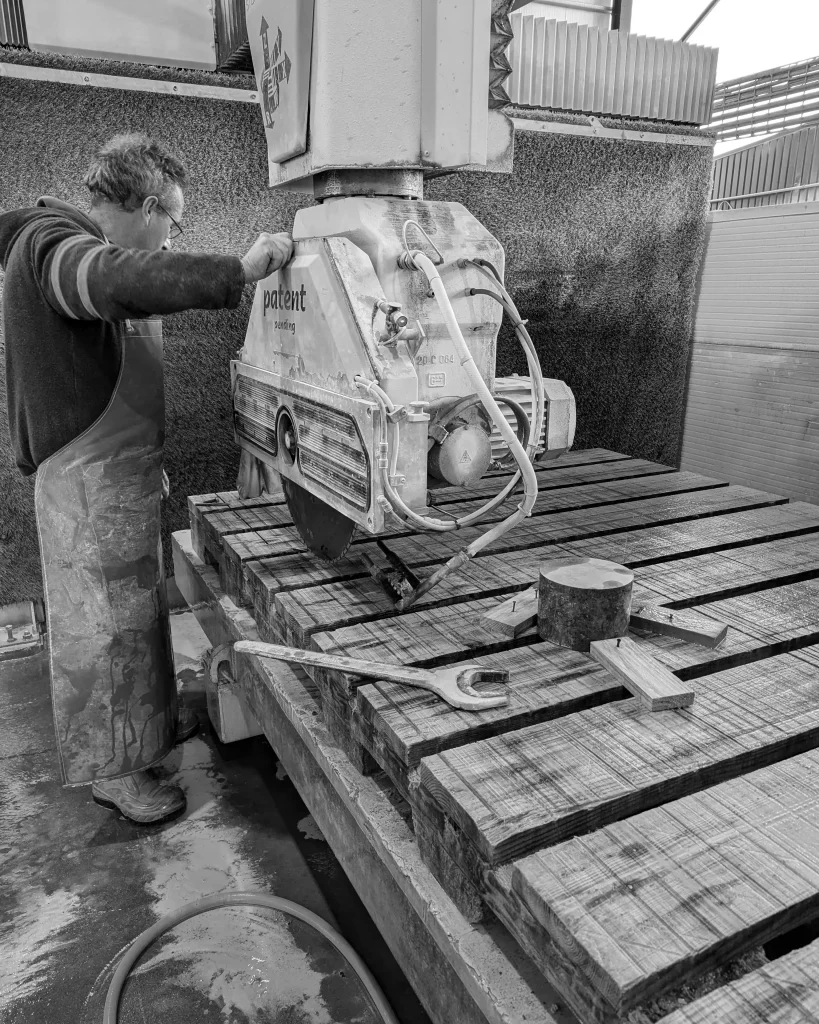
In the majestic plaster hall, four screens of stained glass and wood unfold their play of coloured light around the ‘Dying Centaur’, ‘Herakles the Archer’ and the ‘Monument to General Alvear’. The compositions arise from the same lines as our fabric — the curves and tensions drawn from Bourdelle’s sculptures — here become an architecture of light. The stained glass is signed by the Atelier Toporkoff (Sophie Toporkoff); the structures, in solid ash, are made by the joiner Louis Monier (Atelier Monier), Meilleur Ouvrier de France. A fitting return: the screen has long belonged to the repertoire of the seat-maker’s craft.

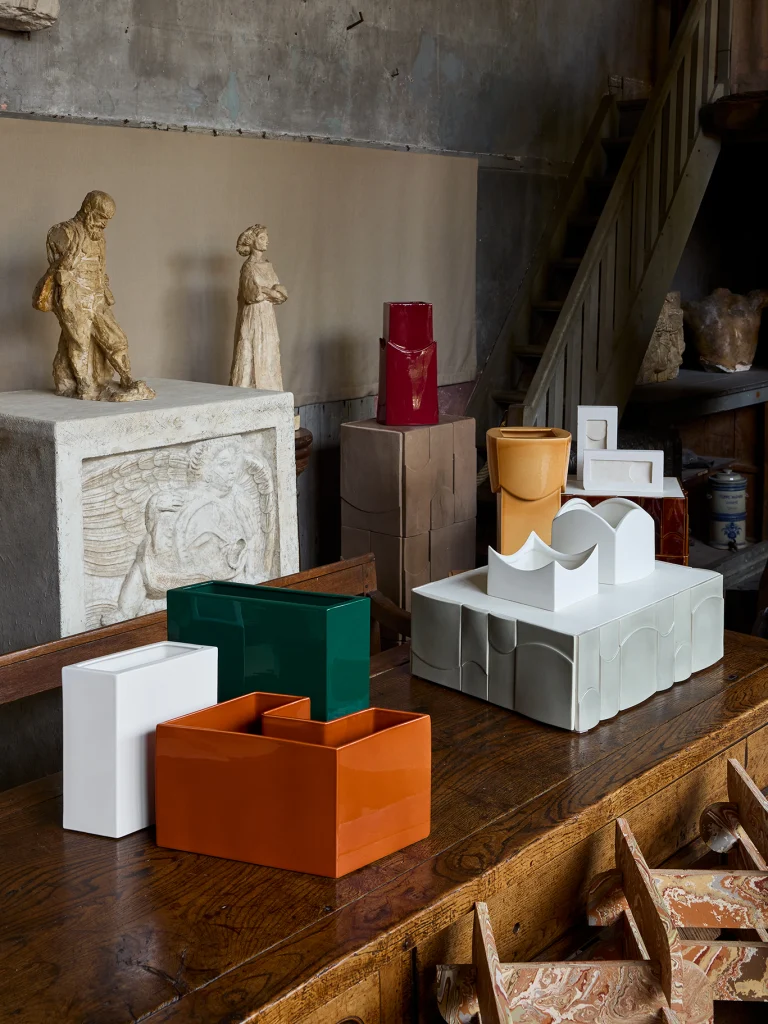
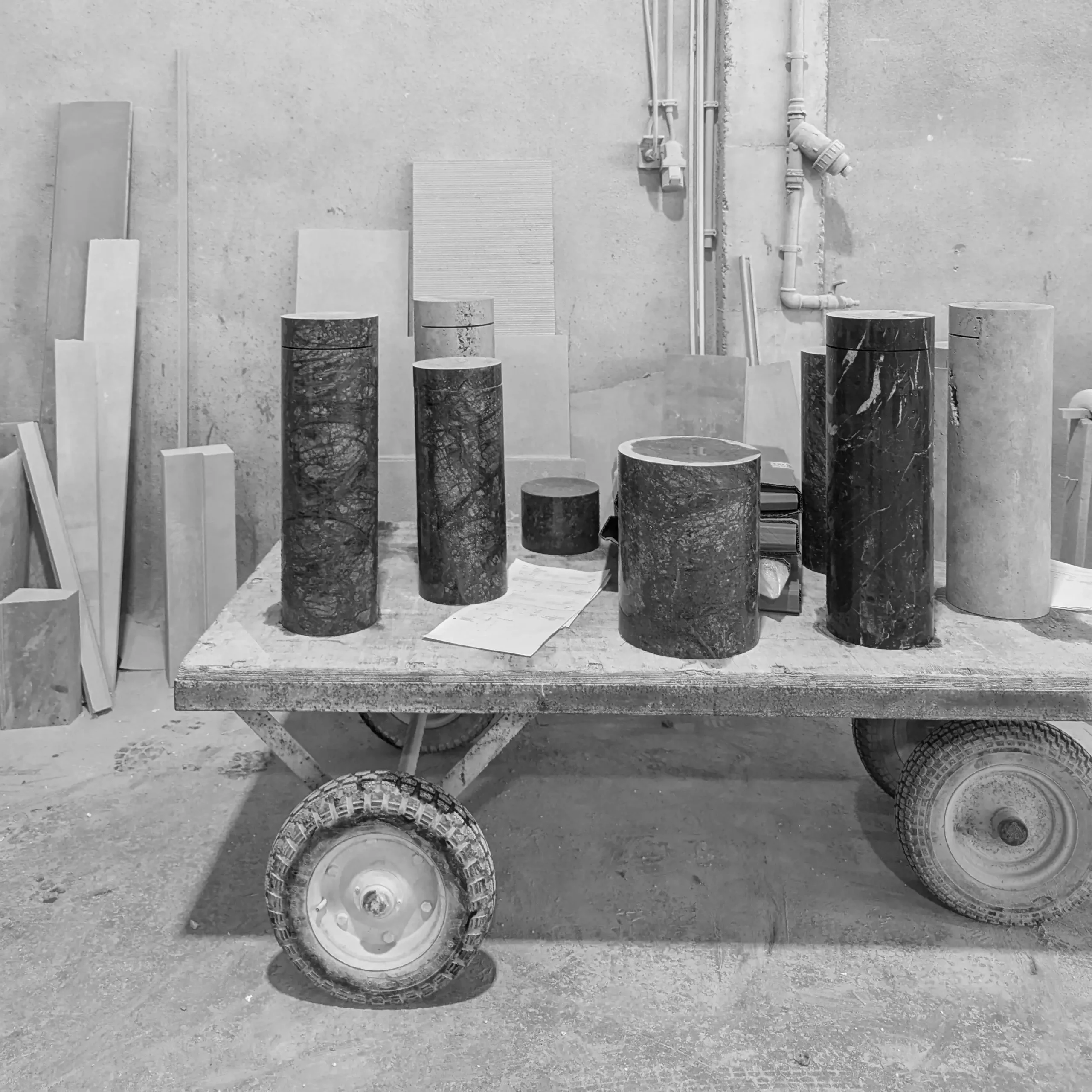
In the sculpture studio — the historic room where Bourdelle worked, with his great worktable — Anthony Guerrée pursues a research into mixed clay, conducted with the Italian manufacture Fornace Brioni. Founded in 1920 and now in its fourth generation, Fornace Brioni upholds an exceptional craft around ‘cotto’, the terracotta made from the clays of the Po plain.

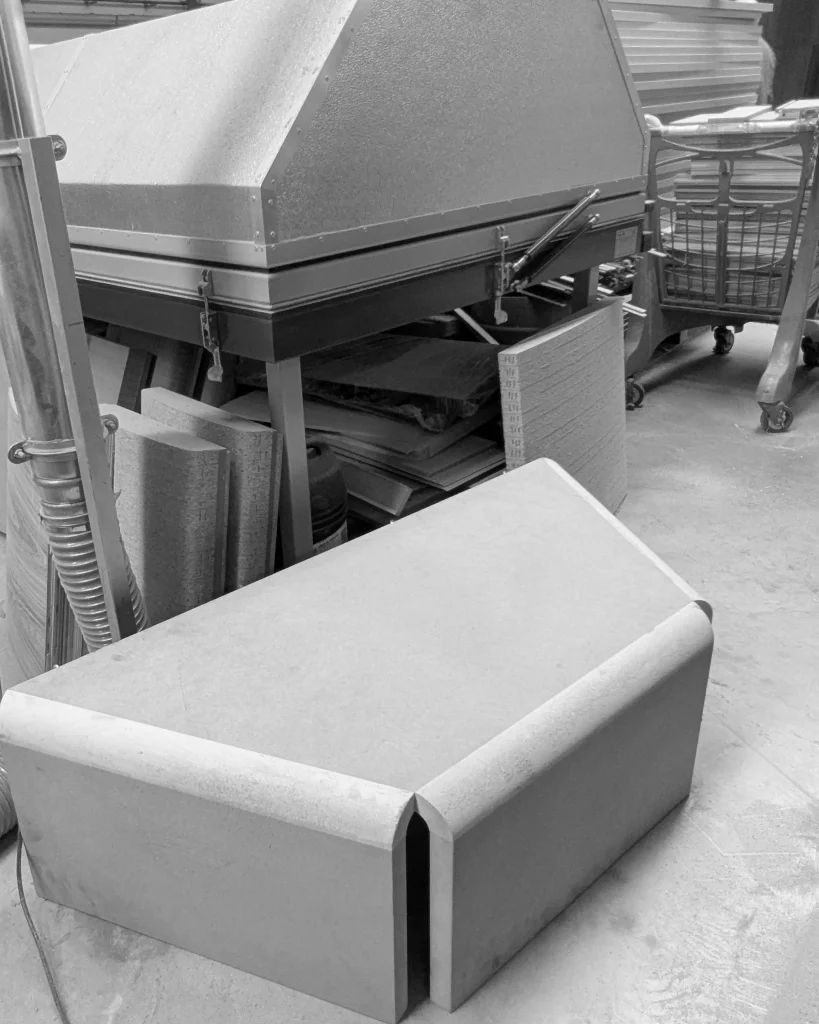
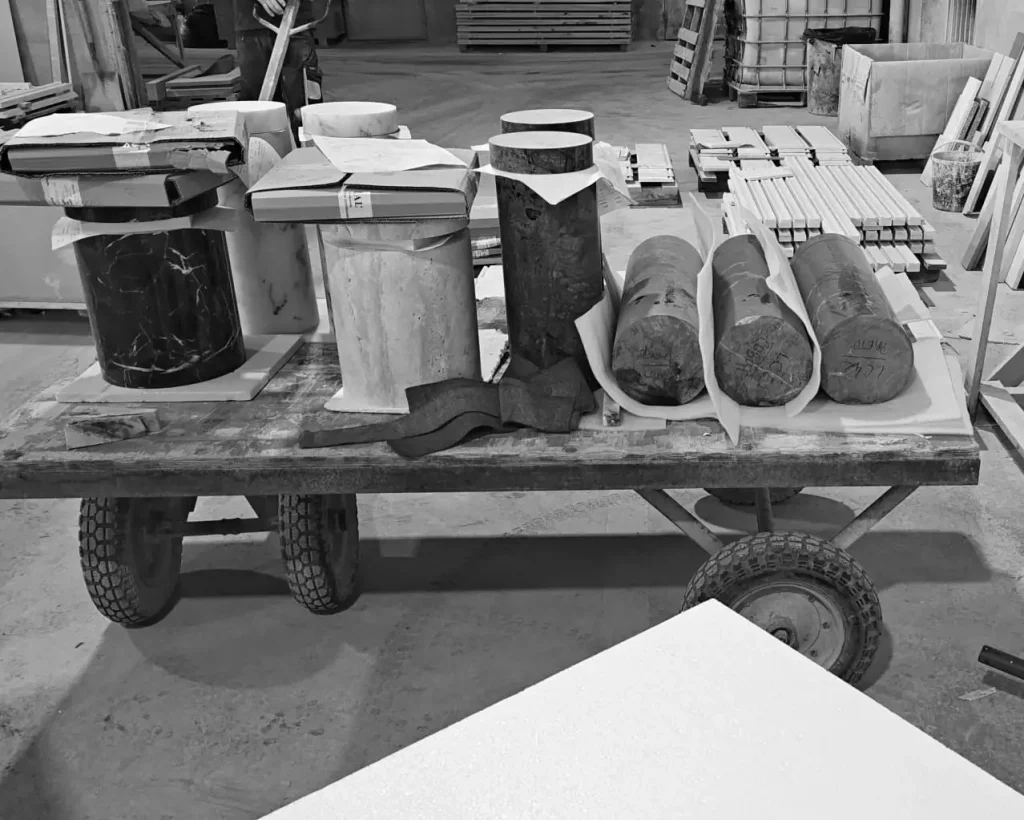
Since 2025, Anthony has developed several collections there — Voluto, Vertigo, Ordo, Echo. Surfaces, modules, objects, but also moulds and matrices, shown on Bourdelle’s table like so many sculptures in negative: the memory of the gesture, the invisible stages of making. A natural dialogue with the sculptor’s work in plaster — one that extends into the museum’s inner garden.

Contrepoint installation, Musée Bourdelle, 8 – 27 September 2026, as part of Paris Design Week 2026.


Design & creation: Anthony Guerrée.
Museum director: Ophélie Ferlier-Bouat.
Project lead: Alice Massé, chief heritage curator.
La Chance × Anthony Guerrée pieces: Orbe daybed, Forma screen, Forma bookcase (new).
Partners & craftsmanship: Tissages de Charlieu (Isabelle Arnardi) · Atelier Toporkoff (stained glass) · Atelier Monier (joinery) · Maison Charles (matrix) · Fornace Brioni (cotto).

The 60-years history of a piece of state furniture

THE 60-YEAR HISTORY OF
A PIECE OF STATE FURNITURE

Post-War French Modernity

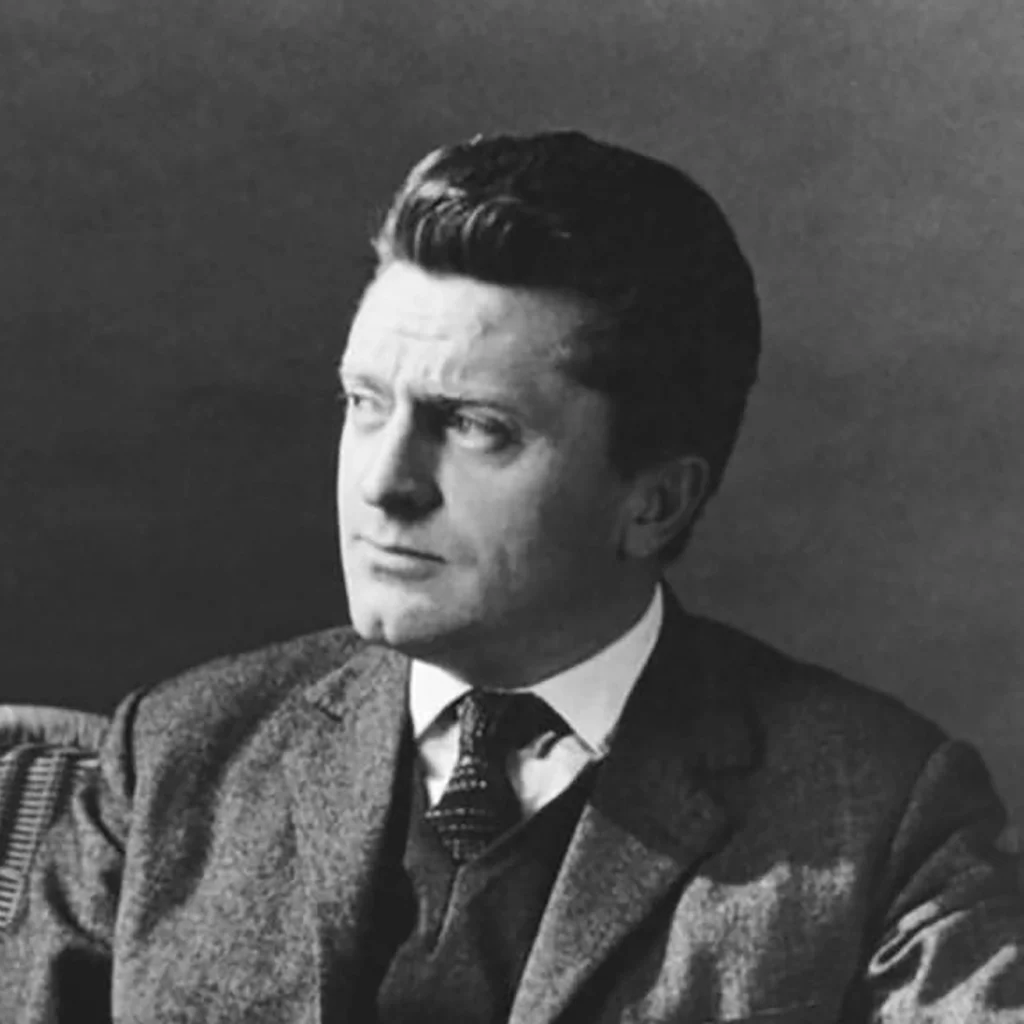
Born in 1925, Joseph-André Motte belonged to the generation that firmly established French modernity in the post-war era. Trained at the École des Arts Appliqués in Paris, he championed a simple principle early on: a clear design, a constant attention to materials, and a modernity achieved as much through construction as through form.

In the France of the Trente Glorieuses (the thirty years of post-war economic boom), the State built quickly and on a large scale, and design became a tool to make this modernity visible and cohesive. New administrations, new prefectures, transport networks, cultural facilities: it was a period of conquest where modernity had to be visible, cohesive, and enduring—right down to the furniture

From Major Public Projects to the Daily Lives of the French

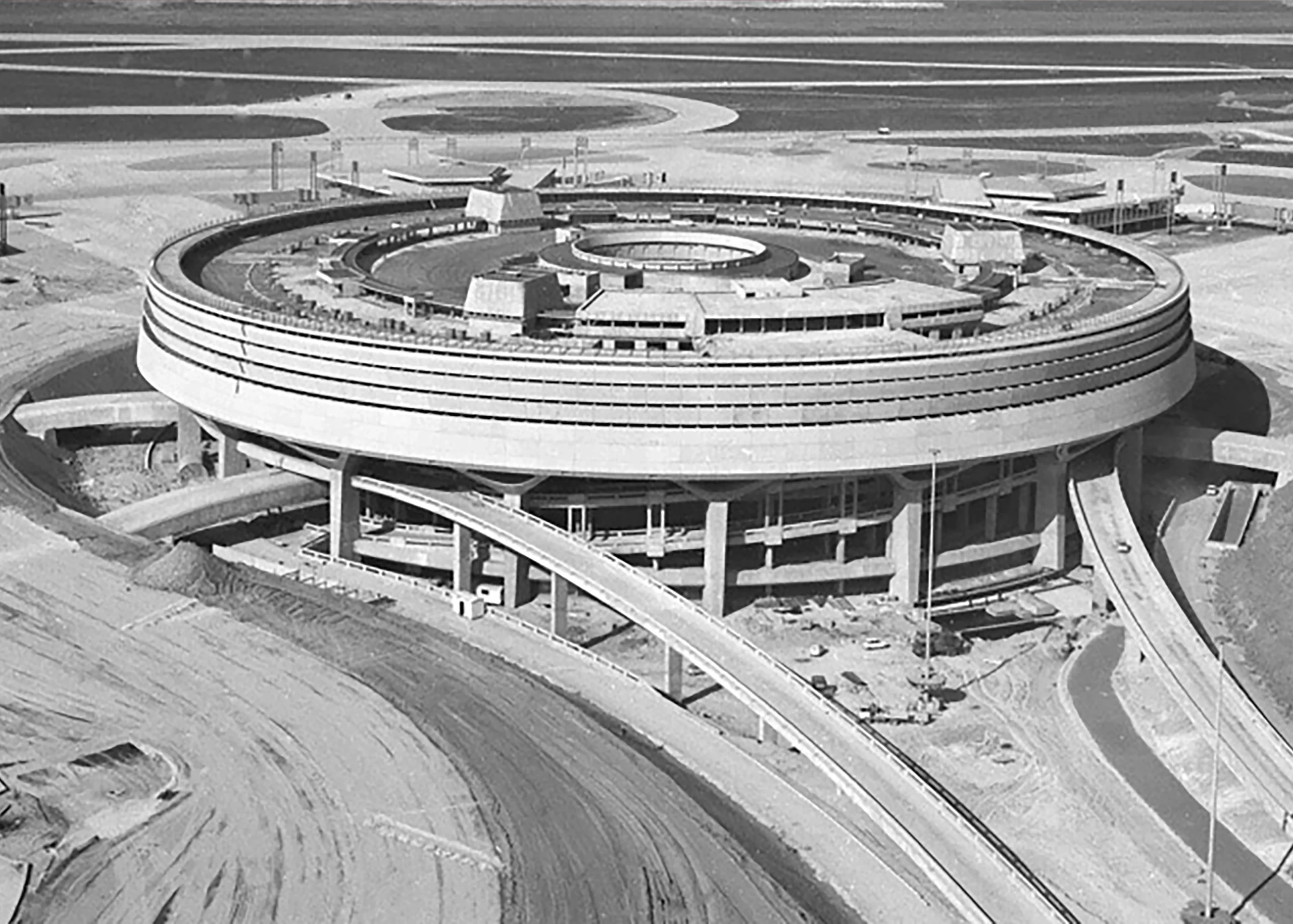
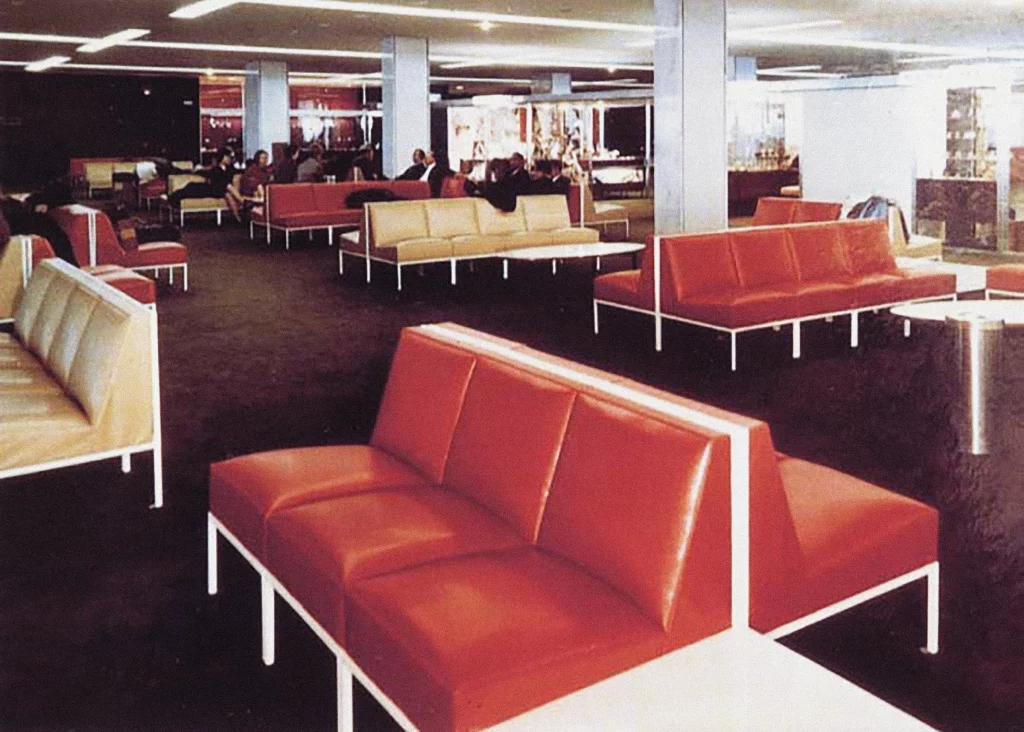
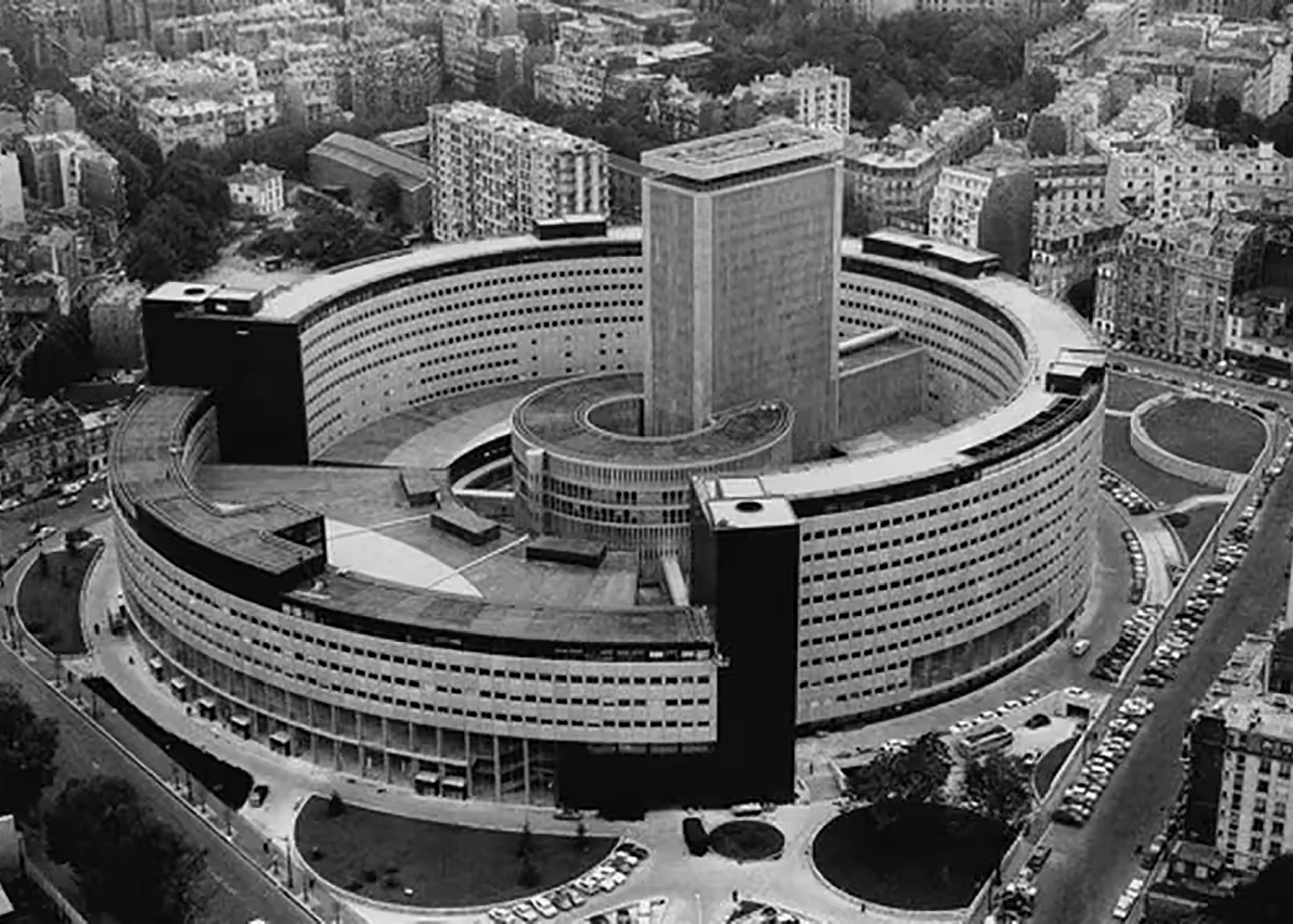
Joseph-André Motte‘s career unfolded across two complementary fields. On one hand, he participated in the State’s most prestigious projects: the interior design of the Orly airport terminal in the late 1950s, the Maison de la Radio in 1962, and the interior design direction for the Roissy-Charles-de-Gaulle airport terminal starting in 1969.

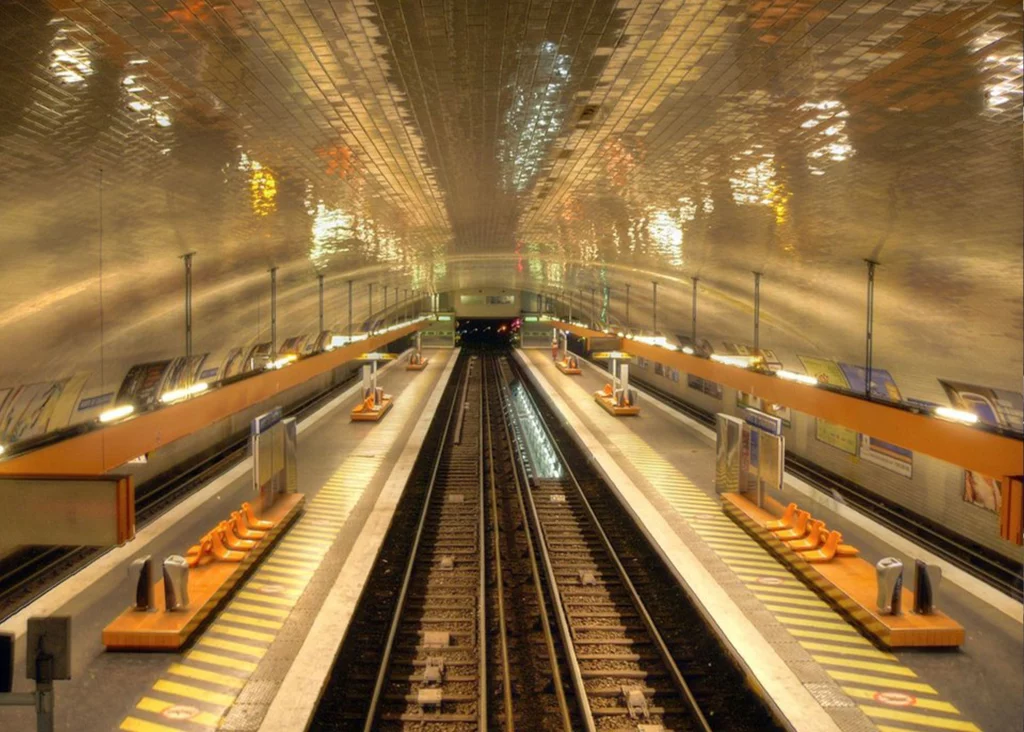
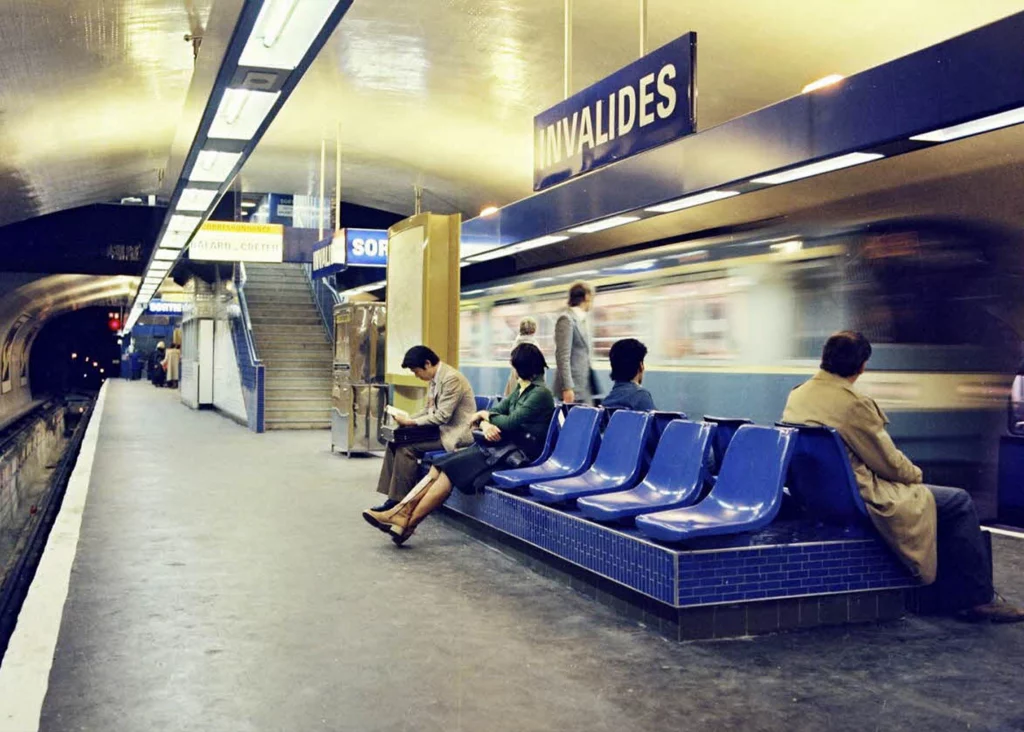
On the other hand, he transformed the daily lives of the French through his work for the Paris Metro. Rolled out between 1973 and 1983, the famous “Motte Style” combined beveled white tiles, lighting fixtures, and the iconic brightly colored shell seats to humanize and bring rhythm to the journeys of millions of travelers.

The Birth of an Institutional Table

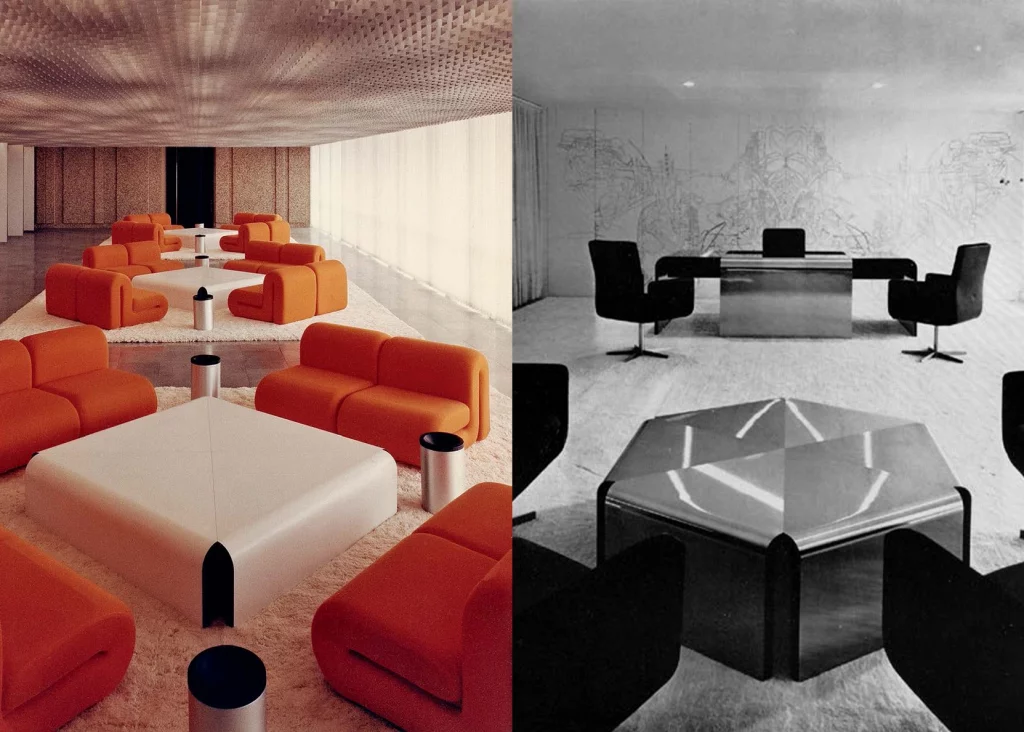
It was within this context of major State commissions that, in 1967, the Mobilier National entrusted Joseph-André Motte with the design of a set of institutional furniture. The objective was clear: to create a sober, demanding modernity designed to endure over the long term of institutions.

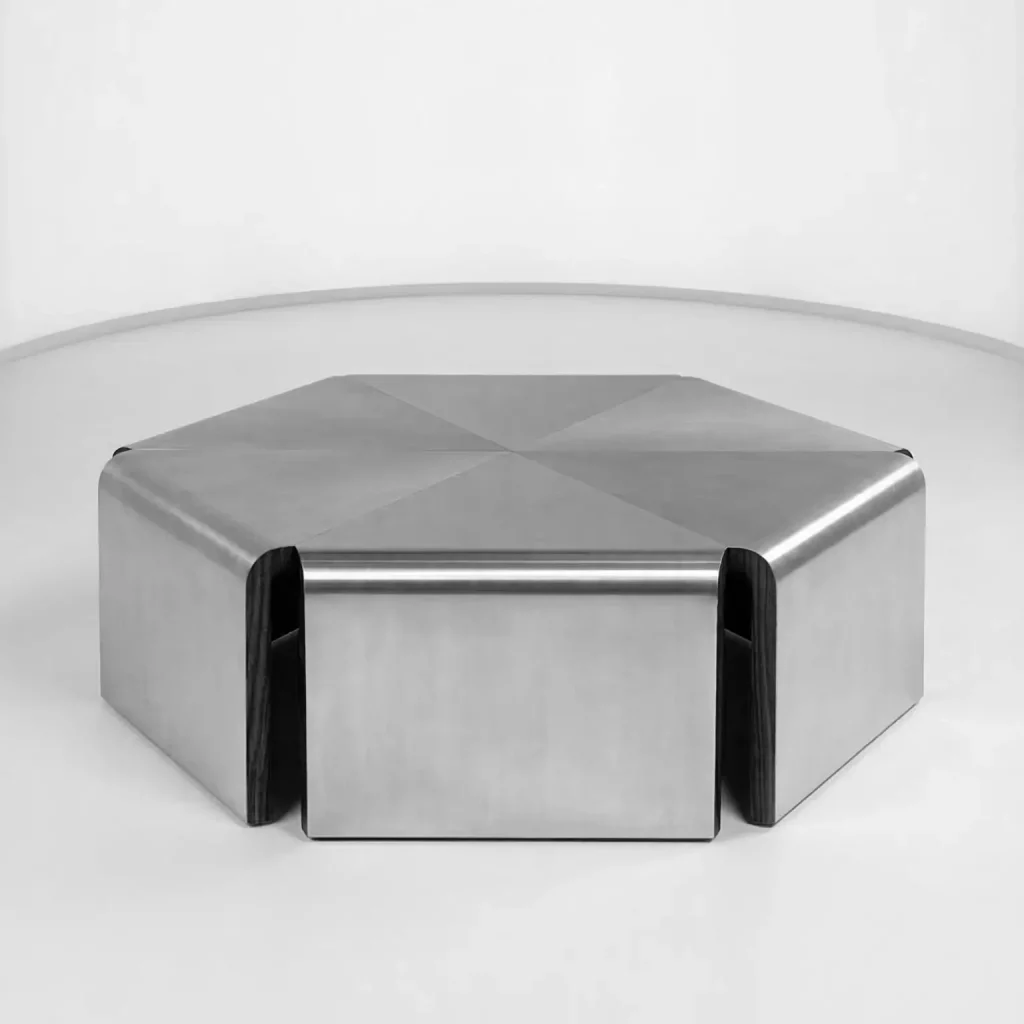
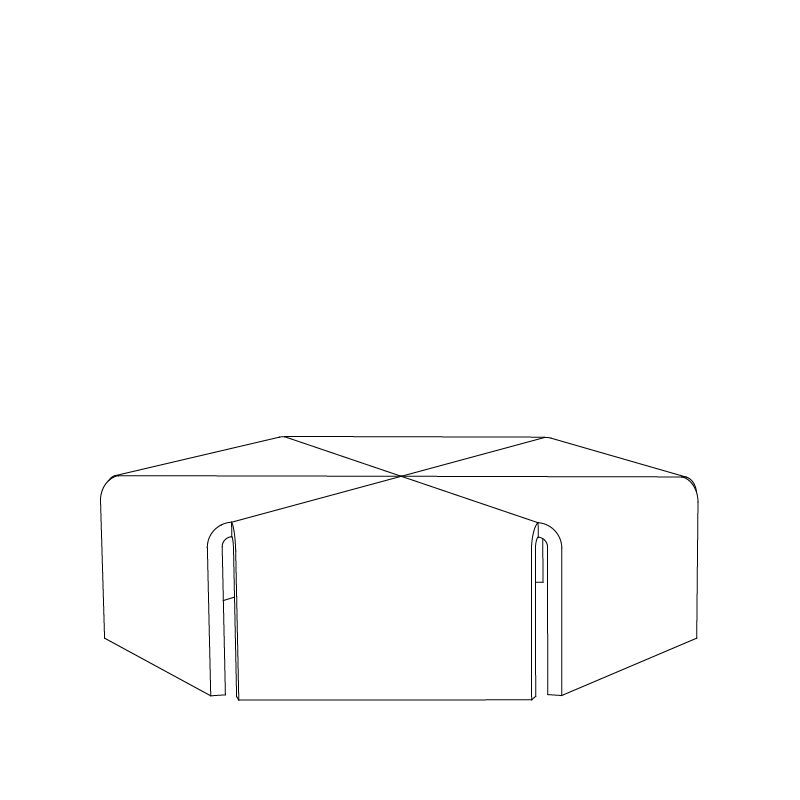
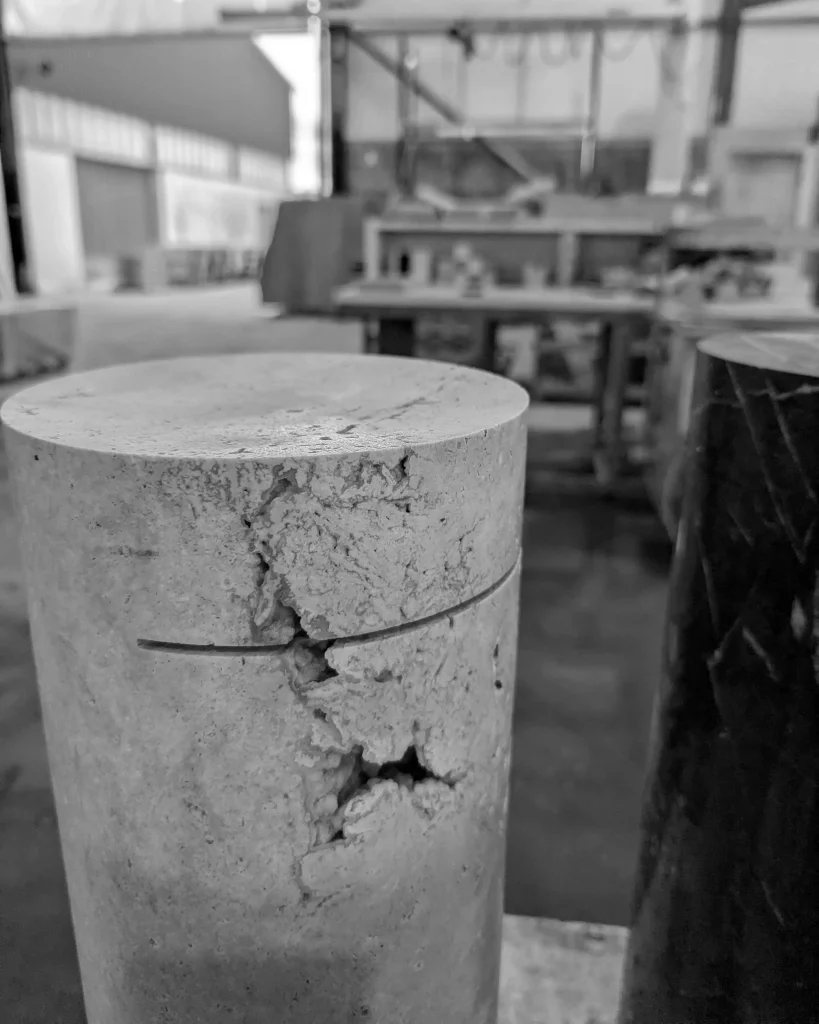
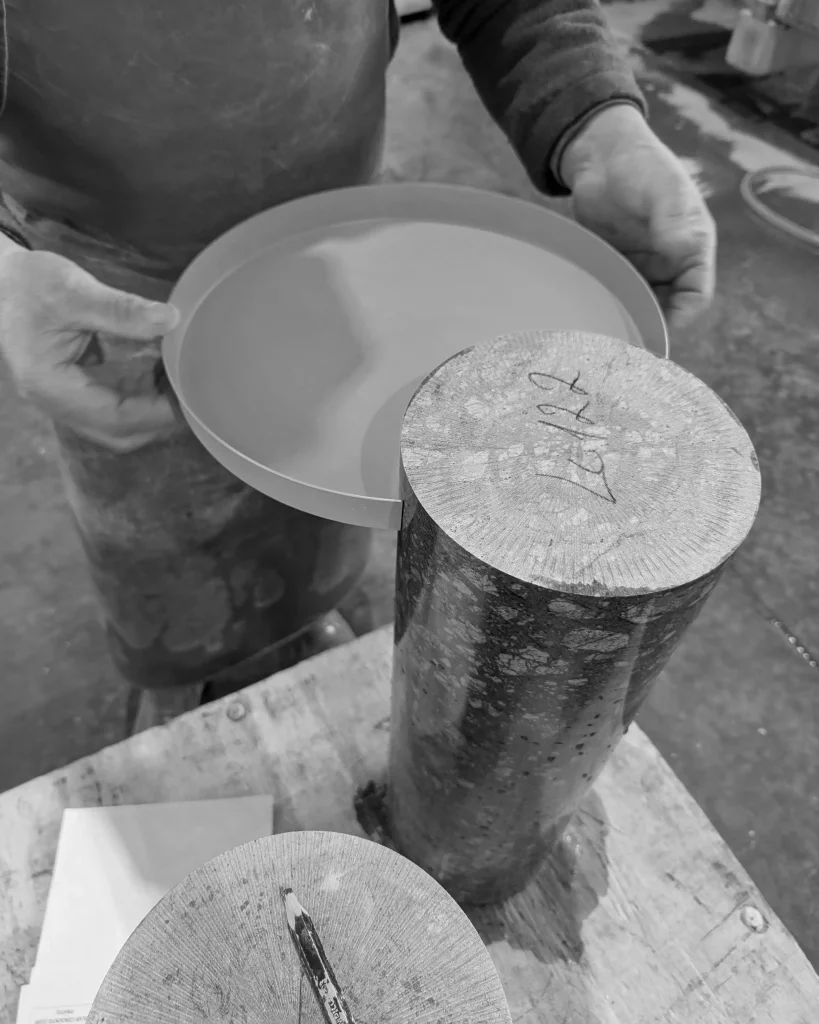
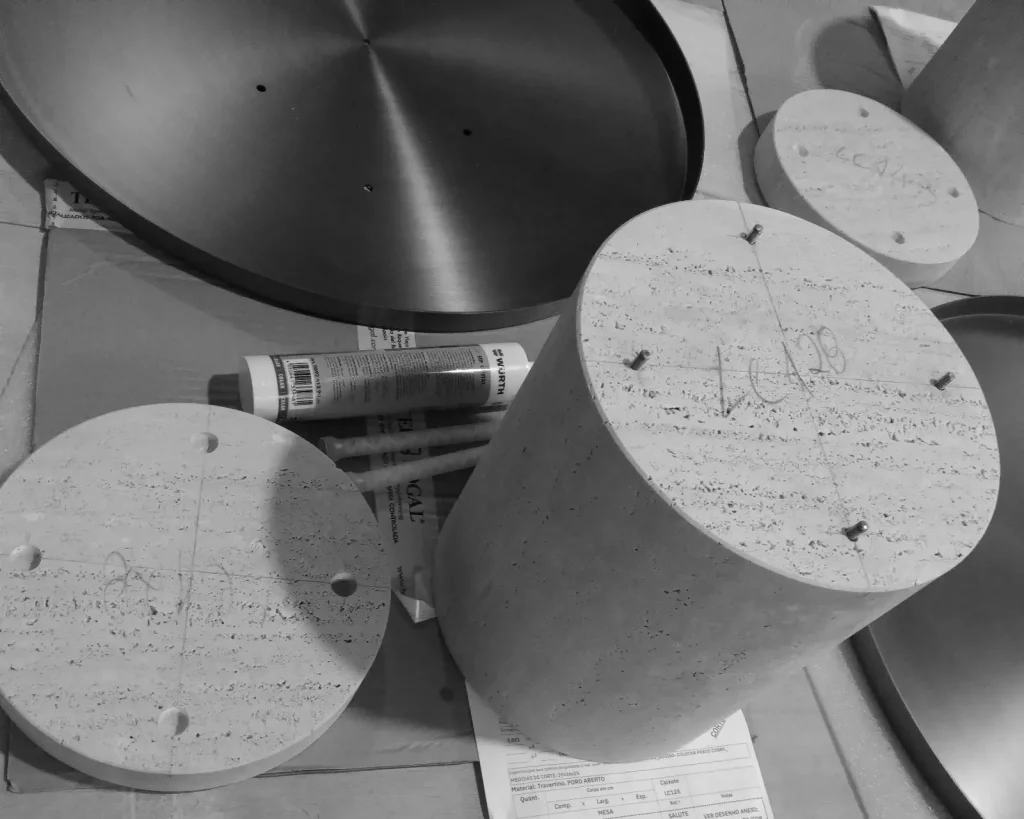
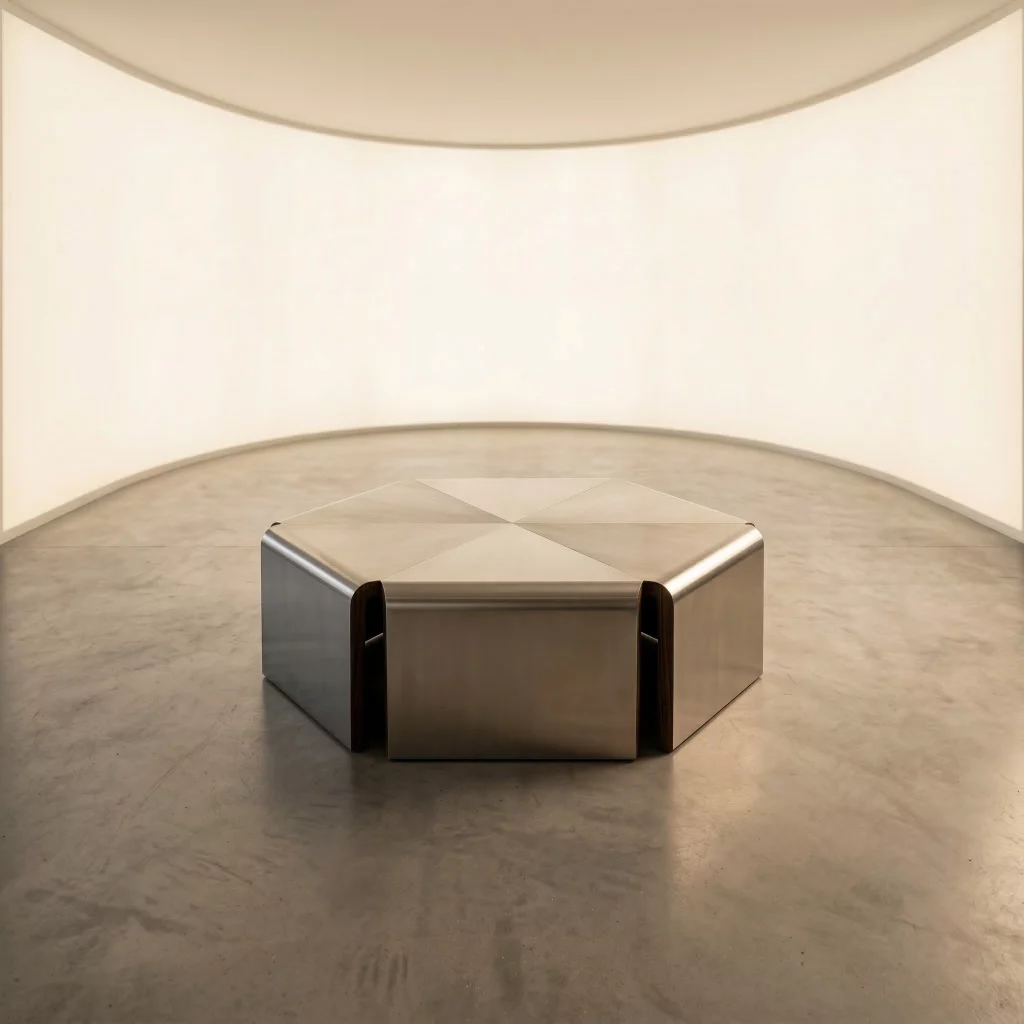
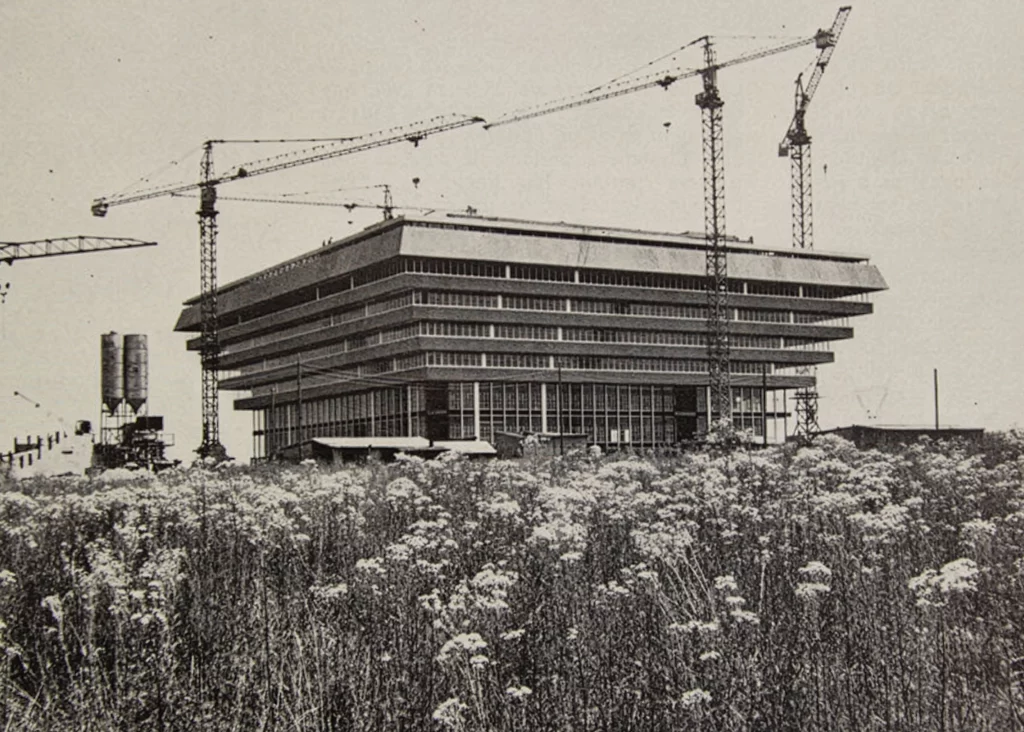
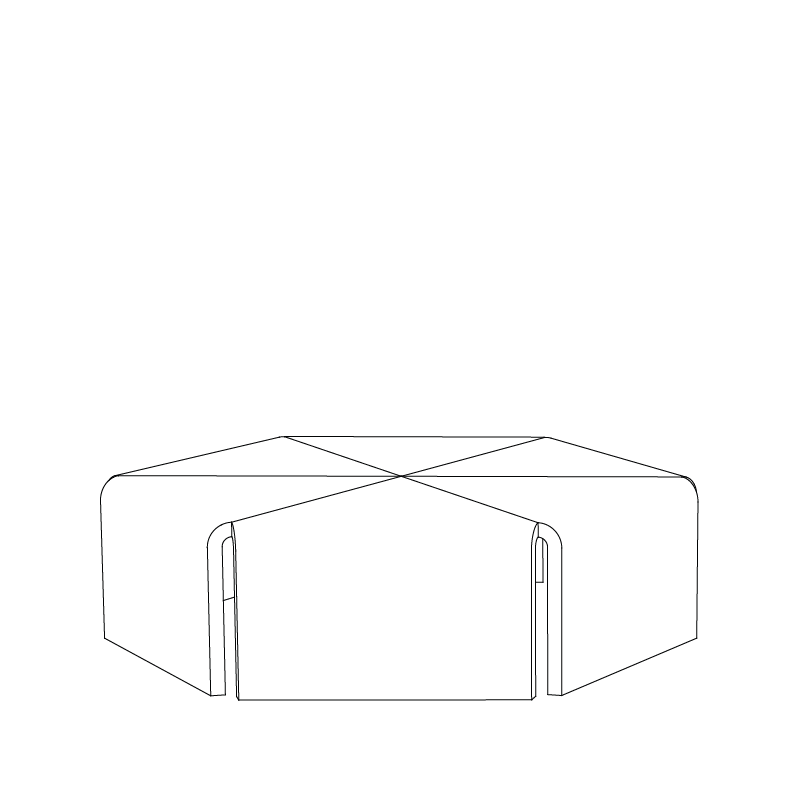
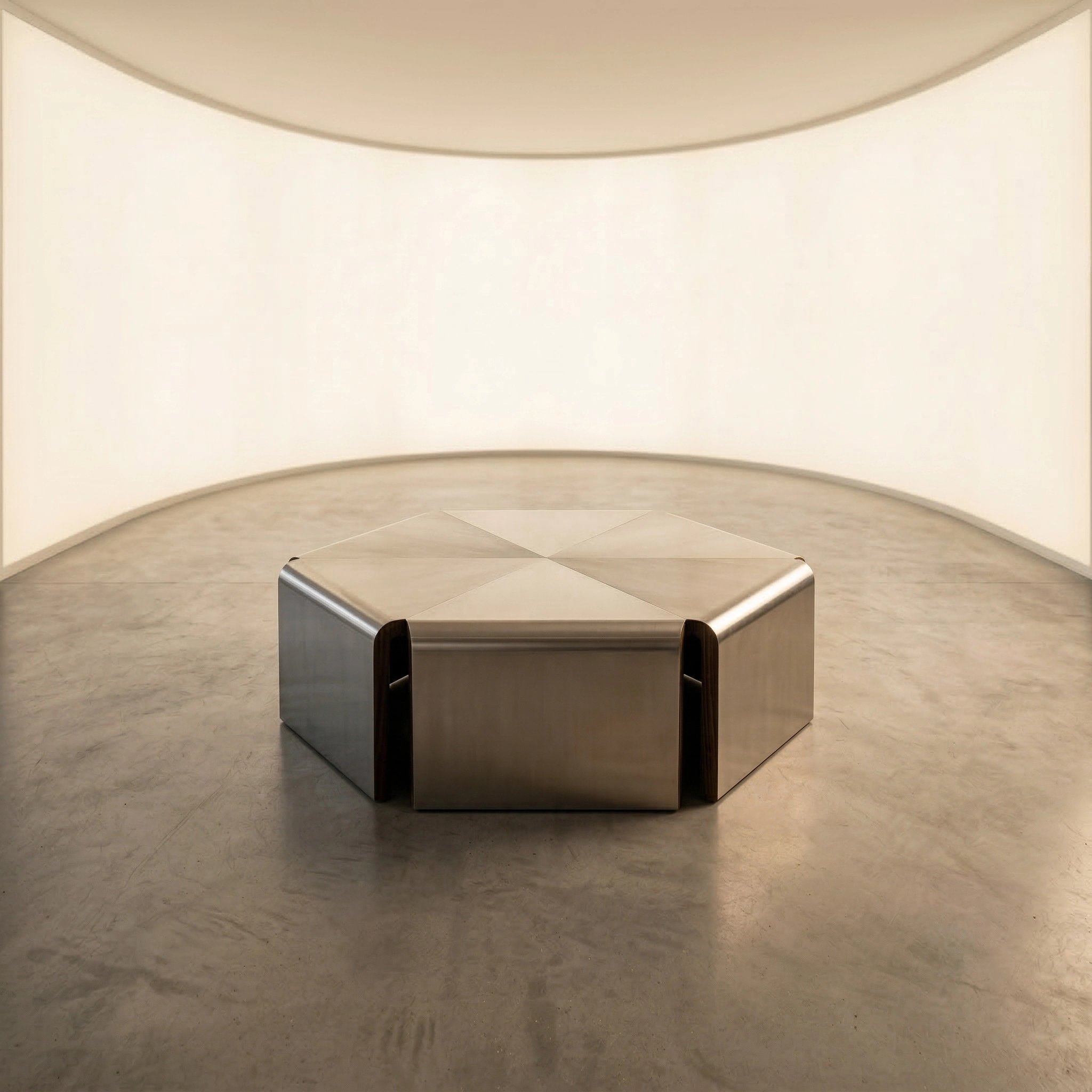
From this commission was born a hexagonal table of rare formal rigor, inventoried under the name GMC 26. As early as 1968, this furniture set was installed in the offices of the Prefect of Val-d’Oise, in Cergy-Pontoise. This manifesto building, designed by architect Henry Bernard in the shape of an “inverted pyramid,” housed Motte’s table in the Prefect’s private office. For nearly sixty years, this table has circulated among the palaces of the Republic and is currently located in the private apartments of the Presidency of the National Assembly at the Hôtel de Lassay.
ASSOCIATED PRODUCT

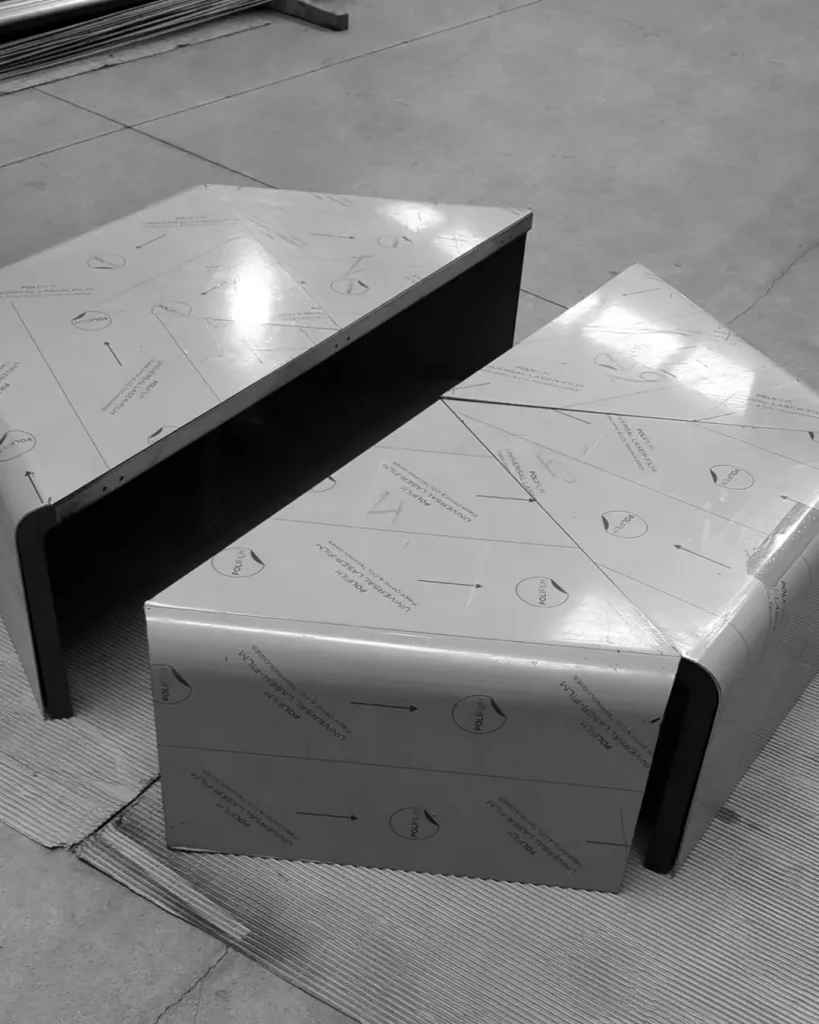
HEXA 67
coffee table

Exposition d’Hiver

EXPOSITION D'HIVER

La Chance settles into its new gallery on rue de Richelieu. From January 15 to March 1, the house presents a curated selction of new works – furniture, objects, and lighting – alongside a dsiplay of artworks developed in collaboration with Galerie Ketabi Bourdet, conceived as a natural dialogue
with the pieces on view. The exhibition also marks the unveiling of limited-edition works producedin the Parisian workshop integrated within the gallery.
Photo credit: Francis Amiand

La Chance continues its collaboration with
French designer Anthony Guerrée

The January presentation highlights the ongoing dialogue between La Chance and Anthony Guerrée, through pieces in which form remains legible while material carries the core of the narrative.

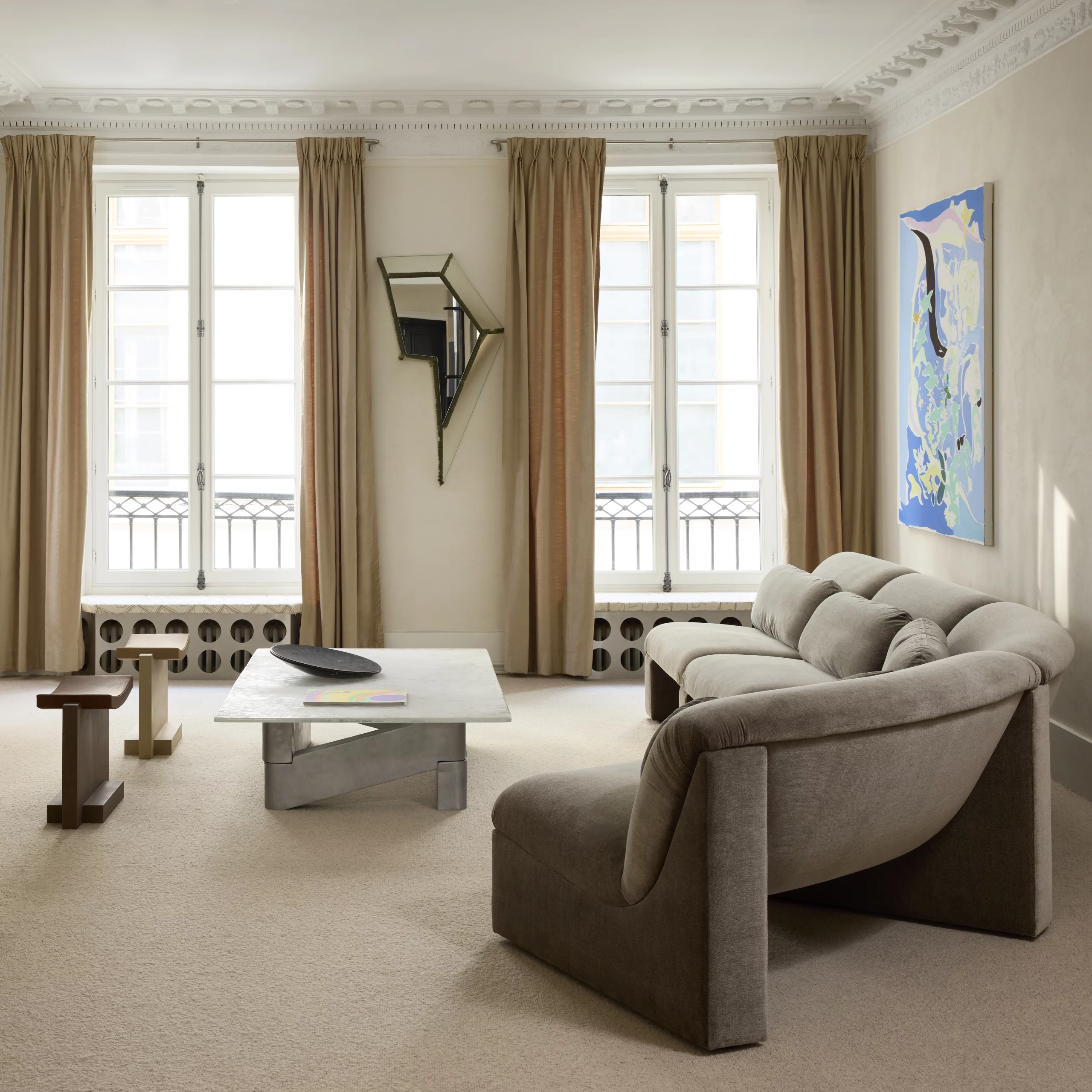
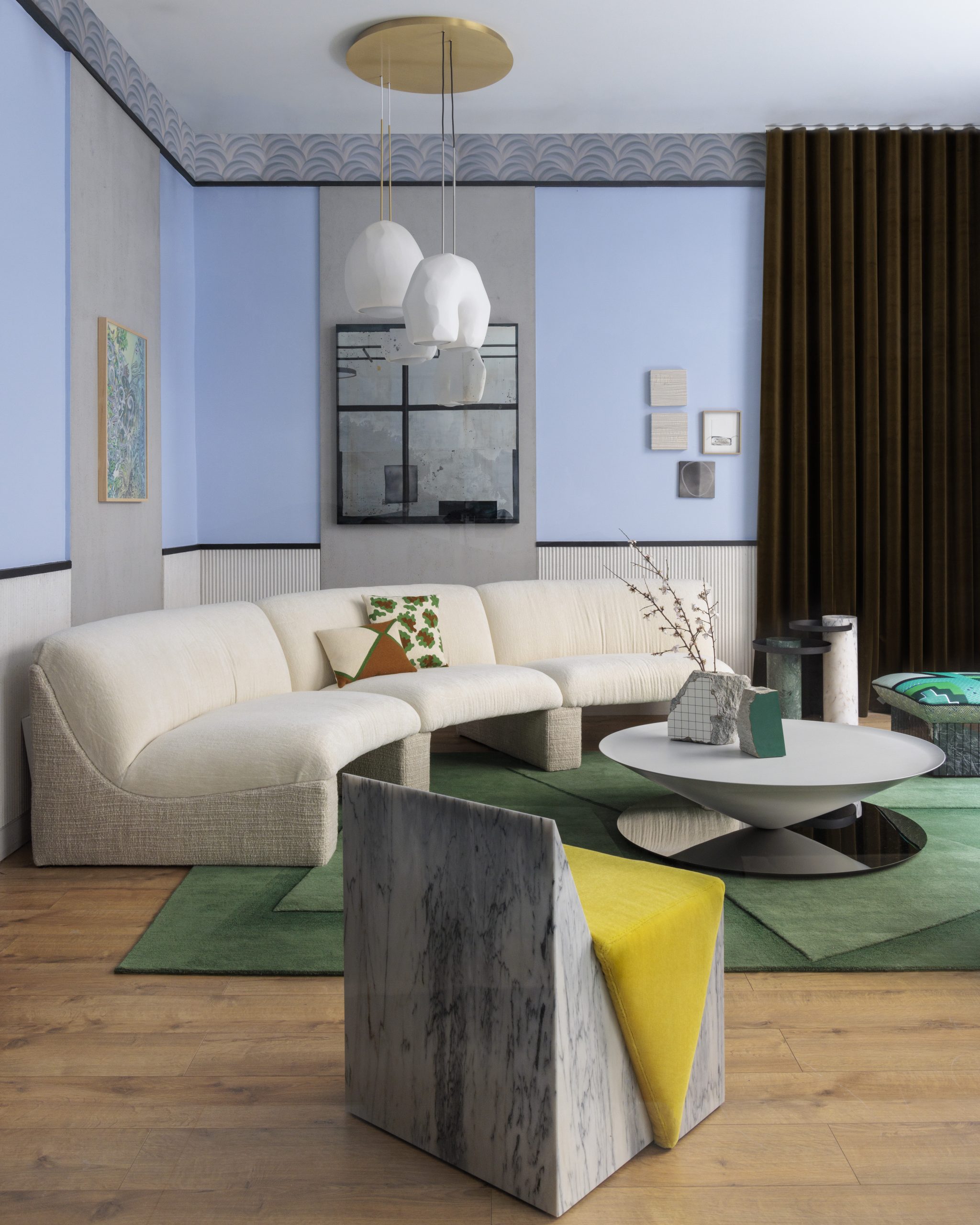
With Eclipse in its round version, the table asserts an almost ceremonial presence: an “offering table” resting on a wide, stable, deliberately massive base that echoes the architectural spirit of
the line. The black-and-white cerused wood finish, inspired by certain Art Deco references, introduces a subtle graphic contrast—at a distance, rigor; up close, a surface treatment that catches the light
and reveals the hand.

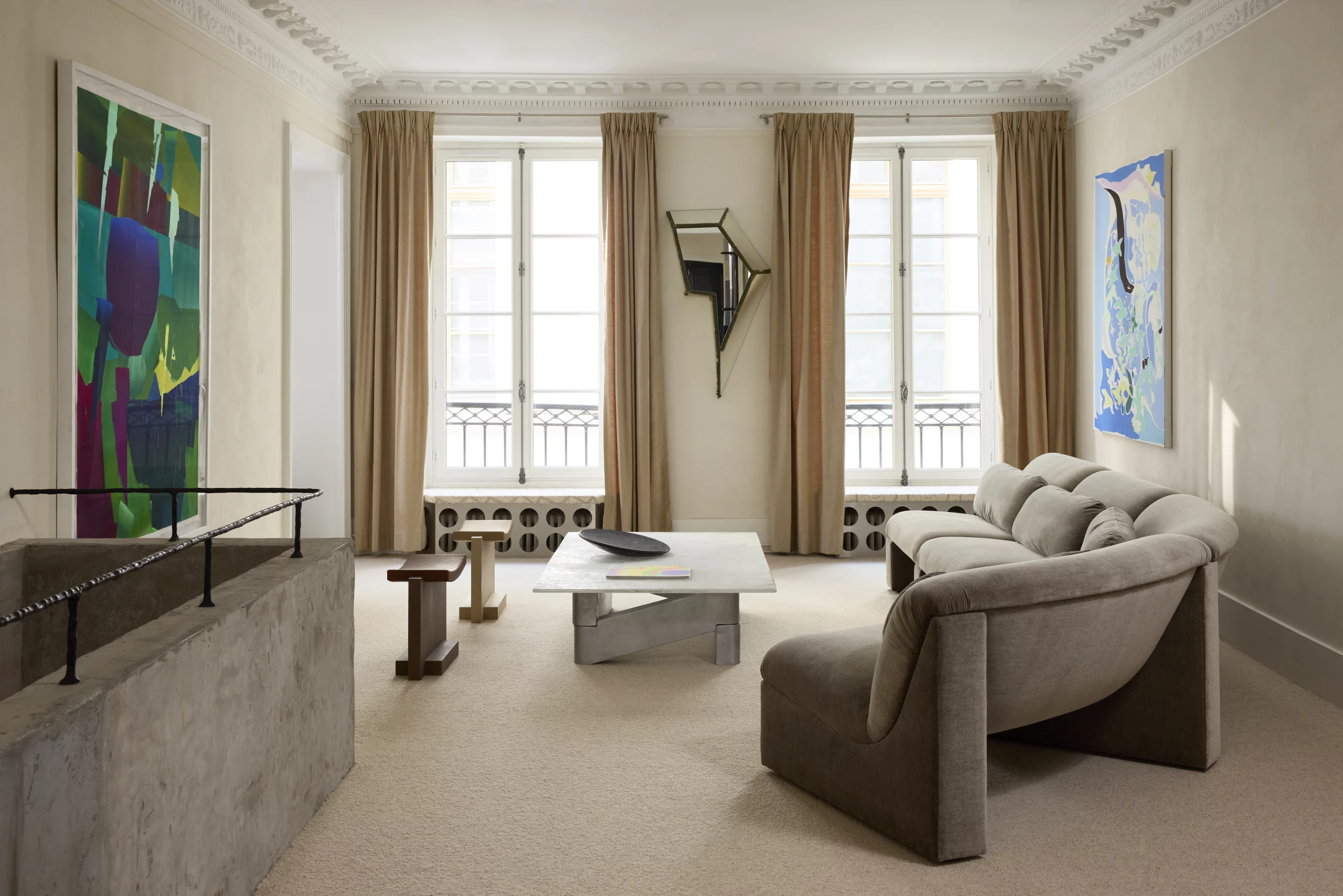
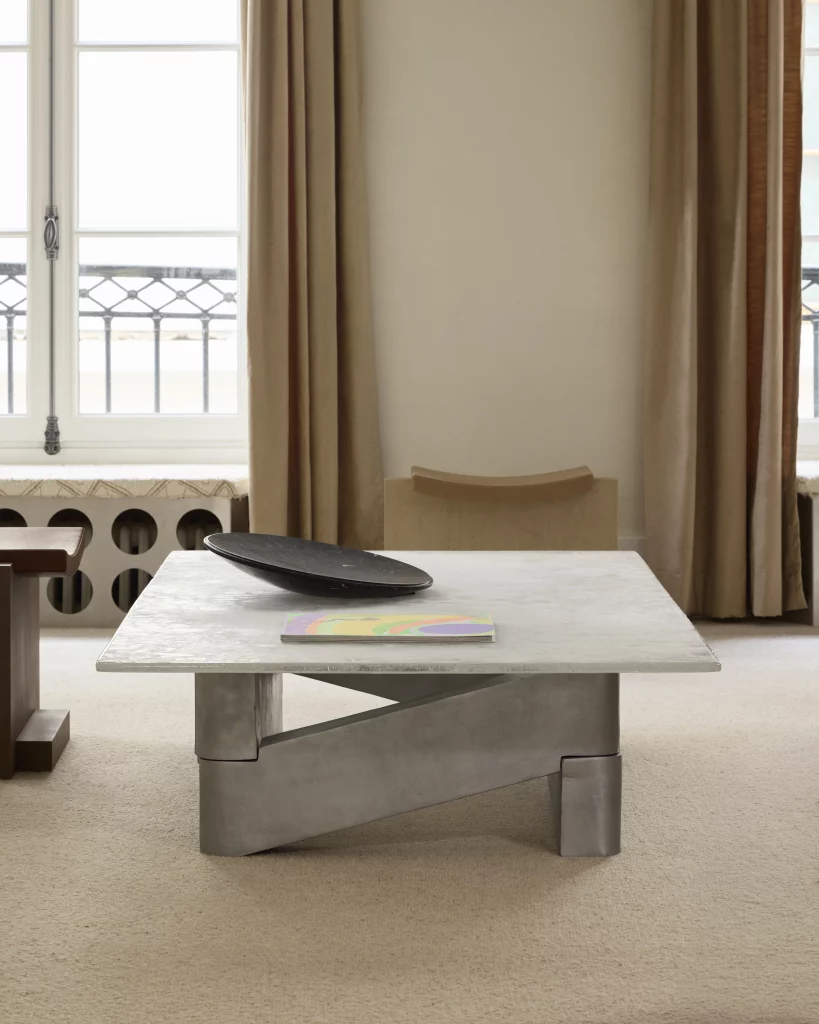
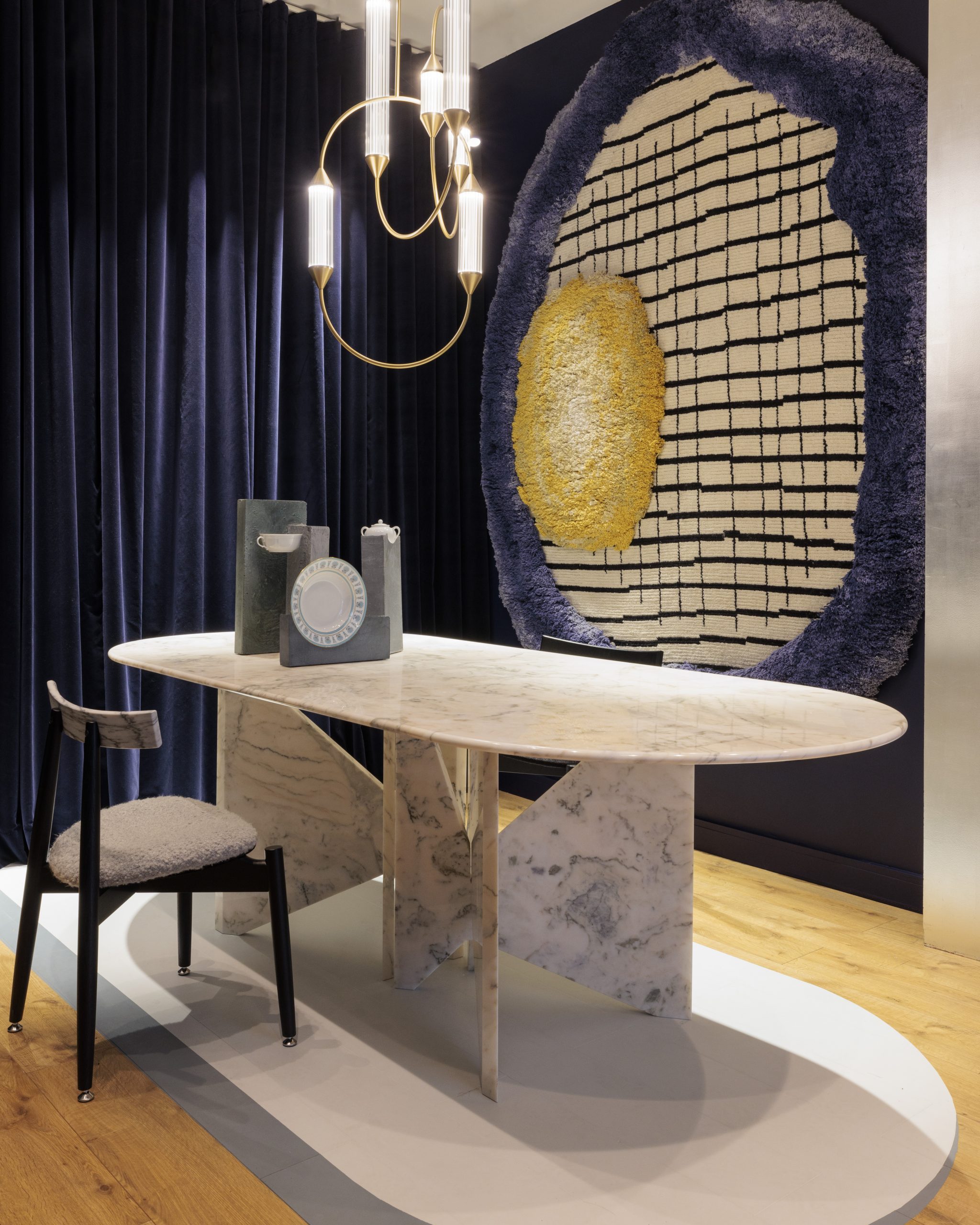
Marfa is revealed in a new version, featuring a double-fused
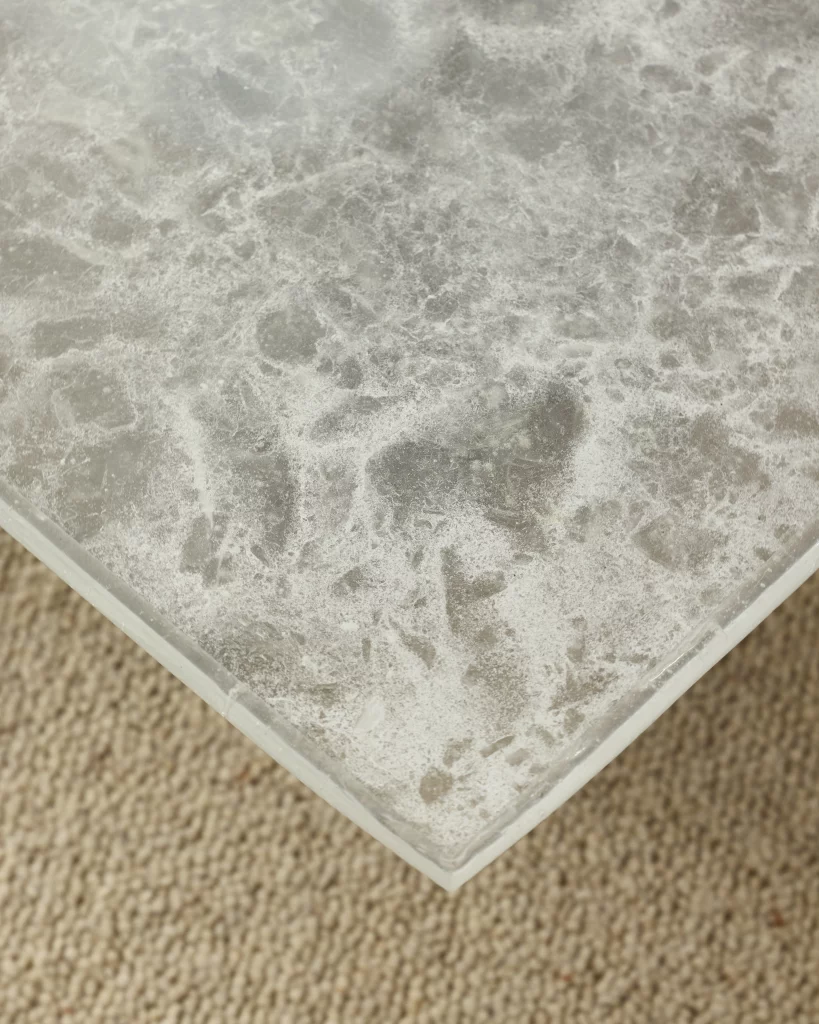
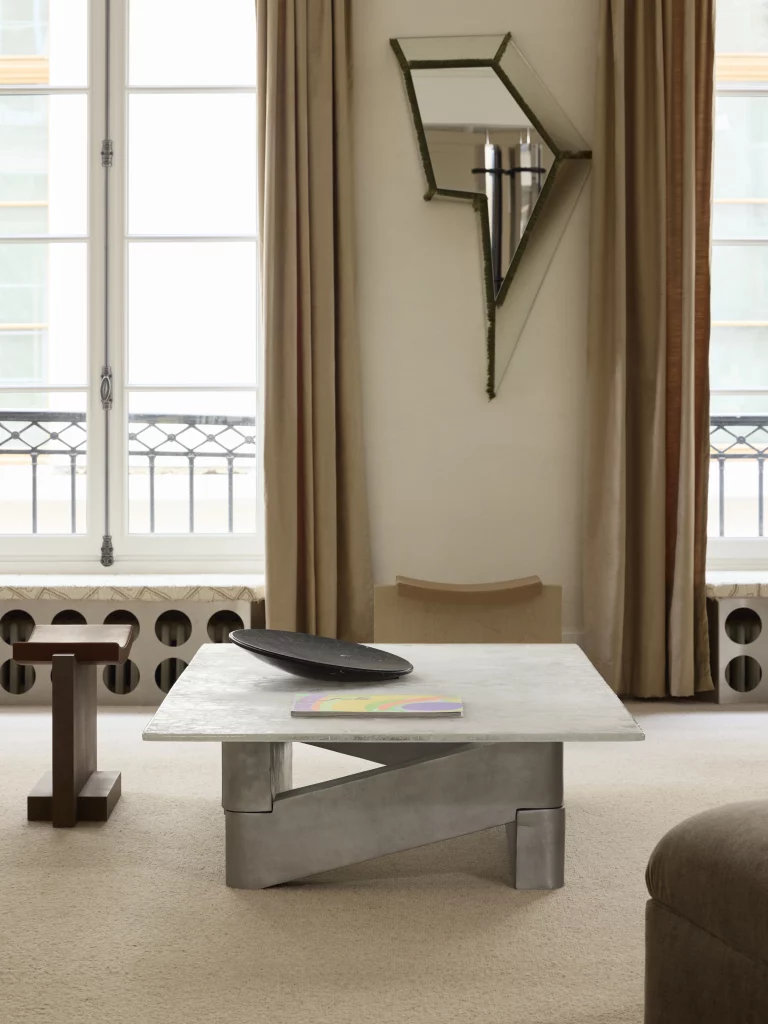
Murano glass top that evokes an “icy” materiality, seemingly frozen in transparency. Its deliberate irregularities become an optical quality—a living relief, far removed from industrial neutrality. The aluminum base, with its raw, cast-like character, anchors the piece in a direct sense of nobility. Here, upcycling is not a label but an aesthetic: a way of elevating transformation into a language.
La Chance welcomes a new Copenhagen-based studio

The gallery also presents the Para stools by Christian+Jade,
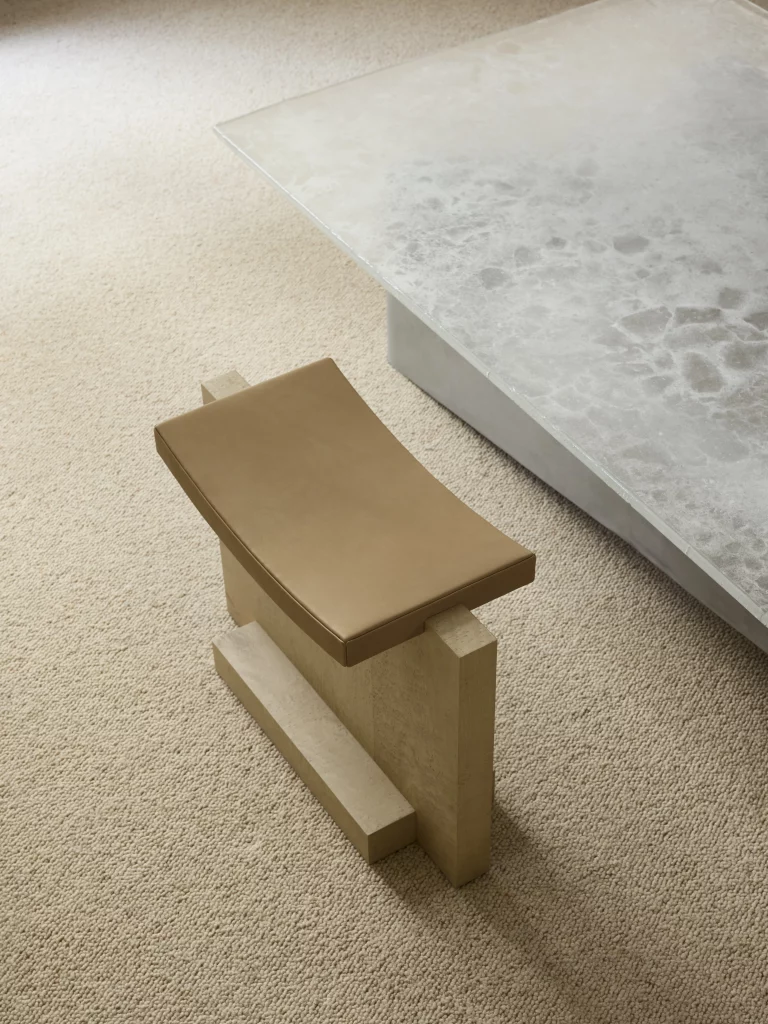
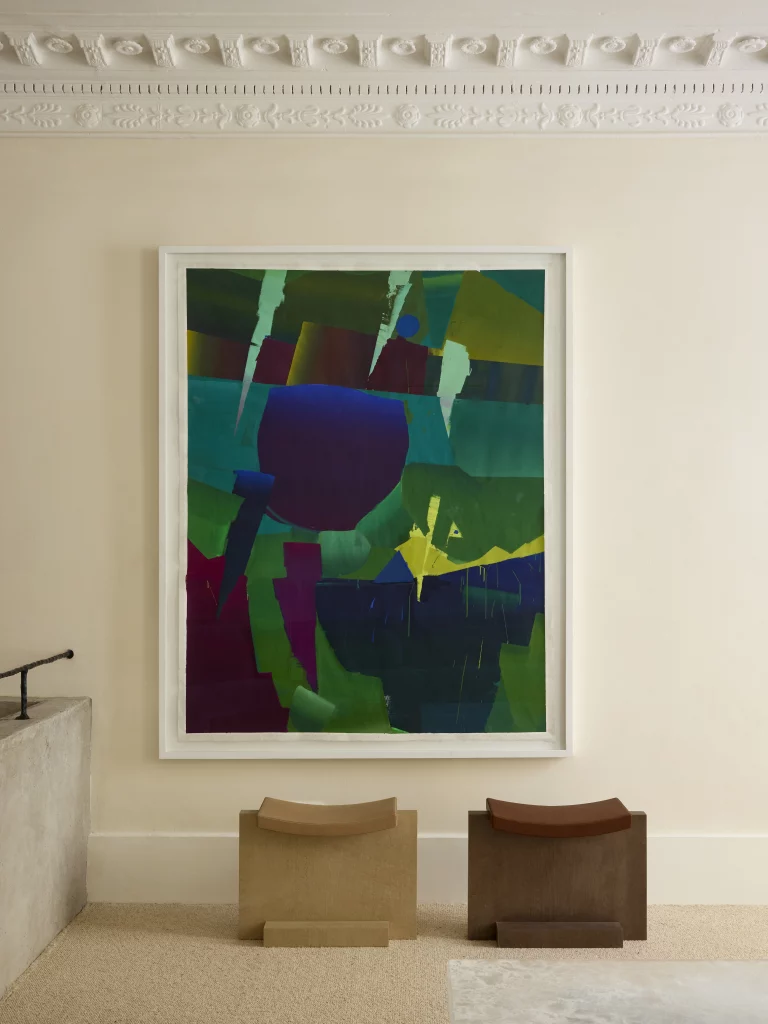
a Copenhagen-based studio. Their work employs a deliberately elementary vocabulary, constructed through the intersection of simple forms. Nothing is demonstrative; everything lies in the precision of proportions and the quality of execution. Spalted maple, leather seating, available in two natural tones—this radical simplicity allows no compromise, which is precisely what makes it desirable.

New works and pieces by the founders of La Chance

This January presentation is also an opportunity to discover several pieces authored by the founders themselves, where the object flirts with sculpture without ever losing its function.

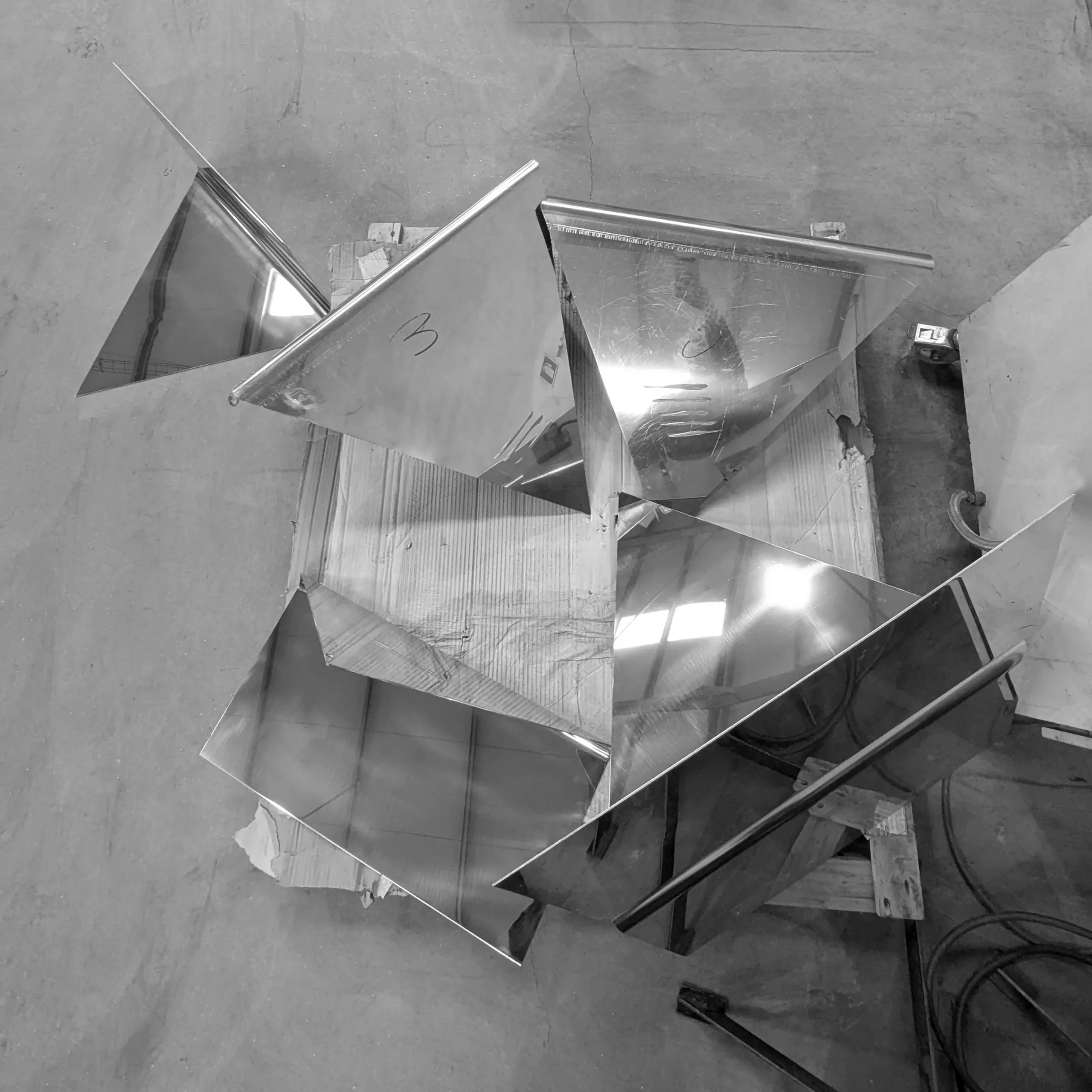
With Rift, Louise Breguet introduces a volumetric mirror conceived as a limited-edition sculptural piece. Metal engages in dialogue with passementerie in a three-dimensional composition: reflection is no longer a surface, but a presence—an object that occupies space as much as it opens it.

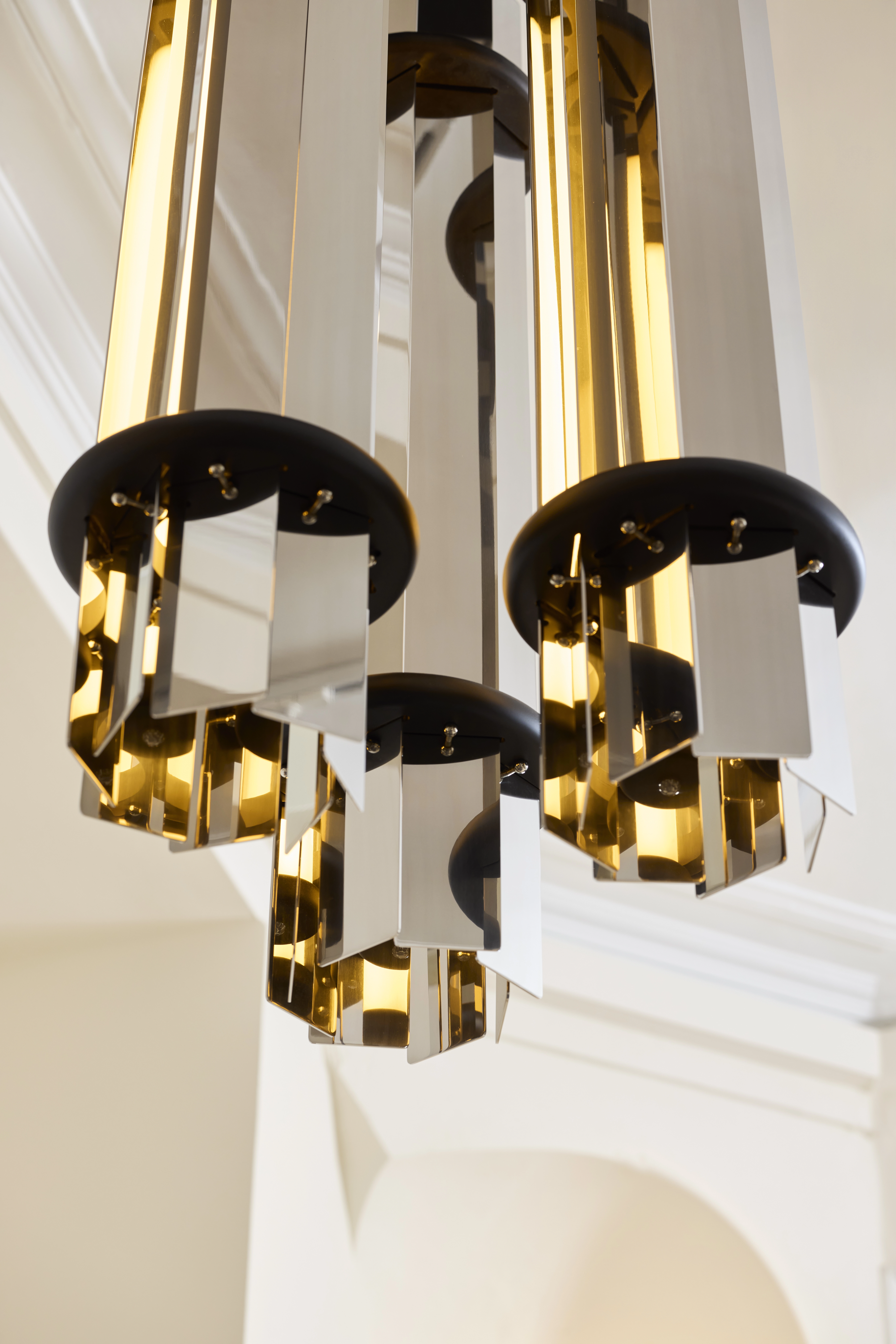
The Iris lamp, designed by Jean-Baptiste Souletie, is presented for the first time in several versions. It is an ode to metal and its facets edges, reflections, tensions—like a piece of jewelry scaled for domestic space. Shown in chromed metal (triple version) and brushed brass, the lamp offers two interpretations of the same principle: a structured, precise light, never decorative in the superficial sense.

The Tower vase collection explores an almost physical relationship between transparency and opacity. Crystal disrupts perception, marble abruptly halts it: the ensemble plays with distortion, as if viewing a mineral depth through a shifting wave.

La Chance New Gallery

LA CHANCE NEW GALLERY

La Chance has inaugurated its new space in the heart of Paris, at 60 rue de Richelieu, Paris 2e arr.

Located between Palais Royal, the Richelieu Library, and Place des Victoires, the new address sits at the crossroads of Paris’s most vibrant cultural and creative district. Surrounded by design galleries, fashion houses, textile editors, flagship stores, and renowned restaurants, the neighborhood embodies a lively balance of tradition and innovation—an atmosphere that mirrors La Chance’s spirit.

Photo credit: Francis Amiand

Ground floor: Material Immersion

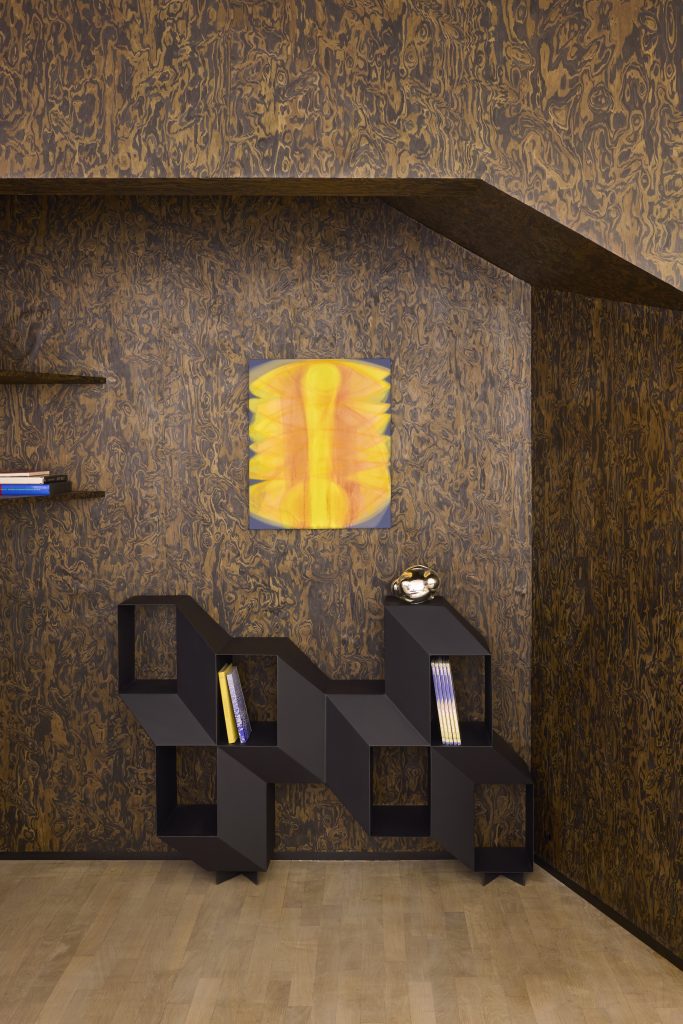
From the street, the gallery immediately draws visitors in with a nine-meter illuminated wall casting a soft glow across sculptural volumes clad in graphic wood veneers—somewhere between a tribute to Ettore Sottsass and the rigor of Jean-Michel Frank.

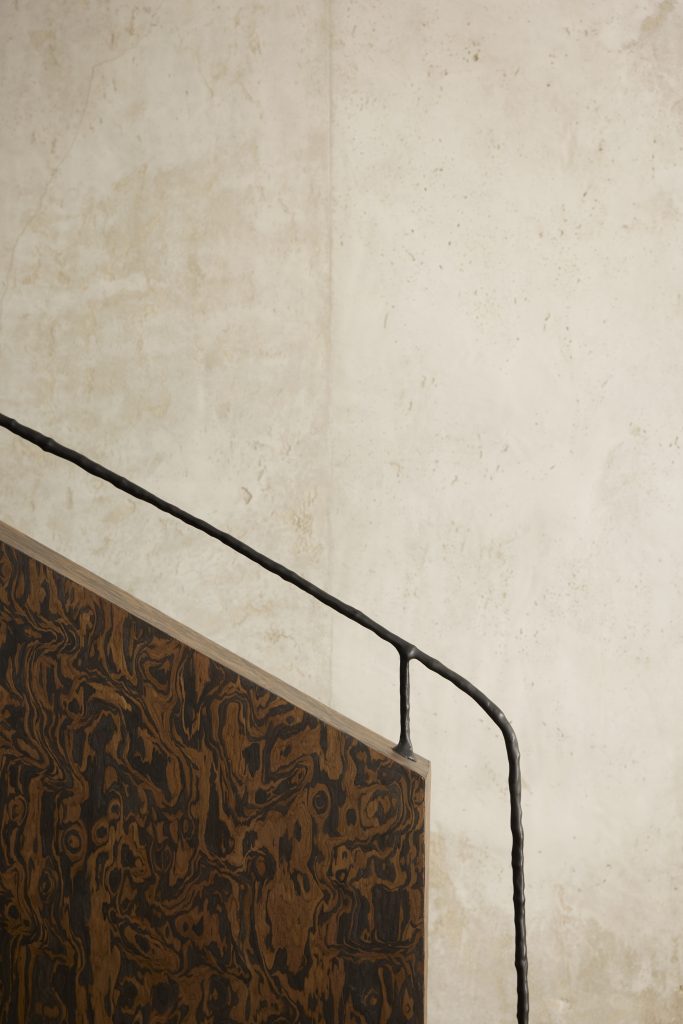
Handcrafted niches and irregular details punctuate the space, while a brutalist staircase in textured concrete creates a striking contrast and leads to the upper level. 

First Floor: A Parisian Setting

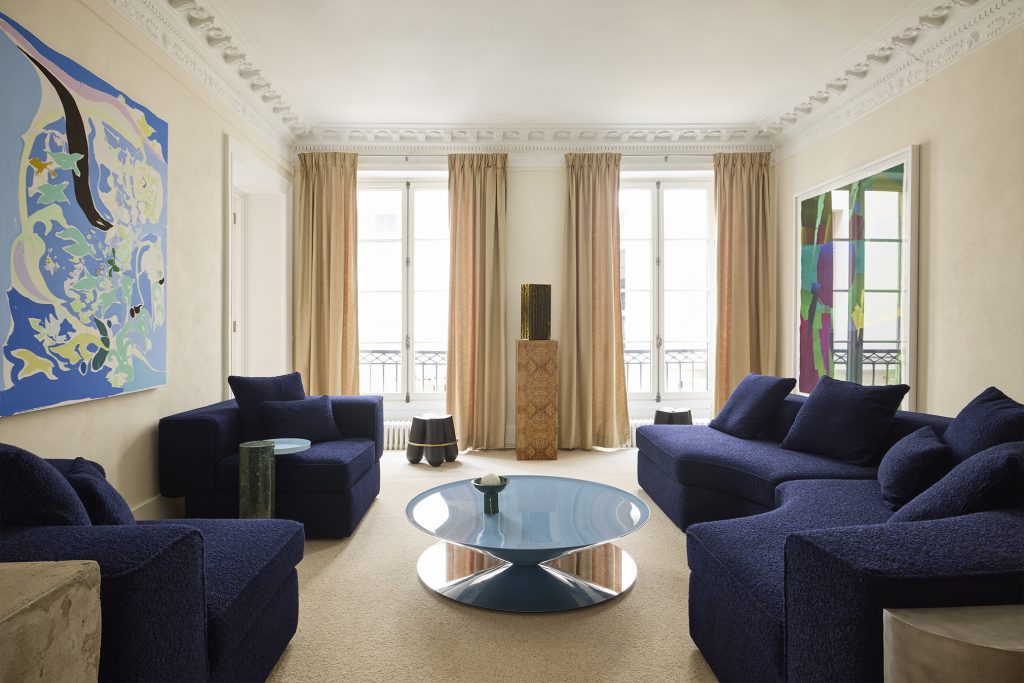
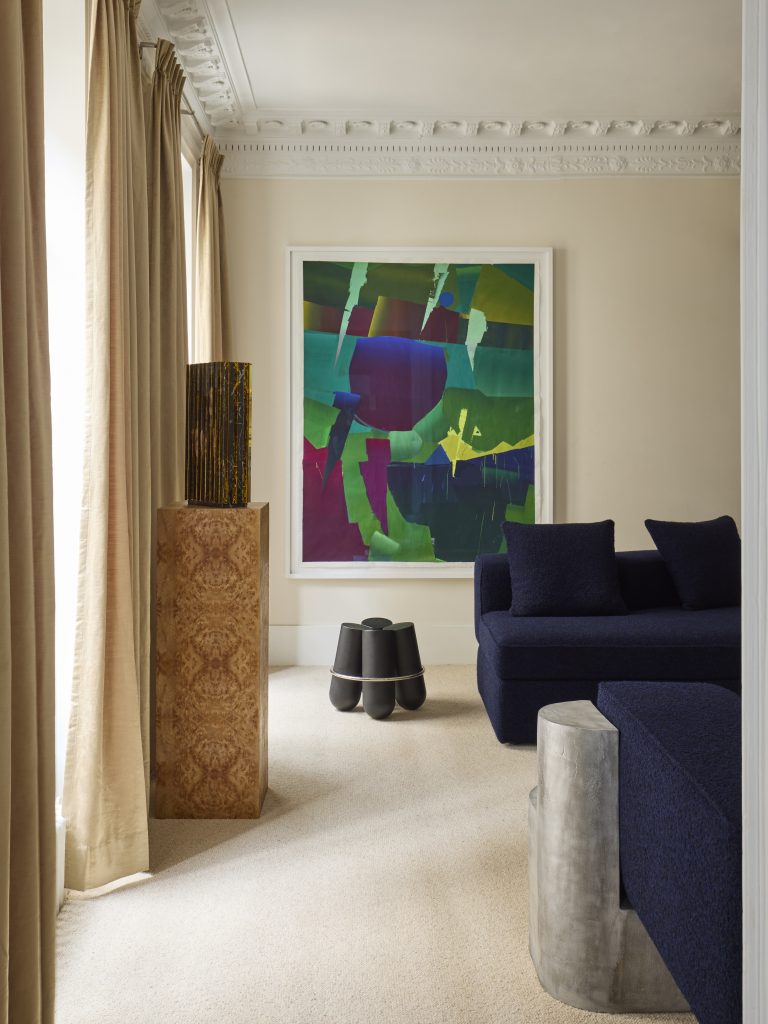
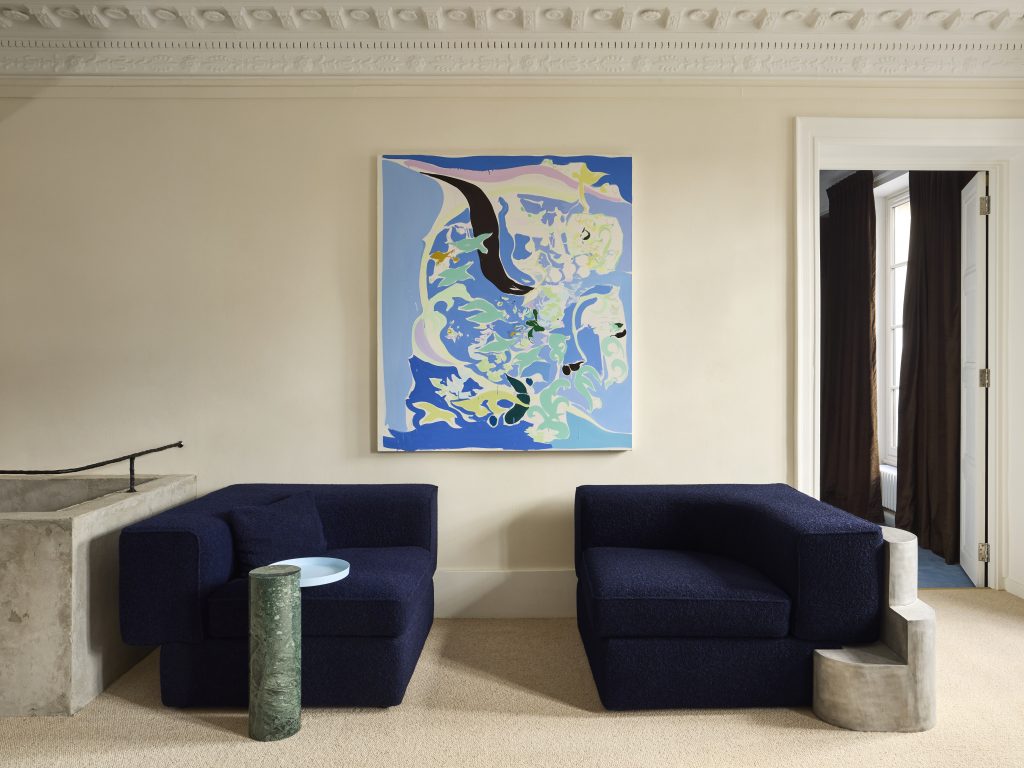
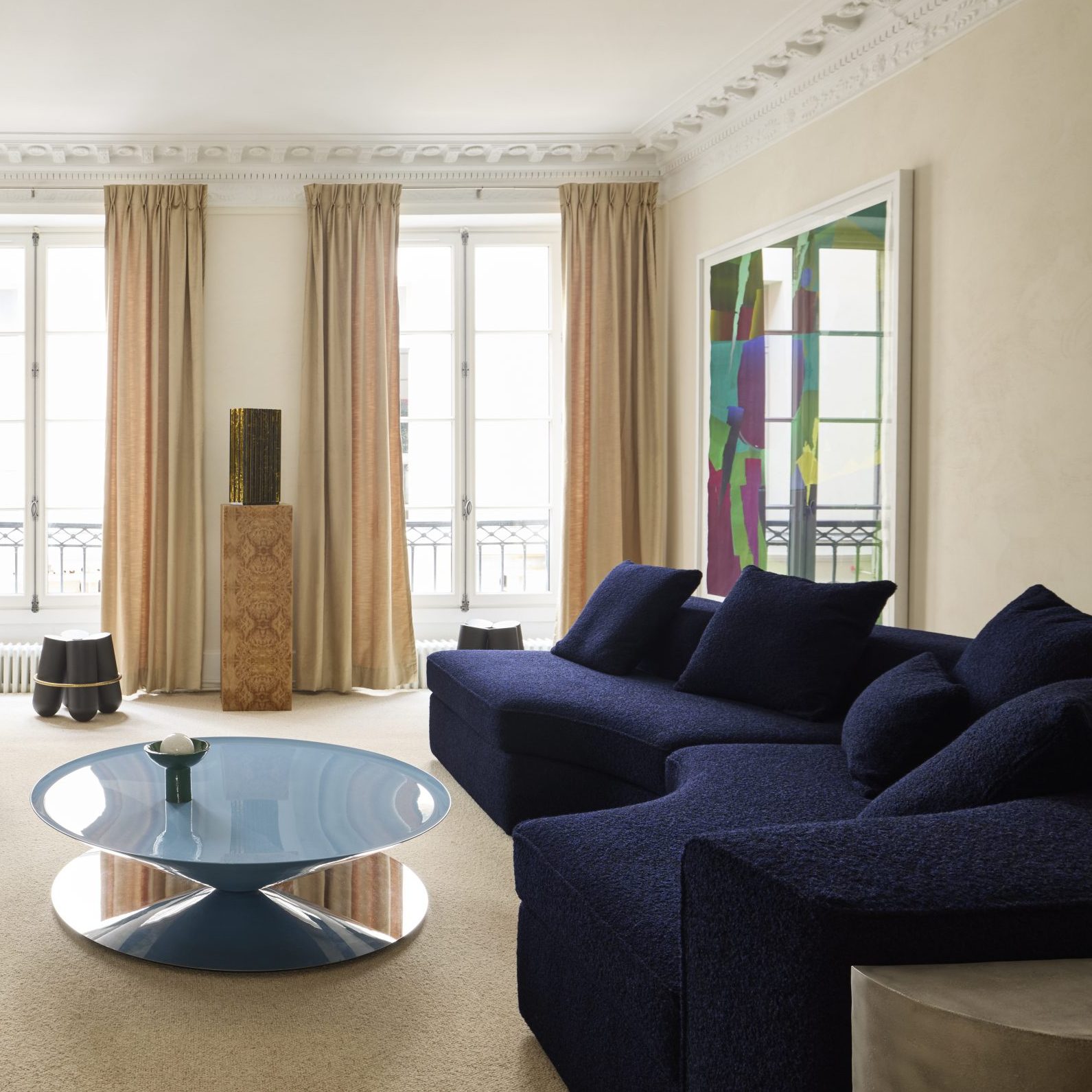
Upstairs, the mood shifts. The space evokes the atmosphere of a Parisian apartment with Haussmann-style moldings, high ceilings, and abundant natural light. Walls finished with marble powder paint bring subtle texture, while stainless-steel accents highlight architectural details with a contemporary edge. 

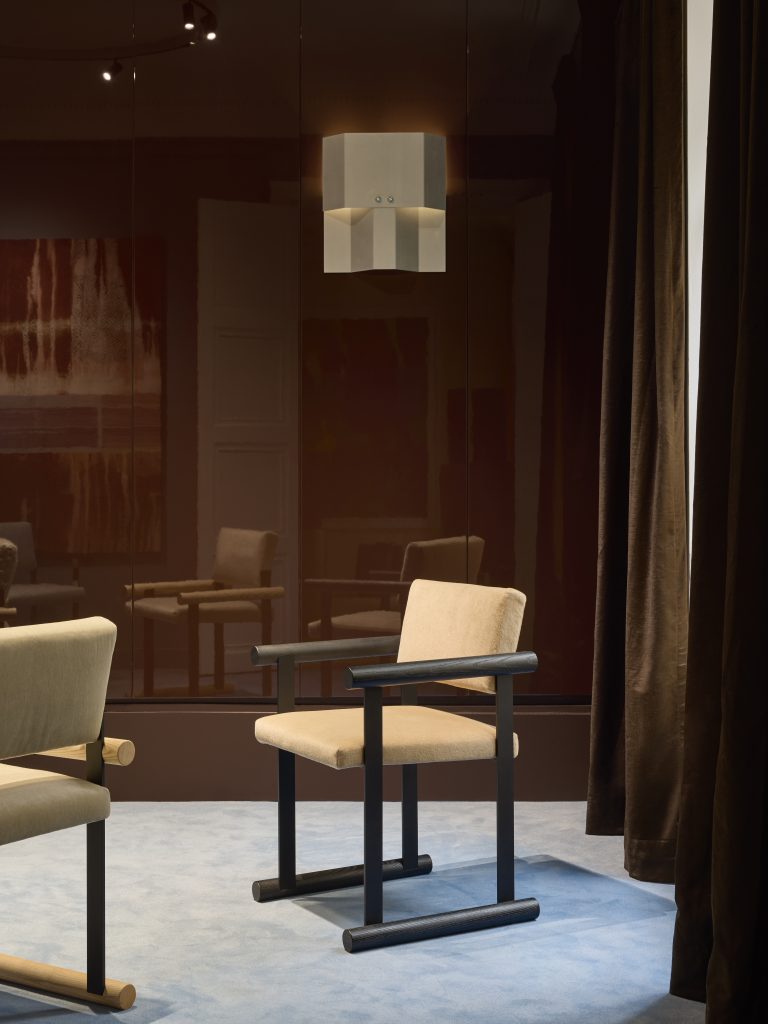
The flooring, a beige bouclé carpet, recalls the luxurious warmth of 1970s interiors. The meeting room embraces sharper contrasts: lacquered brown walls, pale blue carpet, and custom furniture designed to hold an extensive material library.

The offices are furnished with Mouvement™ pieces—the “contract” brand founded by La Chance’s creators and now featured in some of the most design-forward executive offices. The aesthetic is understated and ergonomic, with muted fabrics and tonal woods, forming a workspace both functional and conducive to collaboration and bespoke design.

The Courtyard Workshop

In the quiet of the inner courtyard, a dedicated workshop hosts the brand’s research and experimentation: material testing, moodboard composition, and development of tailored projects. This space reinforces the vital link between creation, production, and professional exchange. 

A Venue Open to Other Forms of Creation

The La Chance gallery will regularly host contemporary artists presenting works in a variety of media beyond furniture. For its opening, an exhibition in collaboration with Galerie Kétabi-Bourdet will feature a selection of pieces from their program. Historic or vintage works will also occasionally enter into dialogue with the brand’s contemporary creations.

Designed with 1,940 sq. ft. (180 m²), the new space directly addresses the needs of architects, interior designers, and professional partners. It allows visitors to discover existing collections, explore specific project needs, and co-create bespoke pieces with La Chance’s designers.

Wellio Paris Miromesnil

home wellio paris miromesnil

WELLIO PARIS MIROMESNIL

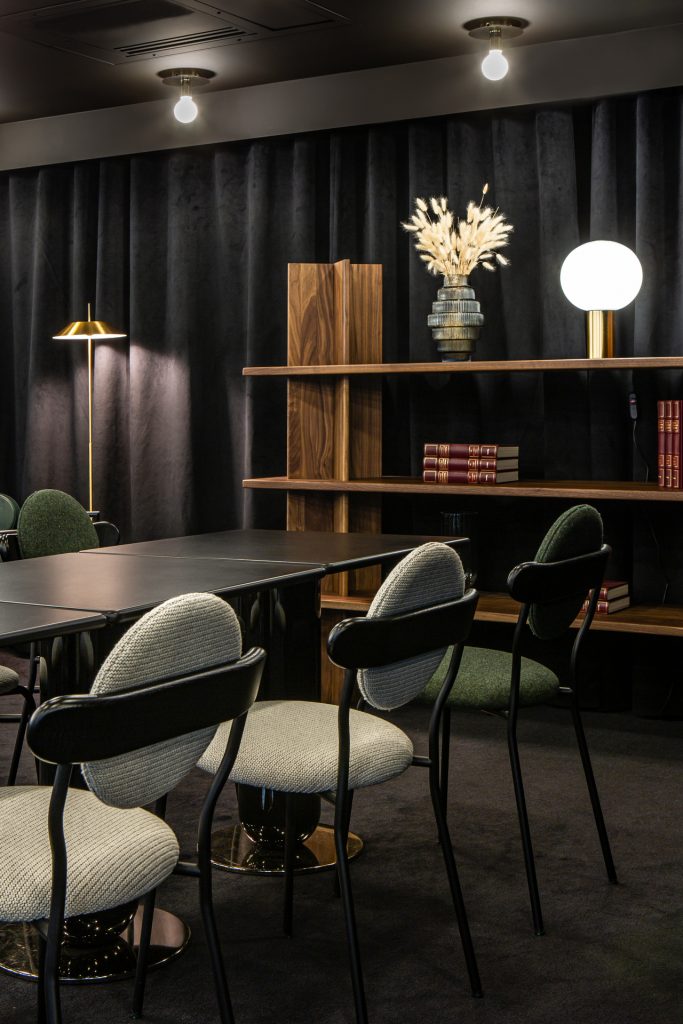
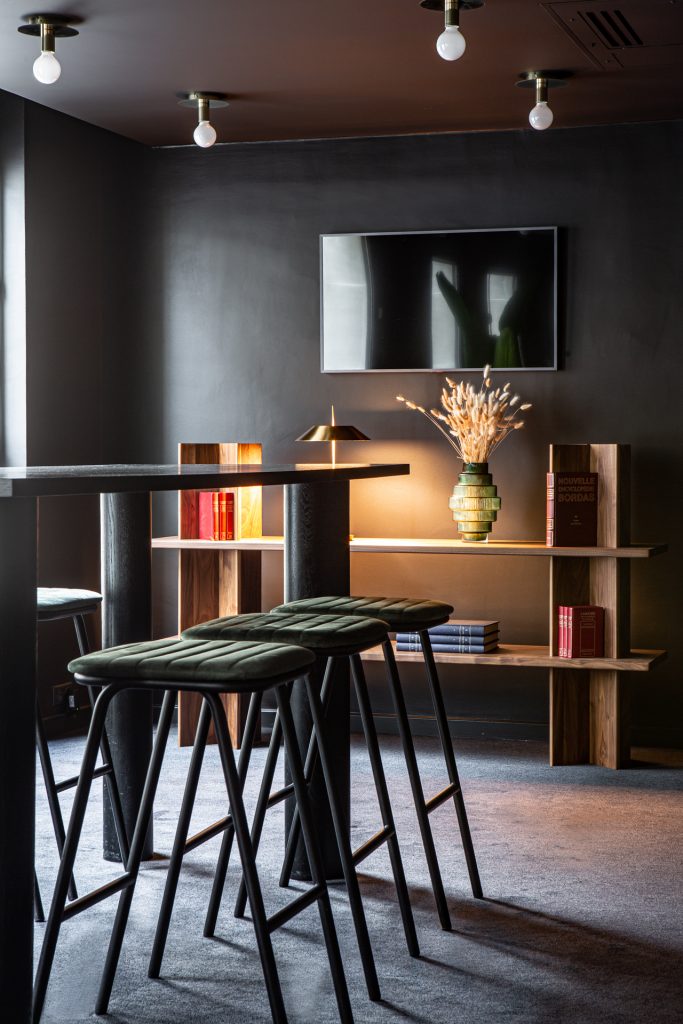
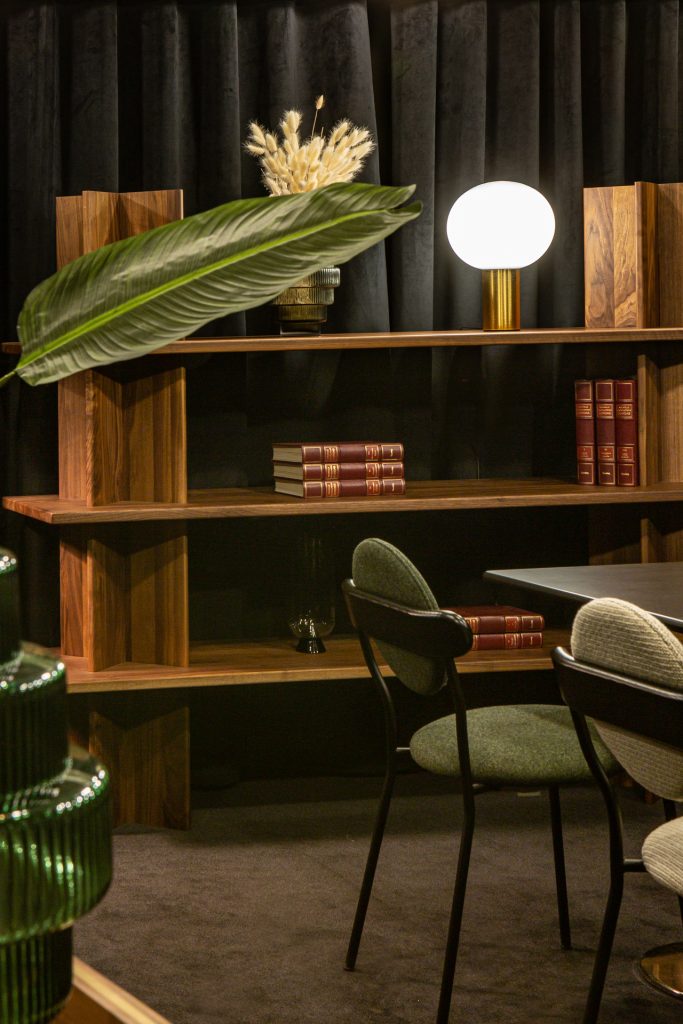
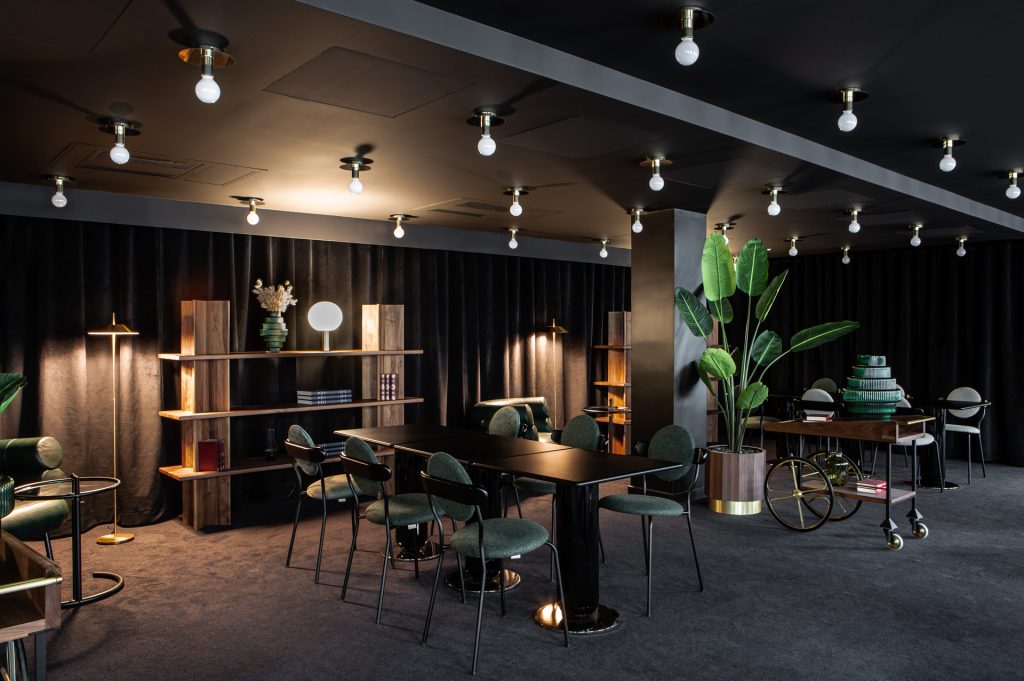
In 2023, cocorico paris, founded by Mathieu Girard & Gauthier Pouillart, imagined the pro-working space, Wellio Paris Miromesnil.

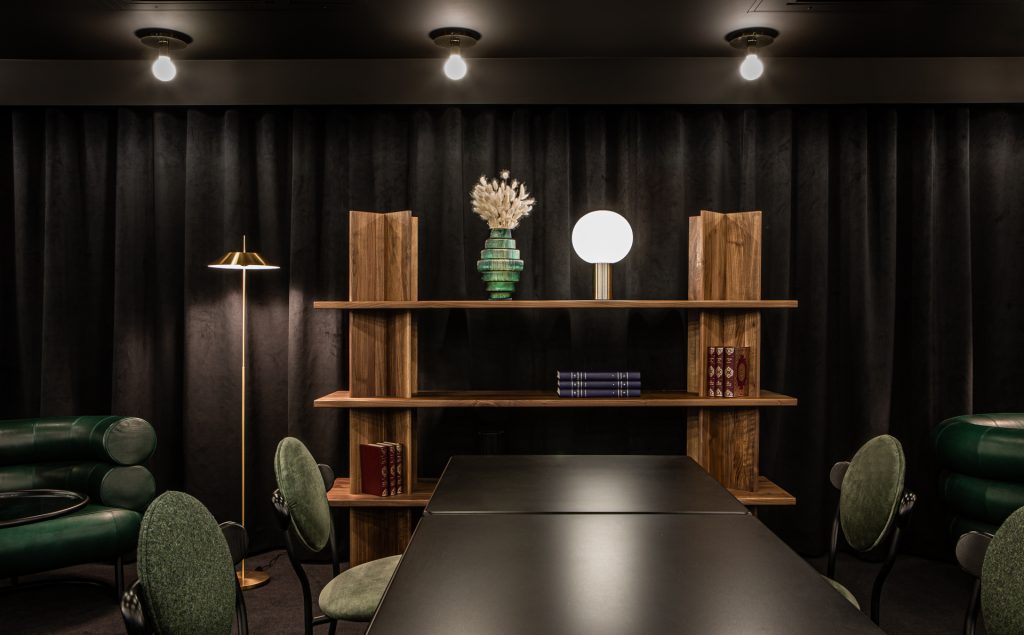
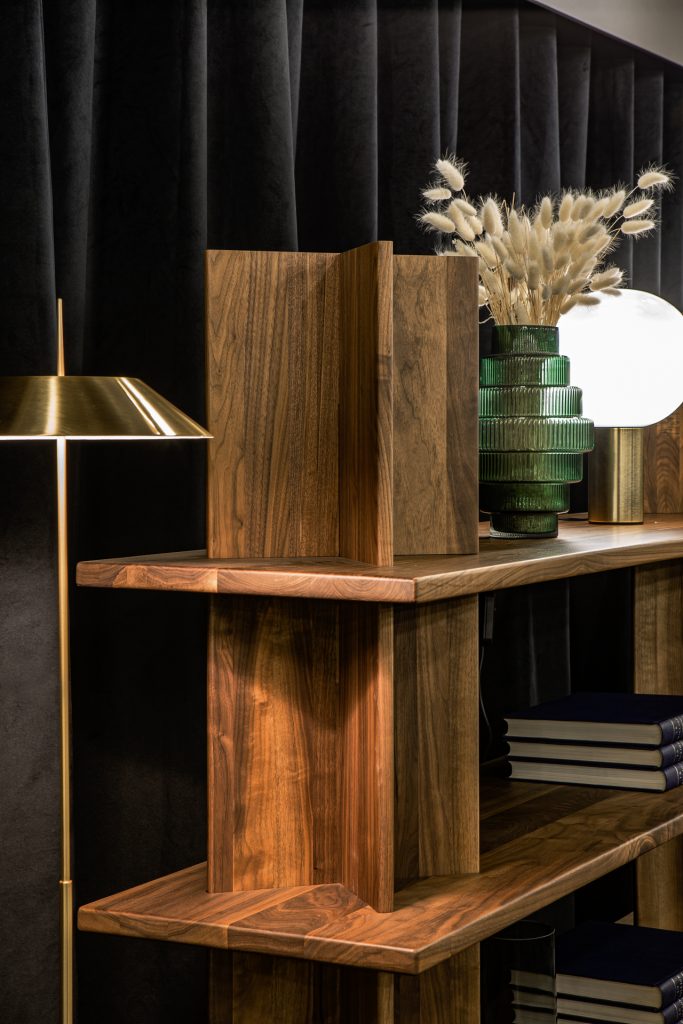
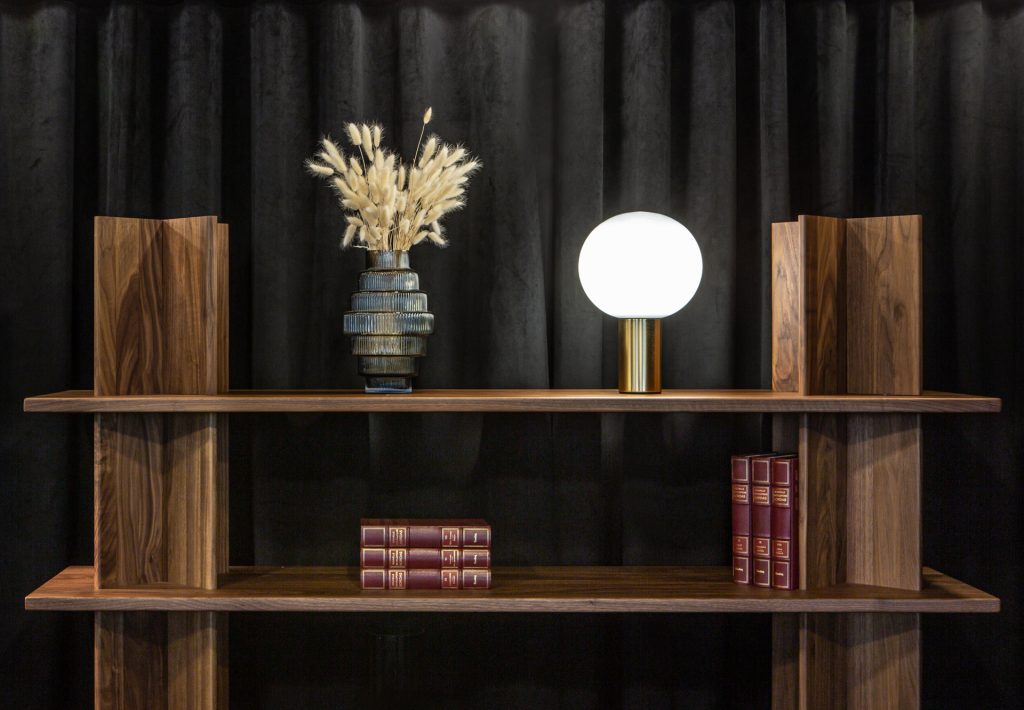
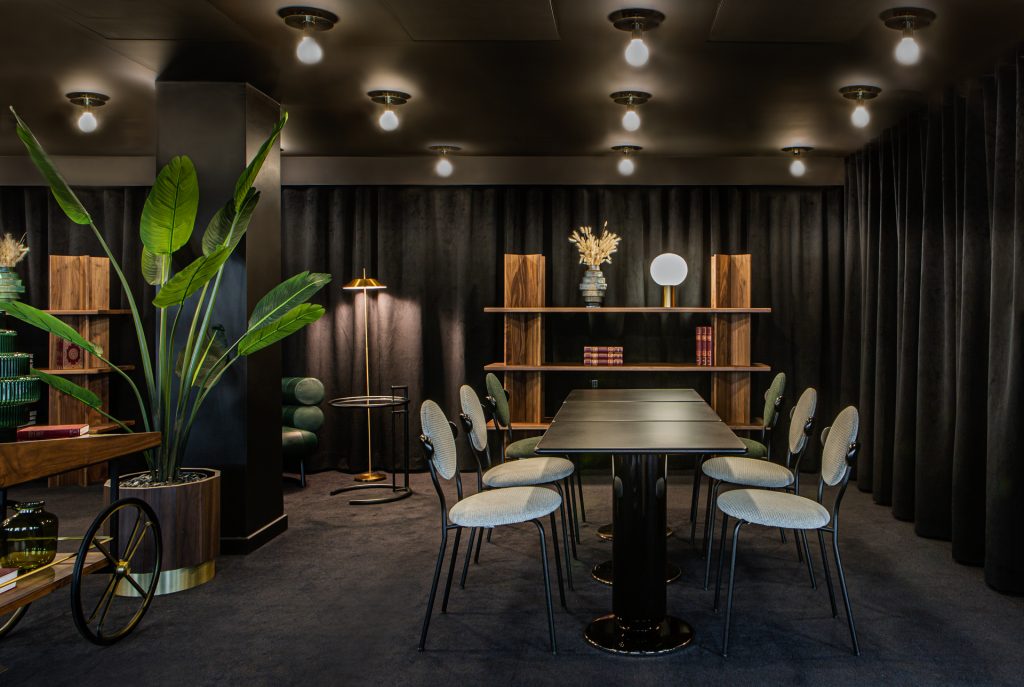
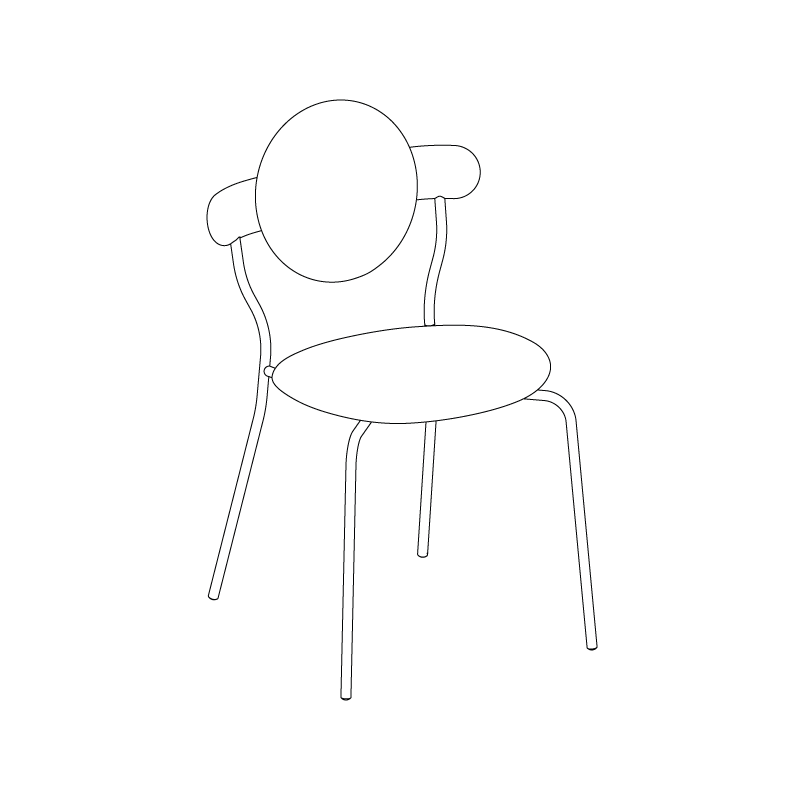
Monument shelving system and Planet chairs, take place in this space with a cozy atmosphere.


Photo credit : Gilles Trillard

FEATURED PIECES

MONUMENT
shelving system


PLANET
chair

GALLERY CHRISTOPHE DUPOUY x LA CHANCE at the PAD PARIS 2023

home gallery christophe dupouy x la chance at the pad paris 2023

CHRISTOPHE DUPOUY x LA CHANCE AU PAD PARIS 2023

Presented in collaboration with the Christophe Dupouy Gallery for the first time at PAD PARIS, the Borghese sofa by Noé Duchaufour-Lawrance is now available in a special edition. It is covered in 6-carat white gold leaf, patinated, and upholstered in Dedar fabric, Romeo and Giulietta silk velvet. Limited to only 8 pieces.

PAD PARIS from March 29th to April 2nd, 2023, Stand 36.


Credit Photo : La Chance


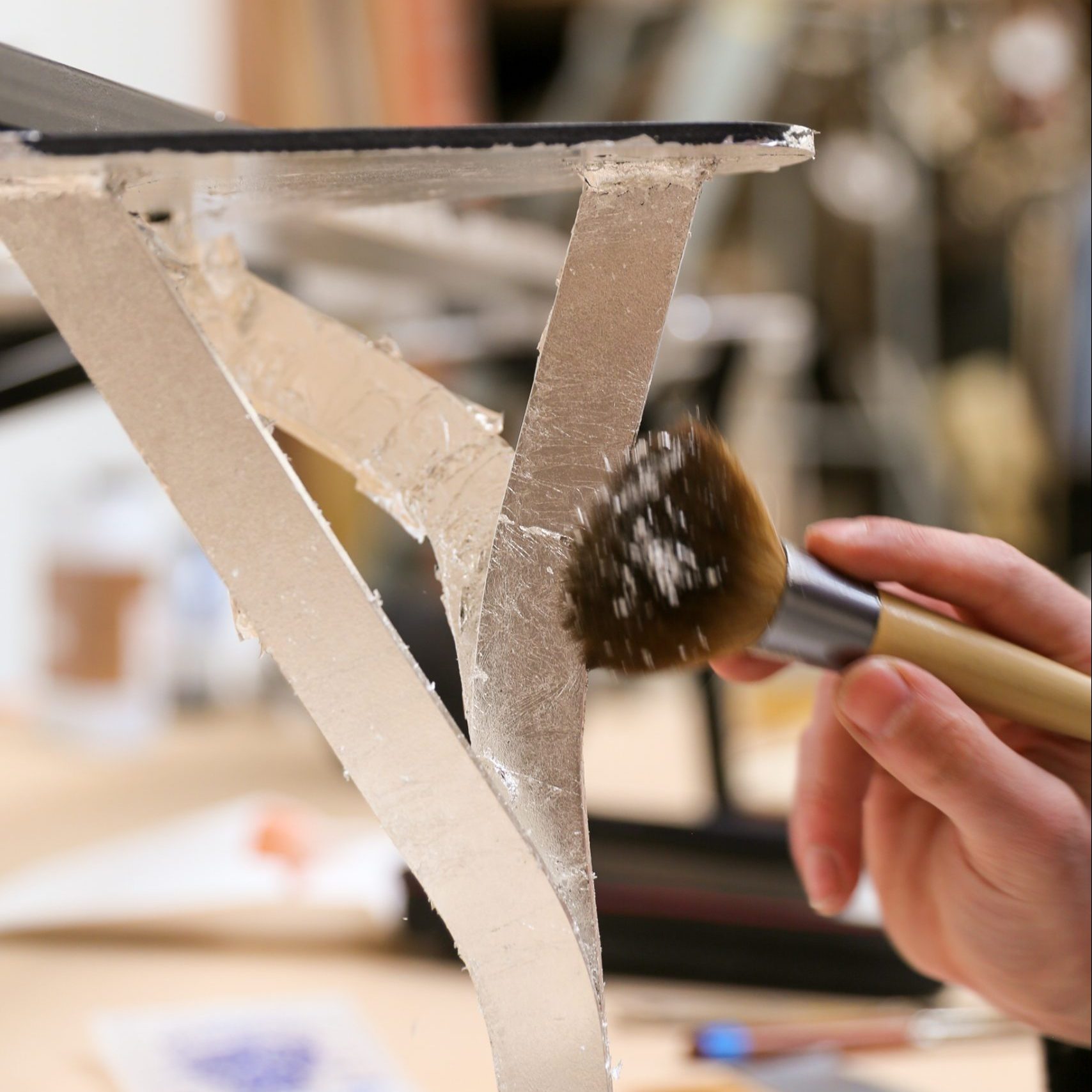
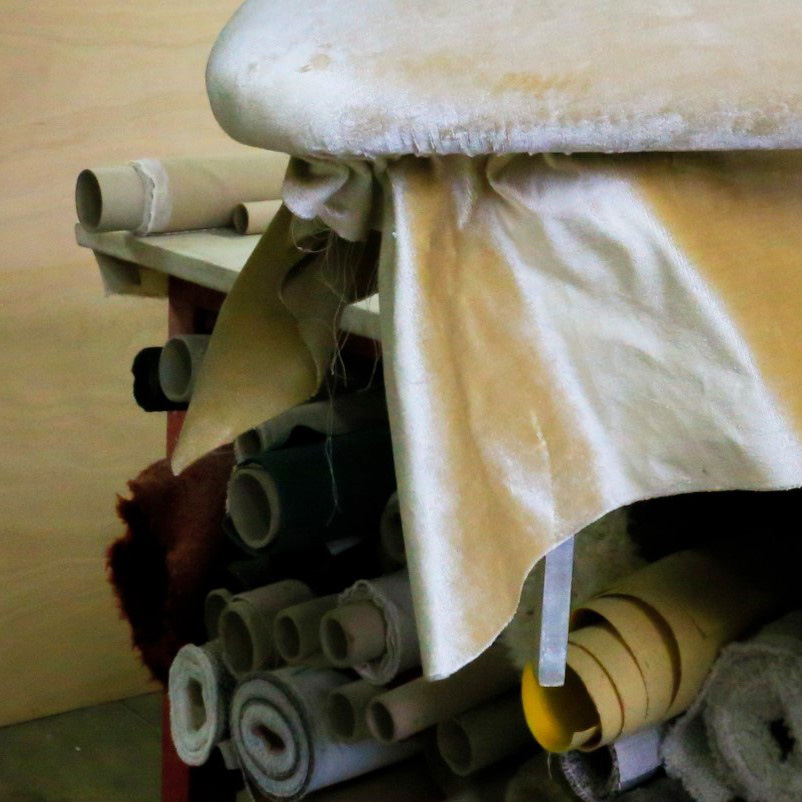
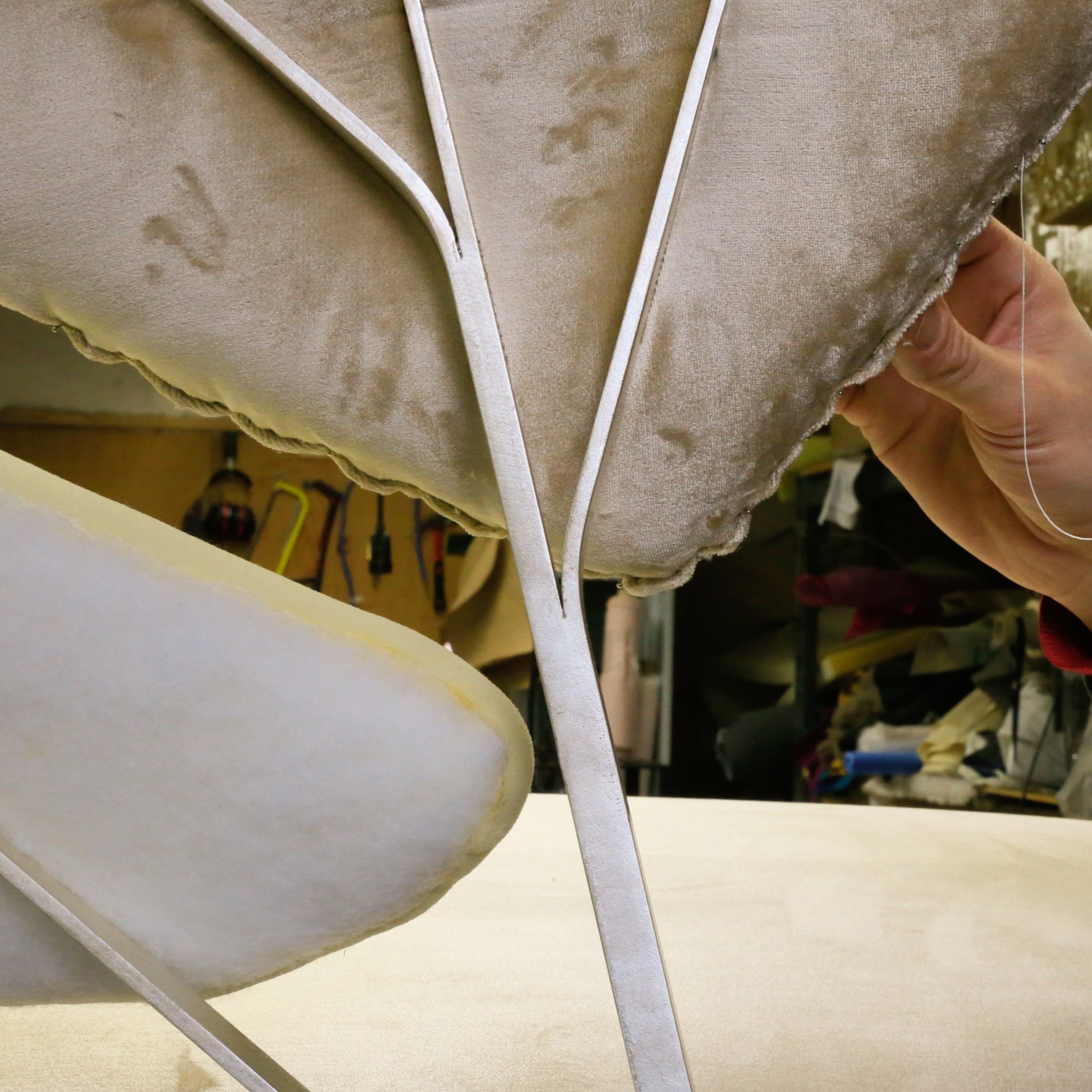
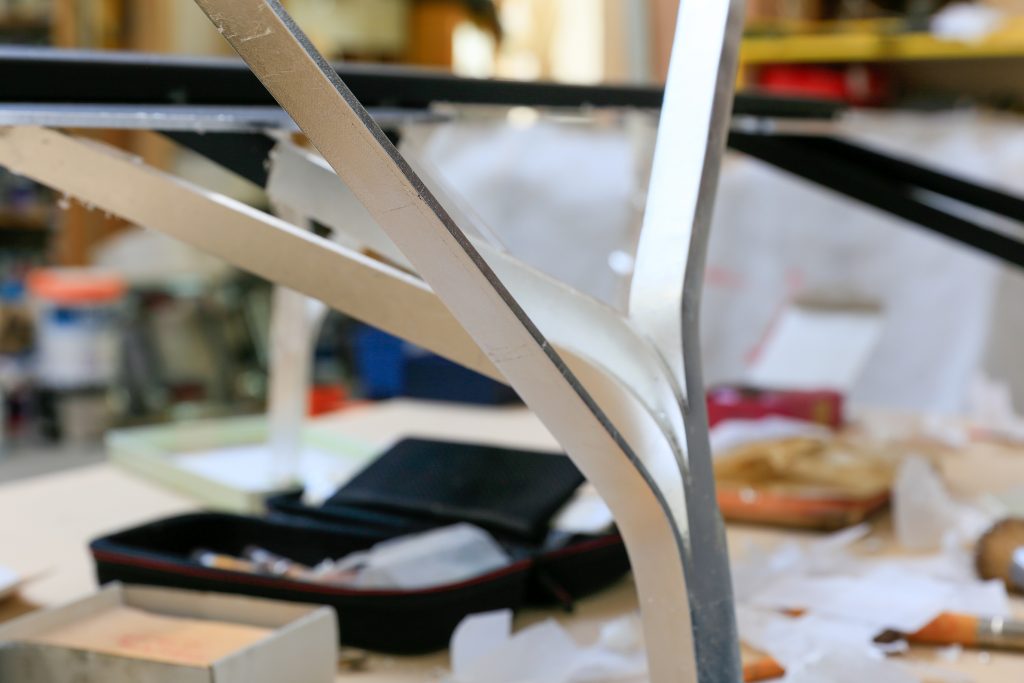
Photographs taken at Atelier De Ricou during the gold leaf application and in the upholstery workshop in the heart of Paris during the production of the special edition Borghese sofa.

BORGHESE, Noé Duchaufour-Lawrence, steel covered with white gold leaf 6 carrats patina. Dedar fabric, silk velvet, Romeo and Giulietta.


BORGHESE, Noé Duchaufour-Lawrence, steel covered with white gold leaf 6 carrats patina. Dedar fabric, silk velvet, Romeo and Giulietta.


BORGHESE, Noé Duchaufour-Lawrence, steel covered with white gold leaf 6 carrats patina. Dedar fabric, silk velvet, Romeo and Giulietta.


BORGHESE, Noé Duchaufour-Lawrence, steel covered with white gold leaf 6 carrats patina. Dedar fabric, silk velvet, Romeo and Giulietta.


BORGHESE, Noé Duchaufour-Lawrence, steel covered with white gold leaf 6 carrats patina. Dedar fabric, silk velvet, Romeo and Giulietta.


CLAUDE CARTIER DECORATION x LA CHANCE

home claude cartier decoration x la chance

CLAUDE CARTIER EVENT
x LA CHANCE

We are very happy to participate in the 15th edition of the INSIDE GALLERY event, titled “Aux marbres et caetera…” by Claude Cartier Décoration. 
 
La Chance furniture will be on display from March 15, 2023 to September 15, 2023 at 25 Rue Auguste Comte in Lyon.
 
 
Credit photo : Guillaume Grasset

SNOW, sofa, Note Design Studio, 
Seat : Pierre Frey Chenille Igor Coton fabric
Legs : Pierre Frey Pauline Ficelle fabric

FLOAT, coffee table, Luca Nichetto, grey colour
MARMINI II, chair, Hannes Peer, Pele de Tigre marble, Pierre Frey Bold Safran fabric
HOPI, ottoman, Marta Bakowski, black Marquina marble
SALUTE, side tables, Marbre Pele de tigre (right) and Indian Green (left)

LAMINA, table, Hannes Peer, Estremoz veiné marble
RONIN, chair, Emil Lagoni Valbak et Frederik Werner, structure in black stained ash and seat in Nobilis Awassi Galet fabric

SNOW, sofa, Note Design Studio, 
Seat : Pierre Frey Chenille Igor Coton fabric,
Legs : Pierre Frey Pauline Ficelle fabric

FLOAT, coffee table, Luca Nichetto, couleur grise
HOPI, ottoman, Marta Bakowski, Marquina black marble
SALUTE, side tables, Pele de tigre marble (right) et Indian Green (left)

SNOW, sofa, Note Design Studio, 
Seat : Pierre Frey Chenille Igor Coton fabric,
Legs : Pierre Frey Pauline Ficelle fabric

FLOAT, coffee table, Luca Nichetto, grey colour
ICONIC, mirror, Lucie Koldova et Dan Yeffet, black Marquina Marble
SALUTE, side tables, Pele de tigre marble (left) et Indian Green (right)

SNOW, armchair, Note Design Studio, 
Seat : Pierre Frey Opio Kiwi  fabric,
Legs : Pierre Frey Medium Army fabric

FLOAT, coffee table, Luca Nichetto, grey colour
MONUMENT, shelving system, Hannes Peer, Pele de tigre marble, black stained ash

SNOW, sofa, Note Design Studio, 
Seat : Pierre Frey Chenille Igor Coton fabric,
Legs : Pierre Frey Pauline Ficelle fabric
FLOAT, coffee table, Luca Nichetto, grey colour
HOPI, ottoman, Marta Bakowski, Black Marquina marble
SALUTE, side tables, Pele de tigre marble (right) et Indian Green (left)

SNOW, sofa, Note Design Studio, 
Seat : Pierre Frey Chenille Igor Coton fabric,
Legs : Pierre Frey Pauline Ficelle fabric

SALUTE, side table, Indian Green marble, Sebastian Herkner

SNOW, sofa, Note Design Studio, 
Seat : Pierre Frey Chenille Igor Coton fabric,
Legs : Pierre Frey Pauline Ficelle fabric

SNOW, armchair, Note Design Studio, 
Seat : Pierre Frey Opio Kiwi  fabric,
Legs : Pierre Frey Medium Army fabric

SNOW, armchair, Note Design Studio, 
Seat : Pierre Frey Opio Kiwi  fabric,
Legs : Pierre Frey Medium Army fabric

SALUTE, side table,Pele de Tigre Marble, Sebastian Herkner

LA CHANCE AT THE VILLA MEDICI

home la chance at the villa medici

LA CHANCE AT THE VILLA MEDICI

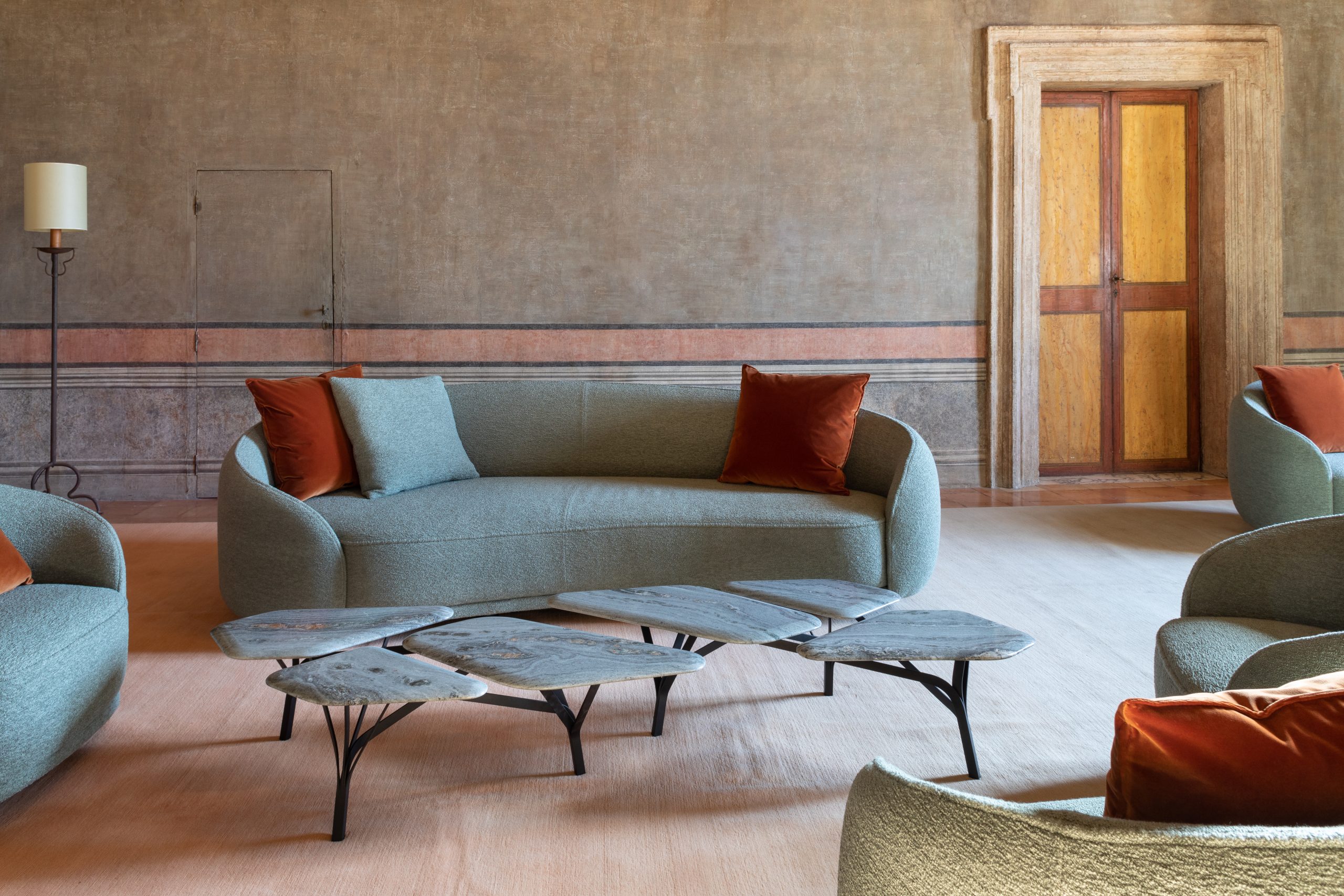
Italian fashion brand Fendi has partnered with the French Academy in Rome to refresh six lounges at the Villa Medici, located in the heart of Rome.

Kim Jones worked with Sylvia Venturi Fendi and the Mobilier National to create a selection of modern French and Italian furniture for the various salons. 

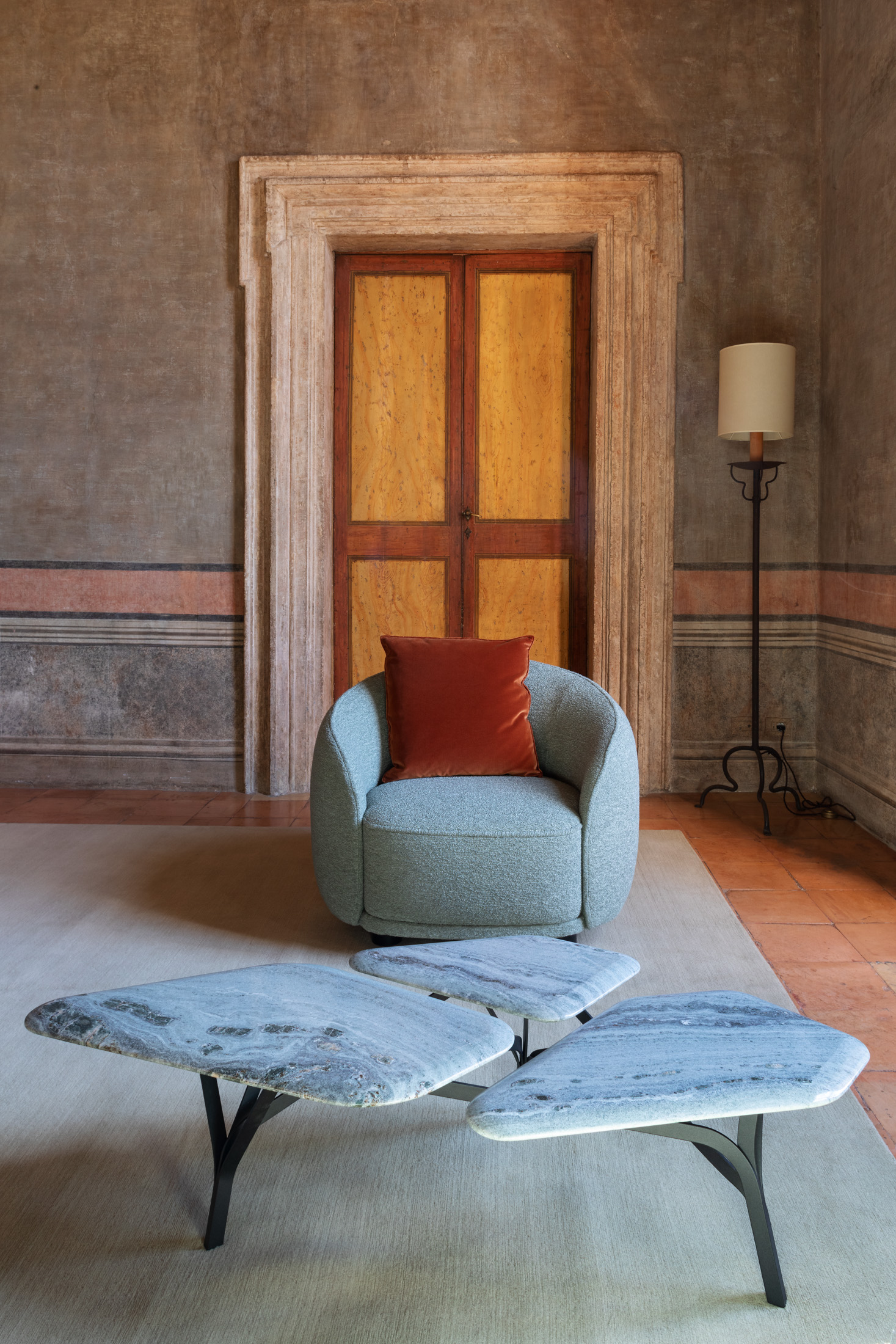
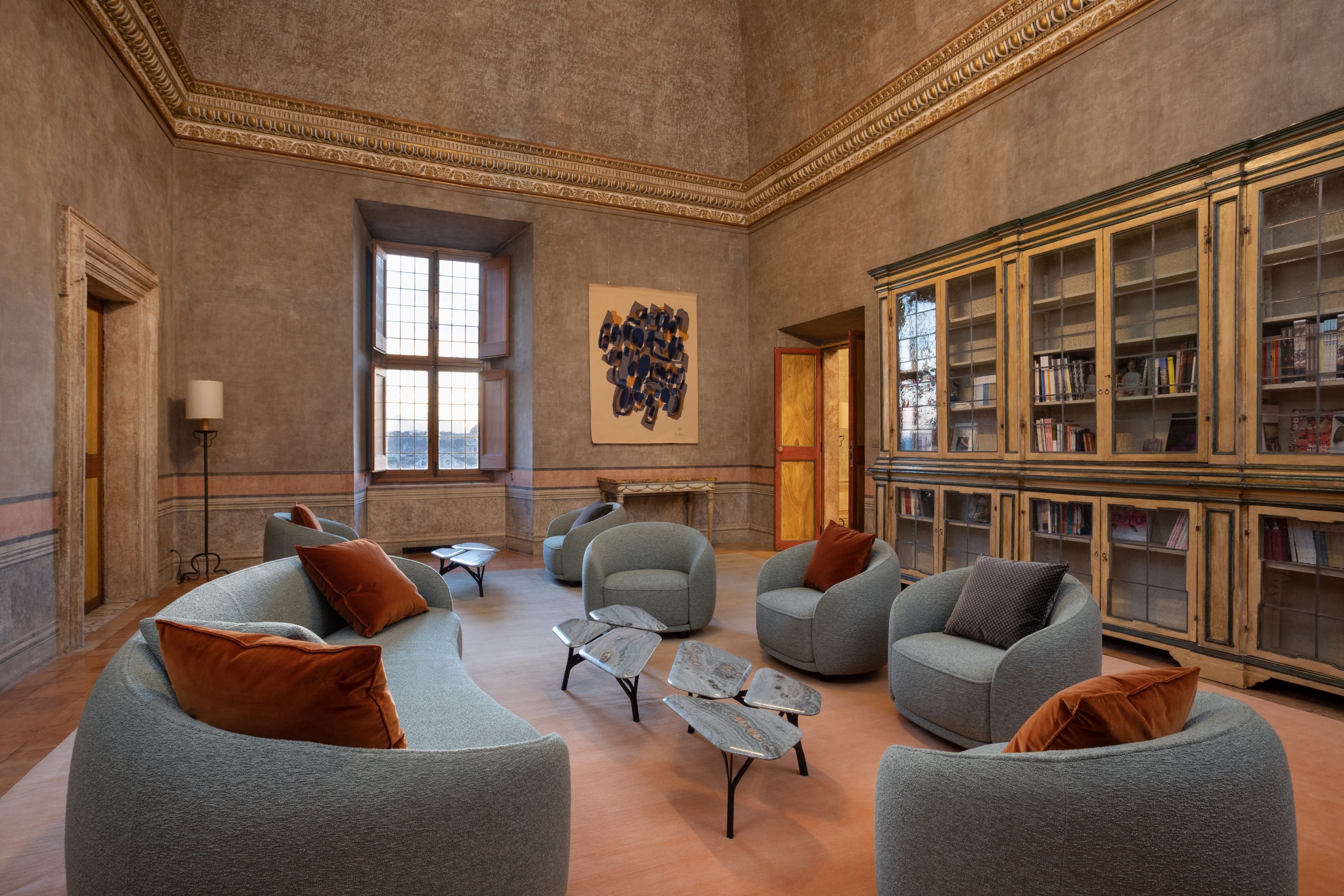
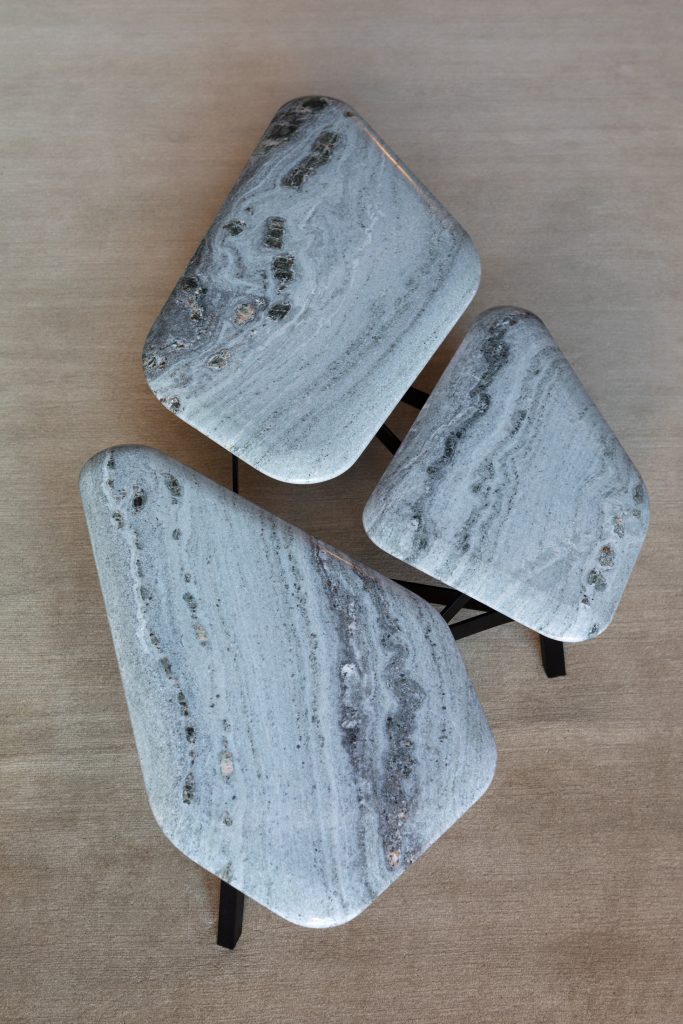
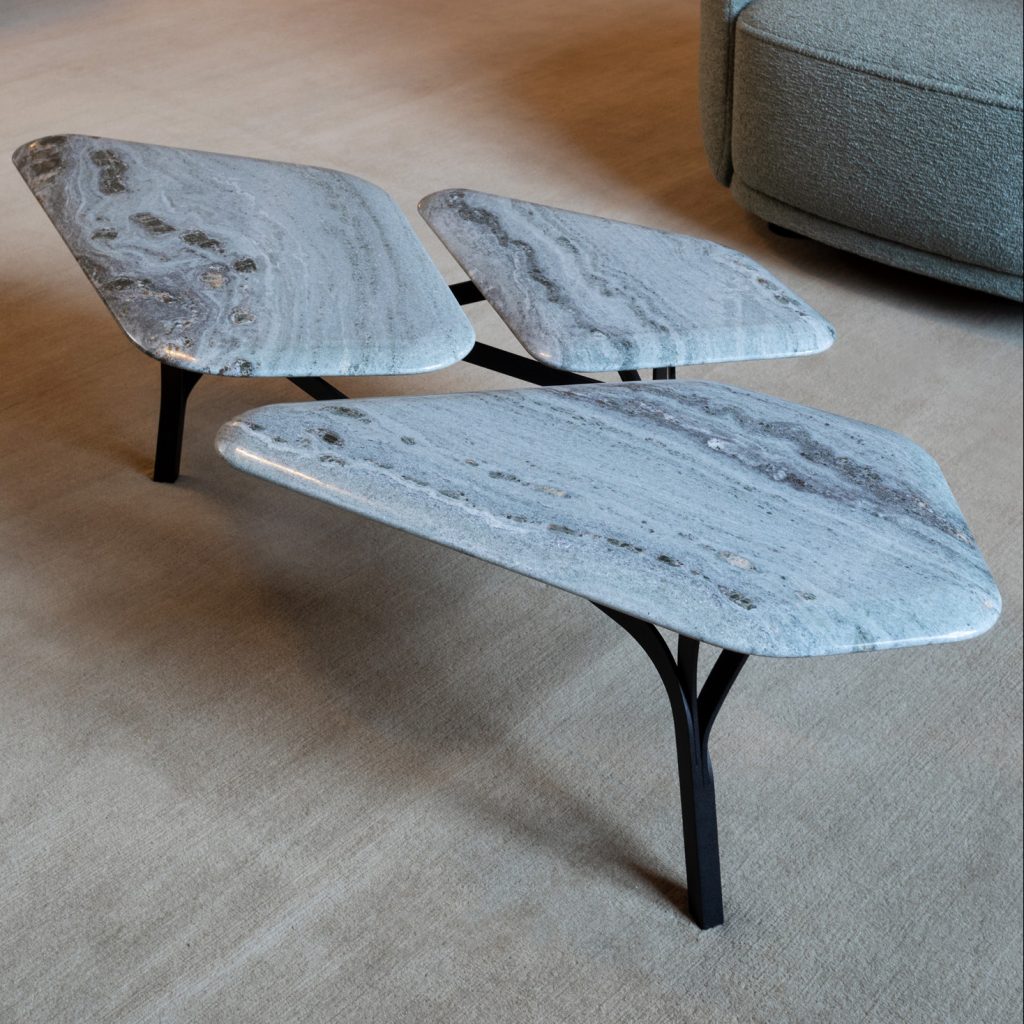
The Borghese coffee table designed for La Chance by French designer Noé Duchaufour-Lawrance was selected for the Pensioners’ Lounge. For this event the Borghese coffee table is made for the first time in marble. 


Crédit : Villa Medici’s reception Salons re-enchanted by Kim Jones and Silvia Venturini Fendi.

Photo © Daniele Molajoli pour la Villa Médicis

BORGHESE, Noé Duchaufour-Lawrance,  Textured steel structure and Viana Verde marble

BORGHESE, Noé Duchaufour-Lawrance,  Textured steel structure and Viana Verde marble

BORGHESE, Noé Duchaufour-Lawrance,  Textured steel structure and Viana Verde marble

BORGHESE, Noé Duchaufour-Lawrance,  Textured steel structure and Viana Verde marble

By browsing this website, you accept the use of cookies for the purpose of producing visit statistics.

I agree
<