
Post-War French Modernity
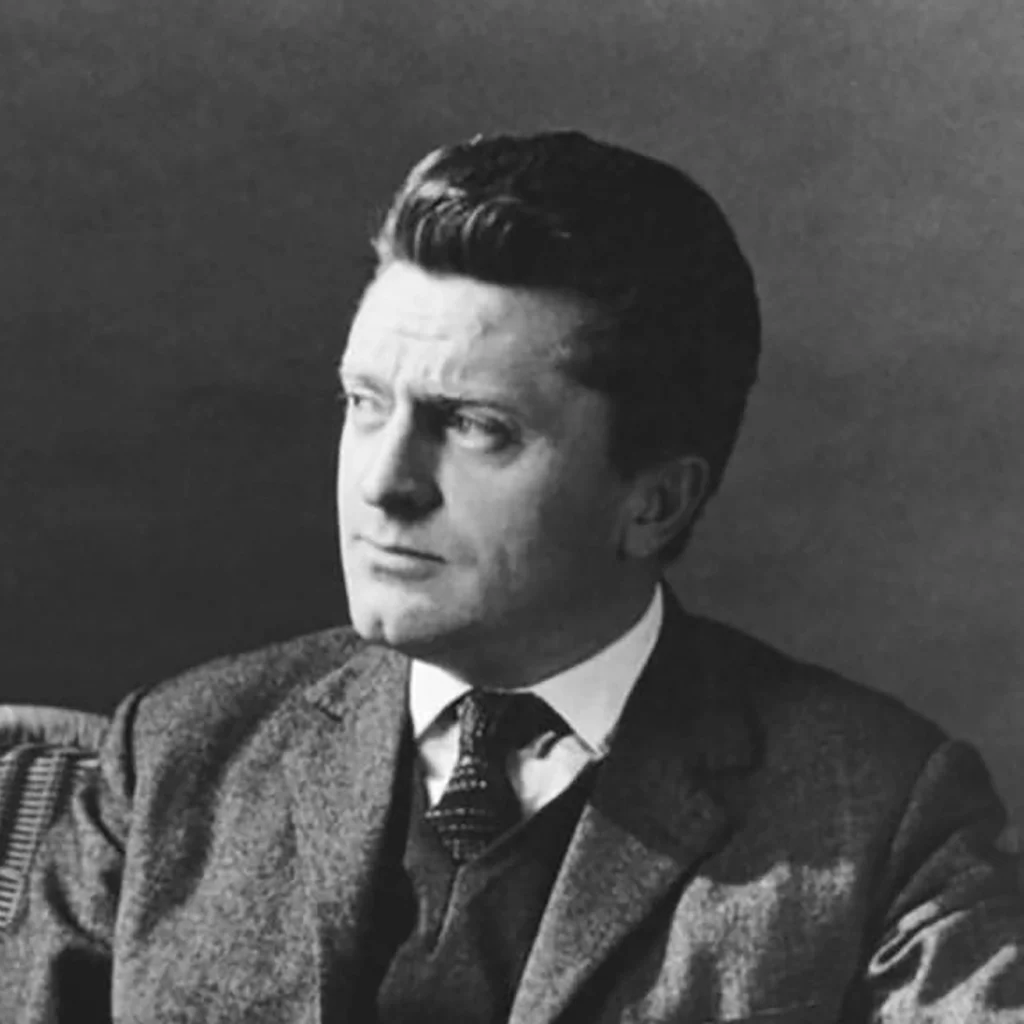
Born in 1925, Joseph-André Motte belonged to the generation that firmly established French modernity in the post-war era. Trained at the École des Arts Appliqués in Paris, he championed a simple principle early on: a clear design, a constant attention to materials, and a modernity achieved as much through construction as through form.
In the France of the Trente Glorieuses (the thirty years of post-war economic boom), the State built quickly and on a large scale, and design became a tool to make this modernity visible and cohesive. New administrations, new prefectures, transport networks, cultural facilities: it was a period of conquest where modernity had to be visible, cohesive, and enduring—right down to the furniture
From Major Public Projects to the Daily Lives of the French
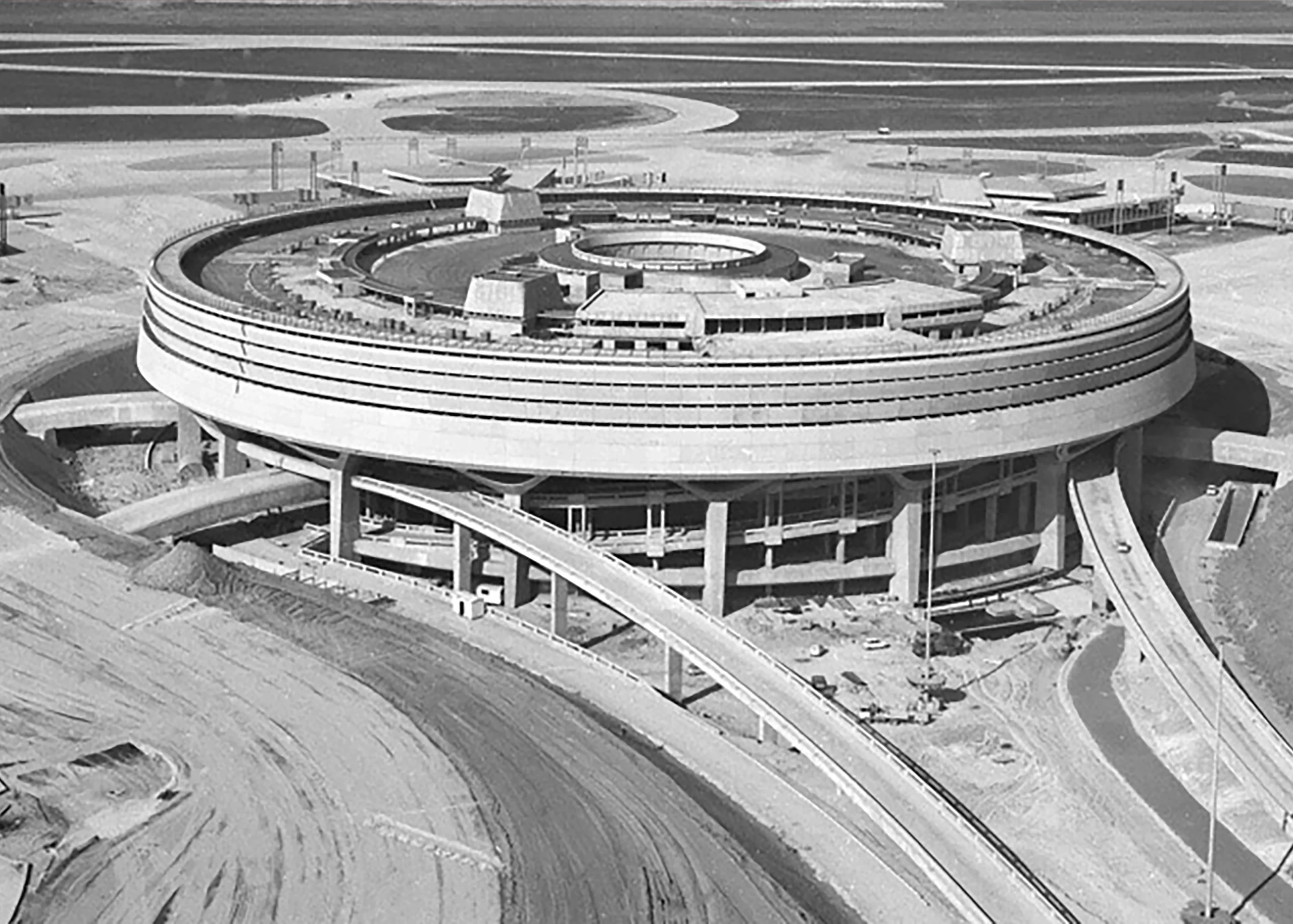
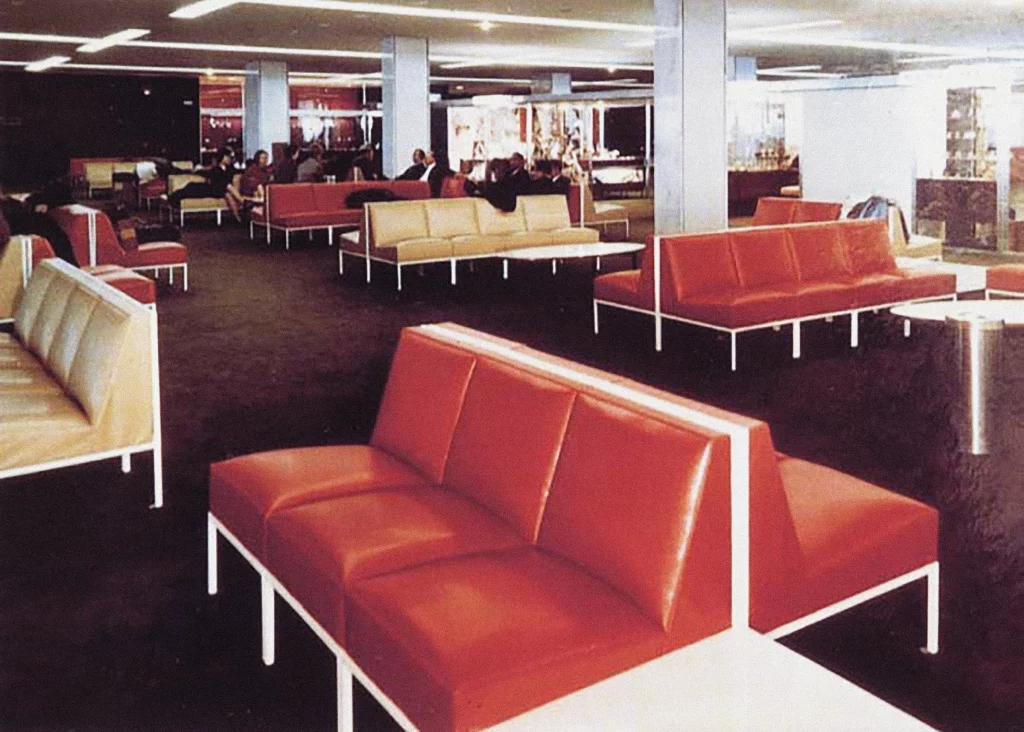
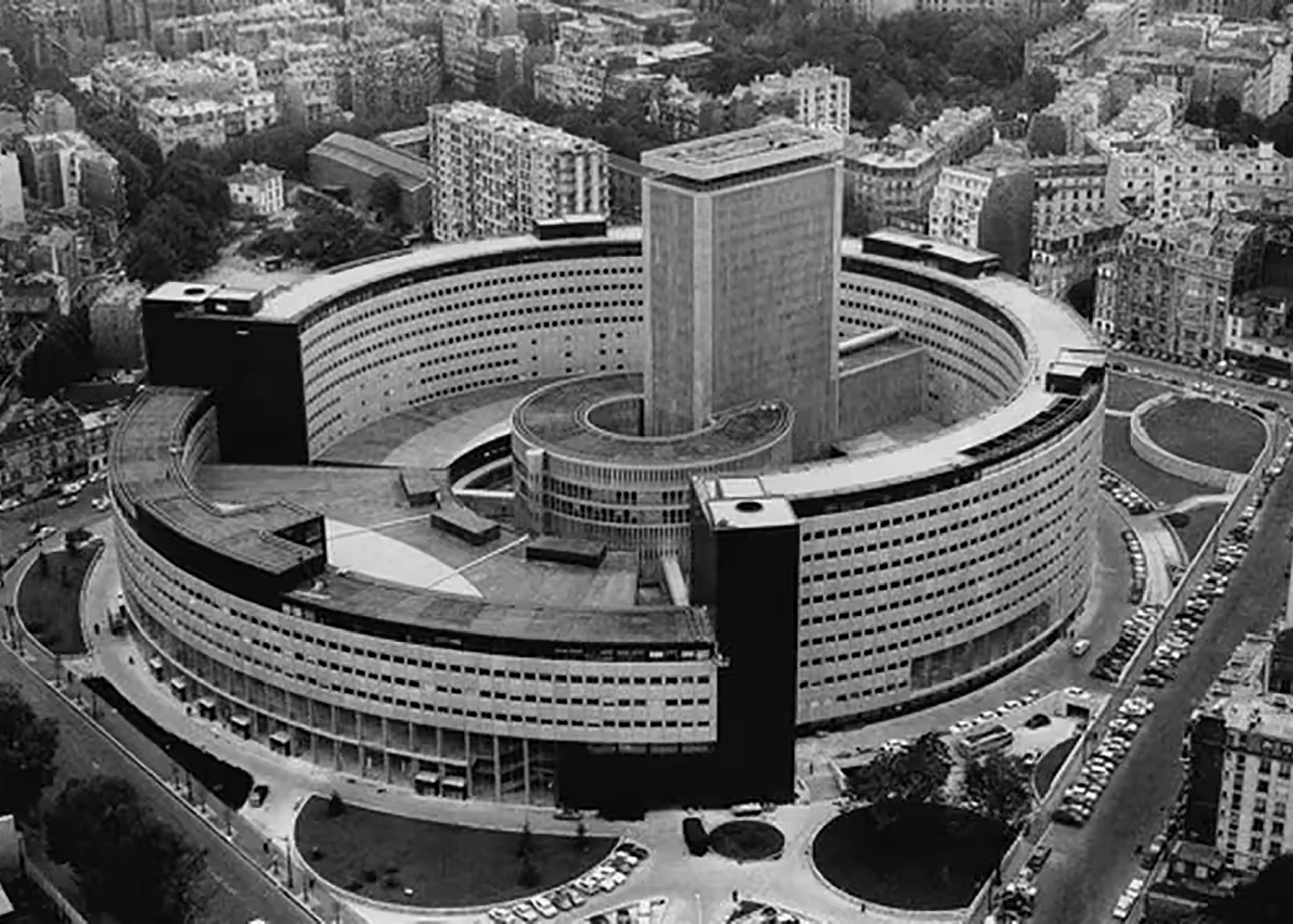
Joseph-André Motte‘s career unfolded across two complementary fields. On one hand, he participated in the State’s most prestigious projects: the interior design of the Orly airport terminal in the late 1950s, the Maison de la Radio in 1962, and the interior design direction for the Roissy-Charles-de-Gaulle airport terminal starting in 1969.
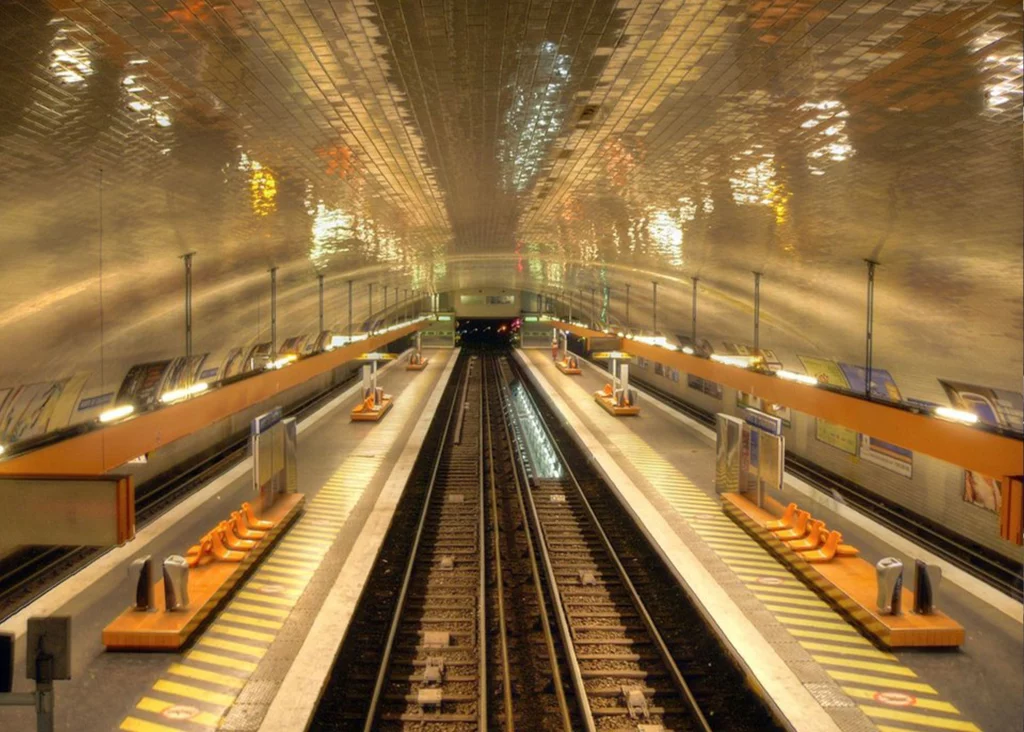
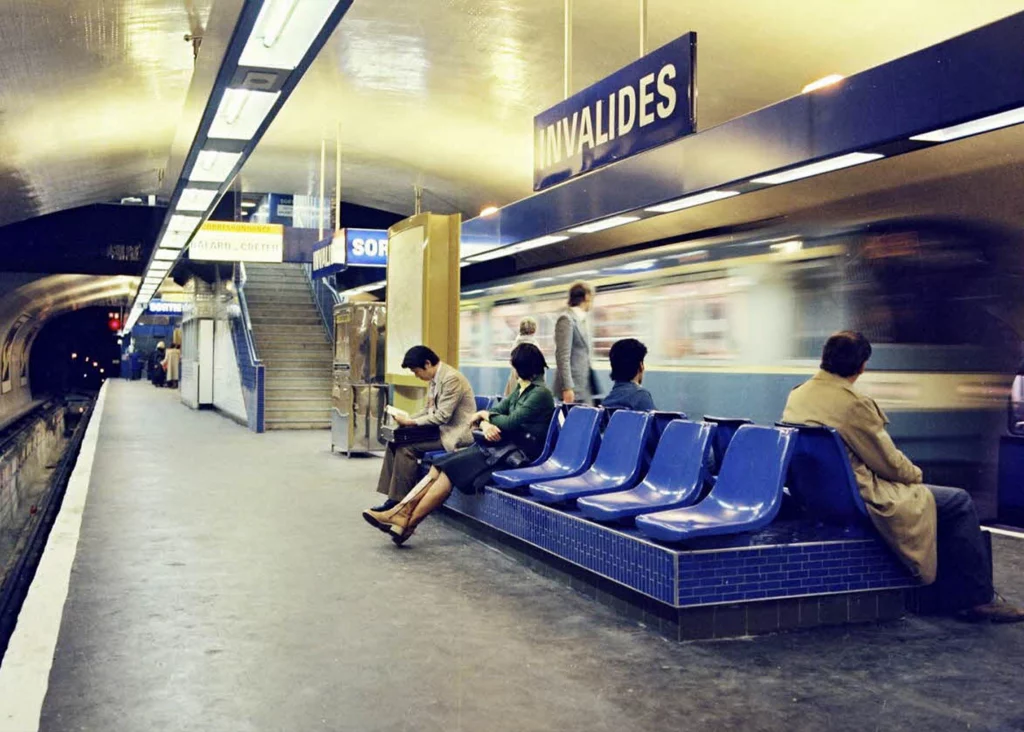
On the other hand, he transformed the daily lives of the French through his work for the Paris Metro. Rolled out between 1973 and 1983, the famous “Motte Style” combined beveled white tiles, lighting fixtures, and the iconic brightly colored shell seats to humanize and bring rhythm to the journeys of millions of travelers.
The Birth of an Institutional Table
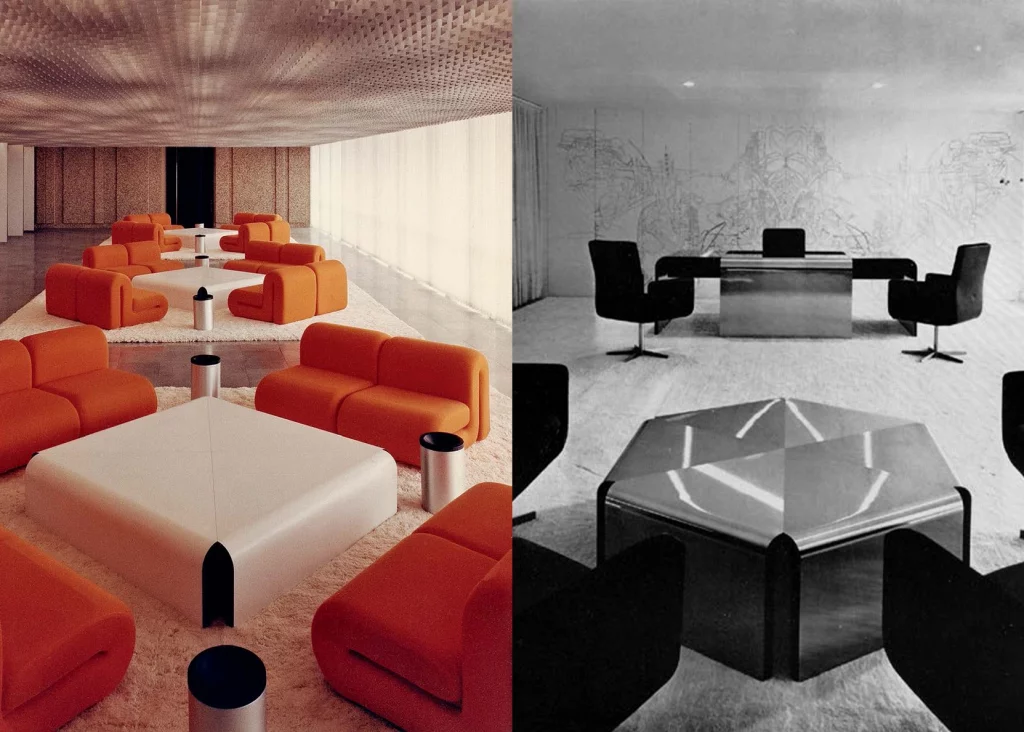
It was within this context of major State commissions that, in 1967, the Mobilier National entrusted Joseph-André Motte with the design of a set of institutional furniture. The objective was clear: to create a sober, demanding modernity designed to endure over the long term of institutions.
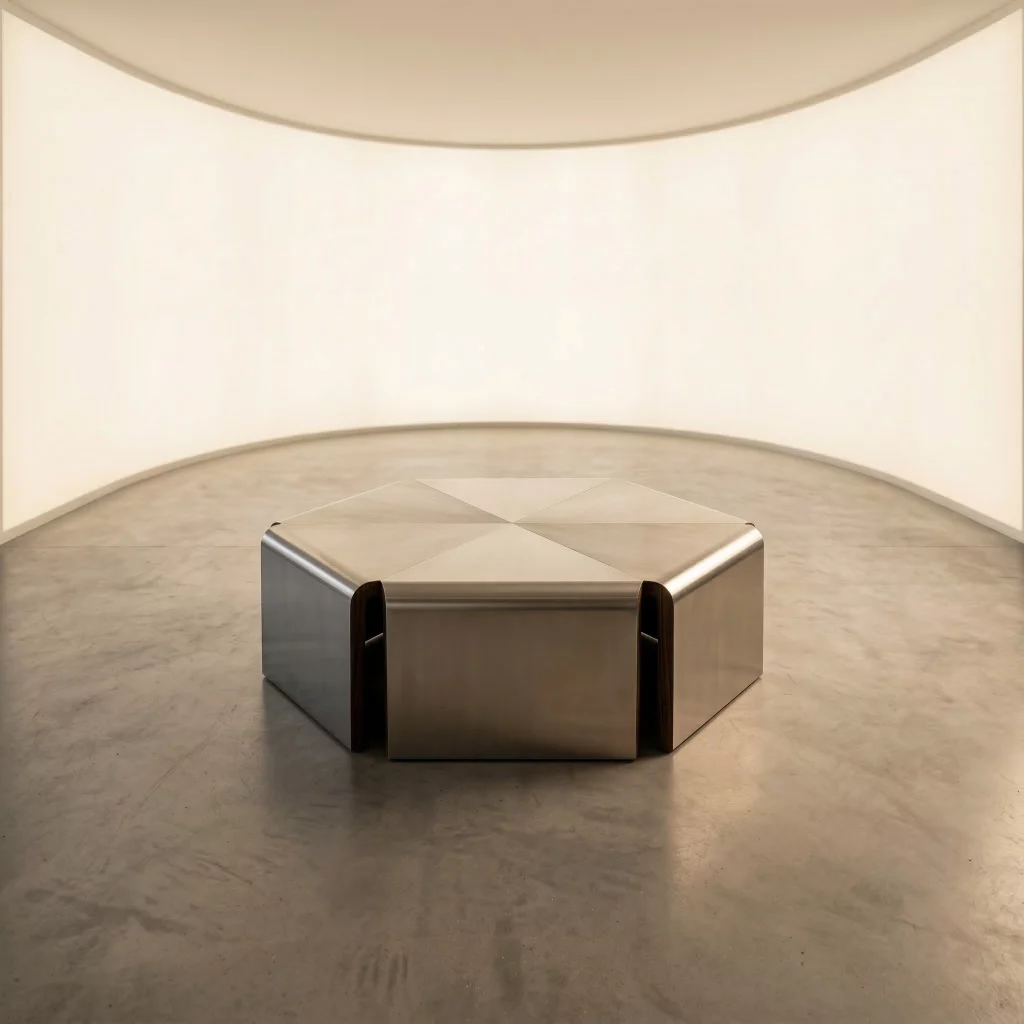
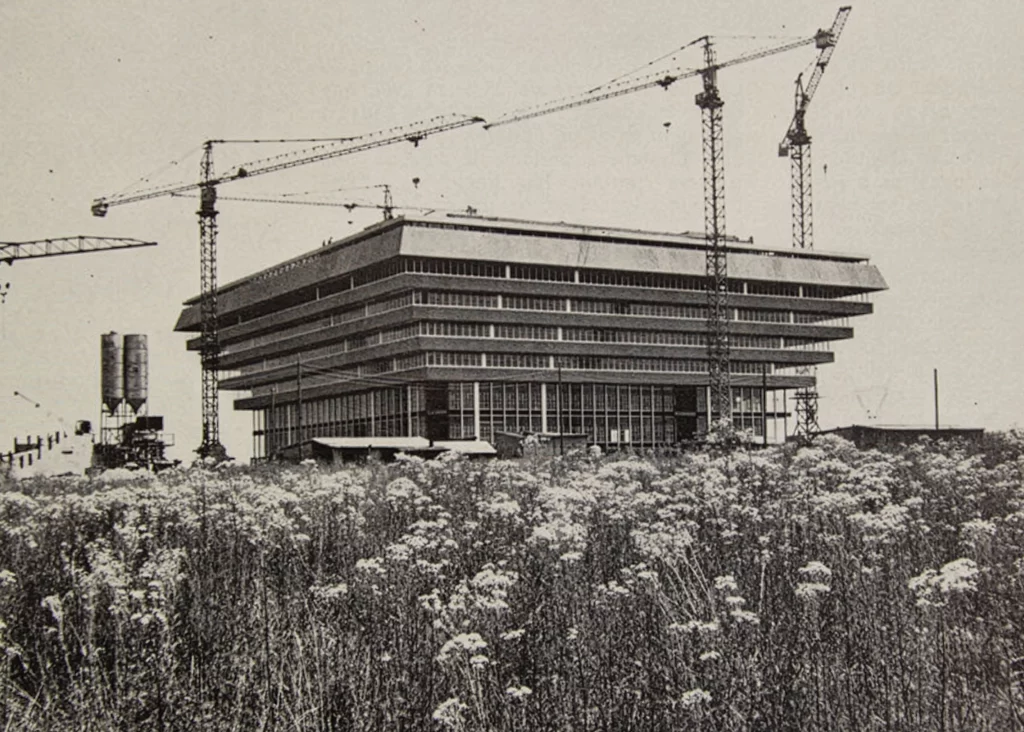
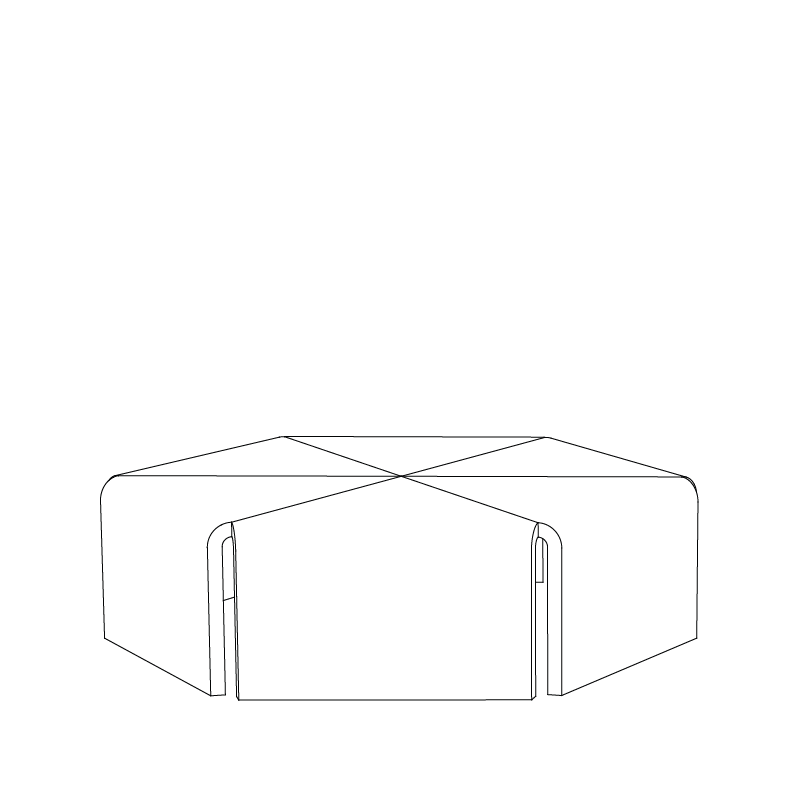
From this commission was born a hexagonal table of rare formal rigor, inventoried under the name GMC 26. As early as 1968, this furniture set was installed in the offices of the Prefect of Val-d’Oise, in Cergy-Pontoise. This manifesto building, designed by architect Henry Bernard in the shape of an “inverted pyramid,” housed Motte’s table in the Prefect’s private office. For nearly sixty years, this table has circulated among the palaces of the Republic and is currently located in the private apartments of the Presidency of the National Assembly at the Hôtel de Lassay.
ASSOCIATED PRODUCT
By browsing this website, you accept the use of cookies for the purpose of producing visit statistics.
I agree
We also speak English
Because it looks like you are not in France, discover our website in English:
Tell us about yourself to download the document.